Warden Hill
The hill itself is the highest point in the immediate area and the easiest way to orient a job. If you are on the hill side of the estate, we know your roof takes more weather and we plan accordingly.

Spray foam removal in Warden Hill Gloucestershire is the trade we have built this business on since 2021. Warden Hill is a hillside estate of mostly 1930s to 1970s semi-detached housing, and a large share of those lofts were spray-foamed between 2010 and 2018 under the old Green Deal push. Now those homeowners are selling, remortgaging or finding damp patches on the ceiling, and the foam has to come out. We cover Warden Hill Road, Salisbury Avenue, Farm Lane and Kidnapper's Lane, plus the streets running down towards Prestbury Road and the GL51 3 and GL51 5 postcodes. Most lofts we open up here have open cell spray foam sprayed straight onto the felt, which seals the roof and traps condensation in the rafters. Our crews use dry ice blasting machines and thermal removal tools to take the foam off without gouging the timber, then run a boroscope along the eaves to check for rot. If you have been searching for spray foam removal near Warden Hill and want a straight answer on cost, we will tell you on the phone what your loft is likely to need.
Every job we quote in Warden Hill starts with the same question: is the foam open cell or closed cell, and how far has it spread? Open cell comes off rafters quickly with dry ice blasting. Closed cell is denser and needs more time, sometimes a thermal removal pass and sand blasting equipment on stubborn patches. If you have been hunting for spray foam removal near me in Warden Hill, ring us and we will talk you through what your loft is likely to need before we book anything in.
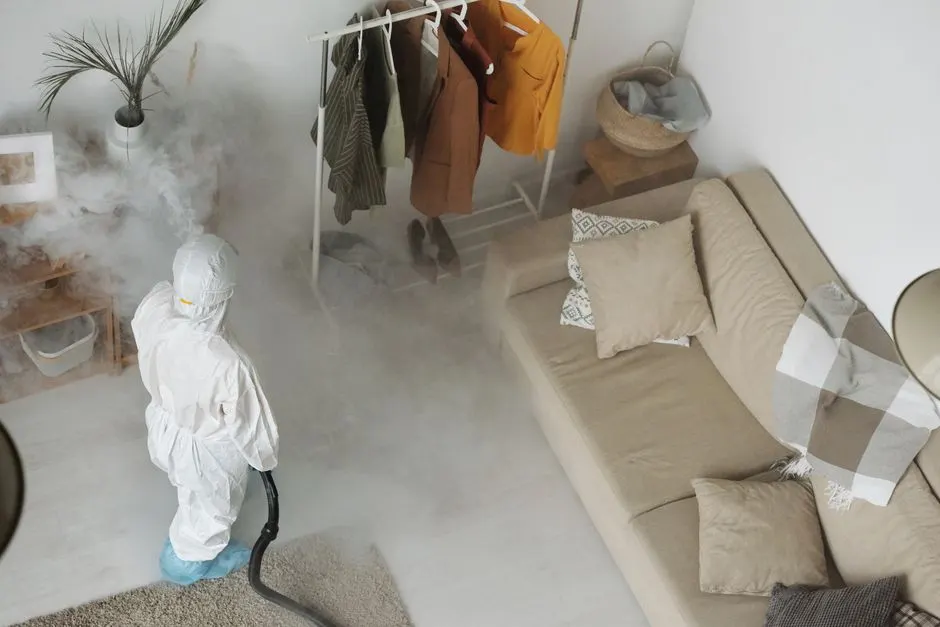





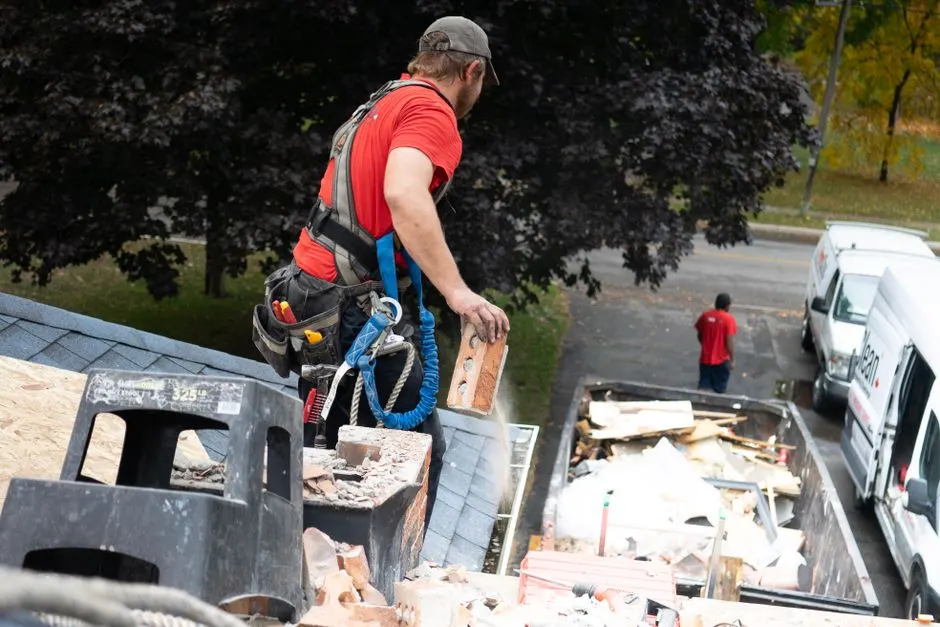




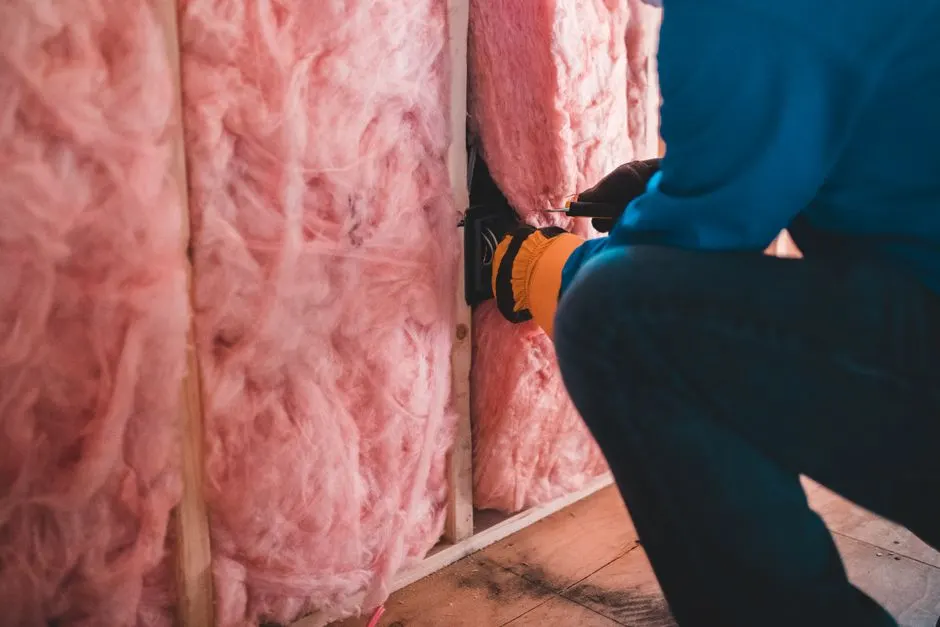


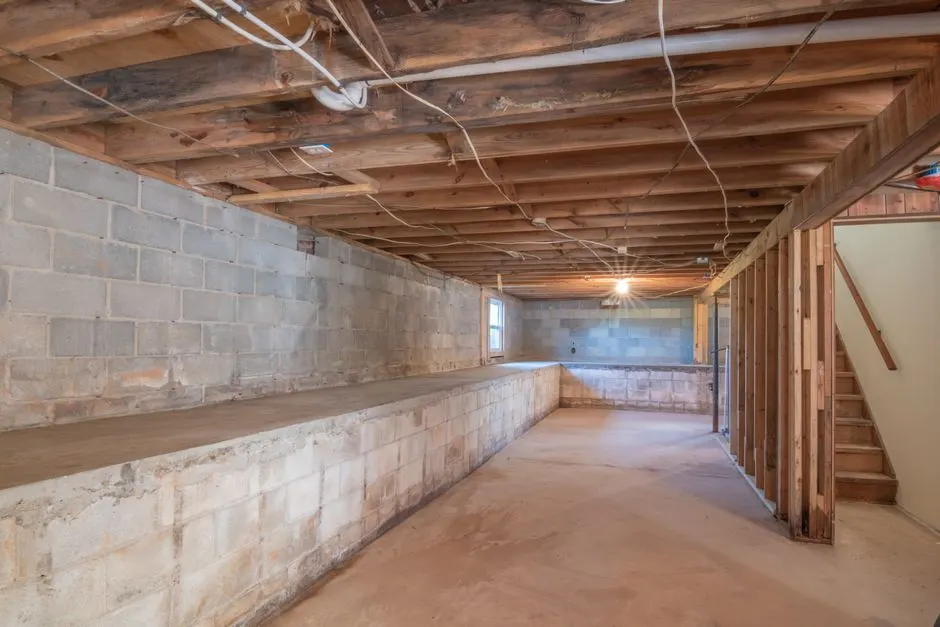



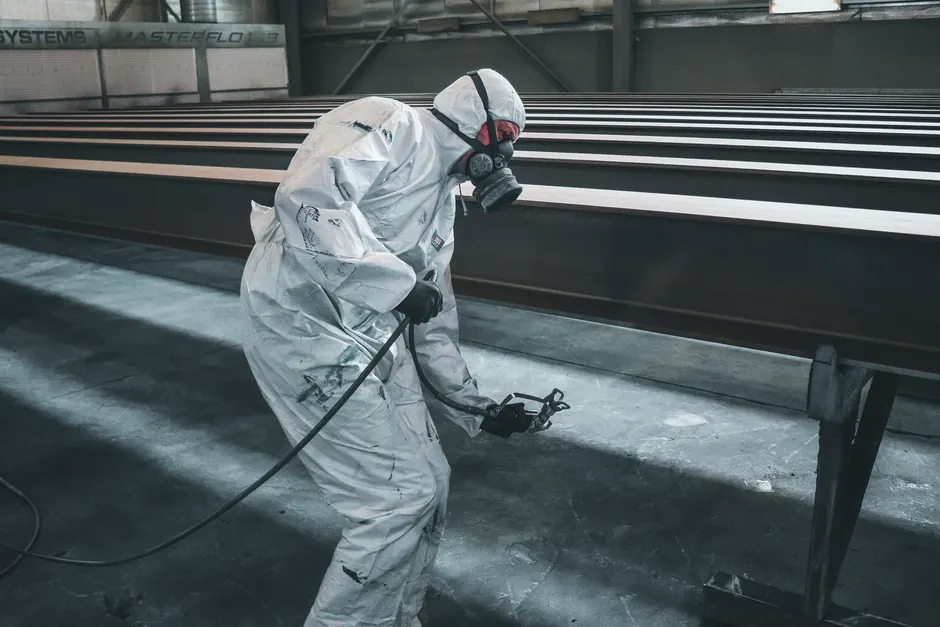
The problems we see in Warden Hill come down to three things: the age of the housing, the way foam was applied in the 2010s, and the wet Gloucestershire climate. Most of the estate was built with open eaves and cross ventilation, and foam sealed that off. Add a hillside position that takes more rain and wind than the town centre, and you get condensation, rot and mortgage refusals. Here are the four issues we deal with most.
Foam sprayed directly onto felt blocks the roof's ventilation path. Warm, moist air from the house rises into the loft, hits the cold felt and condenses. Because the foam is waterproof, that moisture cannot dry out, so it sits against the timber year after year.
Once moisture is trapped against timber for long enough, rot sets in. Warden Hill's older houses, particularly the pre-war properties off Kidnapper's Lane, have rougher timber that soaks up water more readily. Rot often starts at the eaves where ventilation was blocked first.
Most lenders treat spray foam on roof felt as a defect because it hides the roof structure and traps moisture. Surveyors flag it, lenders refuse, and the sale or remortgage stalls. This is now the single most common reason Warden Hill homeowners call us.
Foam often extends right into the eaves, sealing the vents that are supposed to let air move through the roof space. Without that airflow, condensation builds up even after the foam is removed if the vents are not cleared at the same time.
Foam does not always announce itself. Most Warden Hill homeowners only find out there is a problem when a surveyor flags it, or when damp starts showing on a ceiling. These are the signs we see most often, and any one of them is worth a survey. If you have been searching for spray foam removal near me in Warden Hill, start with the list below and ring us if two or more apply.
Damp or staining on an upstairs ceiling
Foam sprayed onto felt seals the roof, so condensation has nowhere to escape and eventually finds a path through the plasterboard. A brown stain or a cold, damp patch on an upstairs ceiling usually means moisture is trapped above it. This is worth investigating quickly, before the timber starts to rot.
A mortgage surveyor has flagged the foam
Most high street lenders will not lend on a property with spray foam applied directly to the roof felt. If your surveyor has flagged it, you usually need it removed and documented before the lender will proceed. We deal with this regularly in Warden Hill and can work to a completion deadline.
A musty smell in the loft or landing
A persistent musty smell that gets stronger in wet weather is a classic sign of trapped moisture behind foam. It often means the felt or the rafters are damp. Left alone, that smell turns into timber rot, which is a much bigger and more expensive problem.
Condensation on the loft hatch or roof timbers
If you open the loft hatch and see water droplets on the timbers or the underside of the felt, the roof is not ventilating. Foam is usually the cause. This is the stage where removal is cheapest, before the damp has had years to work into the structure.
You are planning a loft conversion or re-insulation
You cannot safely convert or re-insulate a loft with foam stuck to the rafters. Building control will want it gone, and any new insulation needs a clean, dry surface to work against. Removing the foam first saves you money on the conversion later.
Warden Hill is a compact estate on a hillside, and we use the main landmarks to navigate quickly. Warden Hill itself is the high ground the estate is named after, and the roads fall away from it towards Prestbury Road and the racecourse side of Cheltenham. If you can tell us which landmark you are nearest, we will know which crew to send and how long it will take to get to you.
The hill itself is the highest point in the immediate area and the easiest way to orient a job. If you are on the hill side of the estate, we know your roof takes more weather and we plan accordingly.
A useful reference point for the residential streets around it. Jobs near the school are best scheduled outside drop-off and pick-up times, so we usually book a 9.30am or later arrival.
The racecourse sits to the north and is a clear marker for the Prestbury Road side of the estate. If your postcode is on that side, we know the route in and the parking restrictions on race days.
The main road running along the northern edge of Warden Hill. We use it as the boundary for the GL51 3 and GL51 5 postcodes and as the quickest route between jobs on opposite sides of the estate.
ZIP coverage on request — call to confirm.
Warden Hill sits on high ground and takes the weather that comes with it. Demand for spray foam removal here follows a clear pattern through the year, and the season you book in affects how quickly we can work and what we find in the loft. If you are planning a removal, autumn and winter are the busiest months, so it pays to book early.
Spring is when damp patches that built up over winter start to show on ceilings. It is also when buyers start viewing houses, so mortgage-driven removal enquiries pick up. Lofts are usually dry enough by late March for removal work to run smoothly.
Tip: If you noticed a damp patch over winter, book a survey in early spring before the timber has another wet season to deal with. It is the cheapest time to catch it.
Summer is the easiest time to work in a Warden Hill loft: dry timbers, good ventilation and no rain delays. It is also the quietest period for emergency call-outs, so surveys and removals can usually be booked within a few days.
Tip: If you are selling in the autumn, get the foam removed over summer. It gives you time to deal with any rot or felt repairs the survey uncovers without holding up your sale.
Demand climbs sharply from October as the wet weather returns and condensation starts showing again. Mortgage-driven jobs also pick up as buyers try to complete before Christmas. Our schedule fills up fastest in November.
Tip: Book your survey as early in the autumn as you can. If you have a lender deadline, tell us the date on the first call so we can prioritise the job.
Winter is when trapped moisture causes the most visible damage: damp ceilings, musty smells and, in bad cases, water finding its way through failed felt. Cold snaps also make lofts uncomfortable to work in, so jobs can take slightly longer.
Tip: If water is coming in, ring us straight away rather than waiting for spring. We run emergency call-outs through the winter for Warden Hill and the surrounding GL51 postcodes.
Warden Hill sits on the eastern edge of Cheltenham, and we run crews across the whole town and the surrounding villages. If you are just outside the estate, we almost certainly cover you. These are the nearby areas we work in most often alongside Warden Hill.
(City)
About two miles south-west of Warden Hill, with a similar mix of older housing. We regularly move between Montpellier and Warden Hill jobs on the same day.
View Montpellier(City)
Roughly two and a half miles west, on the other side of the town centre. Larger period properties with more complex roof structures, so surveys take a little longer.
View Lansdown(City)
About two miles north-west. Similar era housing to Warden Hill, and the same mortgage-driven foam removal pattern shows up here.
View Pittville(City)
Around three miles south-east. We cover Charlton Kings on the same schedule as Warden Hill, usually with a slightly longer travel window.
View Charlton Kings(City)
About three miles south-west. Mostly larger family homes, and we see a lot of loft conversions with foam sprayed in afterwards.
View Leckhampton(City)
Roughly two miles south. A short run from Warden Hill, and one of the areas we can usually reach same day if you ring before mid-morning.
View BenhallReal answers from our team for the questions we hear most often before a job starts.
If your loft has spray foam and you need it gone, ring us on 01242 375143. We cover every Warden Hill street, from Warden Hill Road to Kidnapper's Lane, and we answer the phone 24 hours a day. You get a free survey, a fixed price and a removal certificate your lender will accept. Most Warden Hill jobs are surveyed within 48 hours and completed within a week. If you have a completion date, tell us on the call and we will work to it.
Call us on 01242375143 or email info@sprayfoamheritagehomes.com and we will arrange a free survey at your Cheltenham property. Our phone line is answered 24/7, and we aim to book surveys within 48 hours across Gloucestershire. If you have photos of the foam, send them over and we can often give you an initial view before we visit.
Phone
01242375143Address
15-21 Clarence Street, Cheltenham, GL50 3JL, UK, Cheltenham, Gloucestershire
Hours
Mon–Fri: 7AM – 7PM
Sat: 8AM – 4PM
Sun: Emergency Only
24/7 Emergency Available