Leckhampton Hill
Leckhampton Hill is the high ground above the village and a useful reference point for the hillside streets. We use it to orientate when heading to properties on the upper roads, particularly where postcodes overlap.
Spray foam removal in Leckhampton Gloucestershire is a specialist job, not a general building task. We are Spray Foam Heritage Homes, based in Cheltenham, and Leckhampton is one of our core patches. Most of the foam we take out here was pumped into lofts between 2010 and 2018 under a government-backed scheme, and it is now causing problems at sale, remortgage or when a roofer needs to get at the felt. Closed cell foam is the worst offender because it sets like rigid plastic and blocks roof ventilation, trapping moisture against the rafters. Open cell foam is softer but still hides leaks and stops you seeing a slipped tile until the timber has gone soft. We handle both, plus cavity wall foam, using dry ice blasting and thermal removal tools rather than ripping boards off. Whether you are in a terraced house near Church Road or a detached property up towards Leckhampton Hill, we survey first with a boroscope and thermal imaging camera, then quote a fixed price before we start.
If you have been searching for spray foam removal near me in Leckhampton, this is the full list of what we run out of our Cheltenham base. Most Leckhampton jobs are loft or attic foam in 1930s semis and older Cotswold stone cottages, but we also take on cavity wall foam, commercial units and full insulation assessments. Every job starts with a survey and a fixed price.









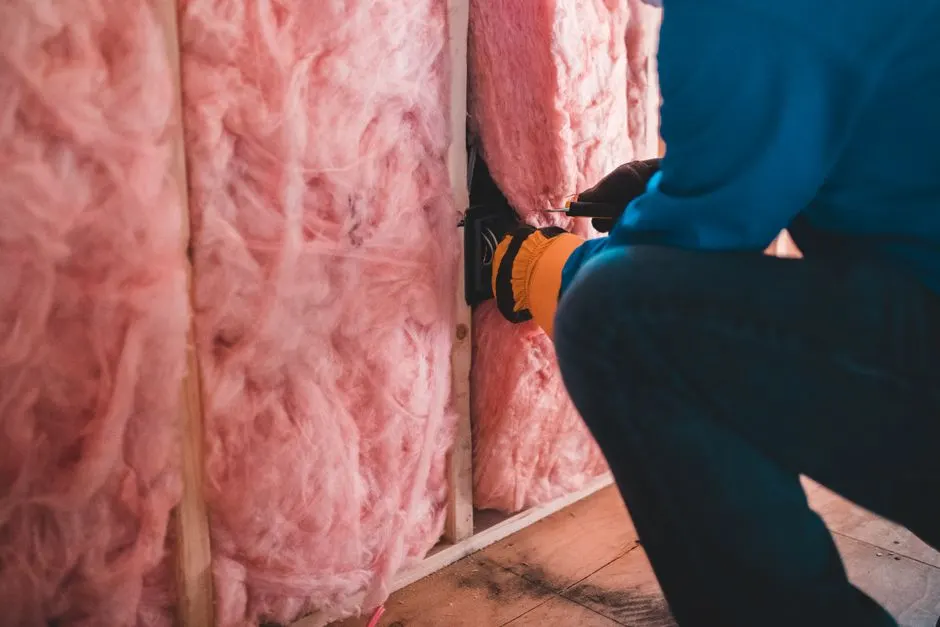


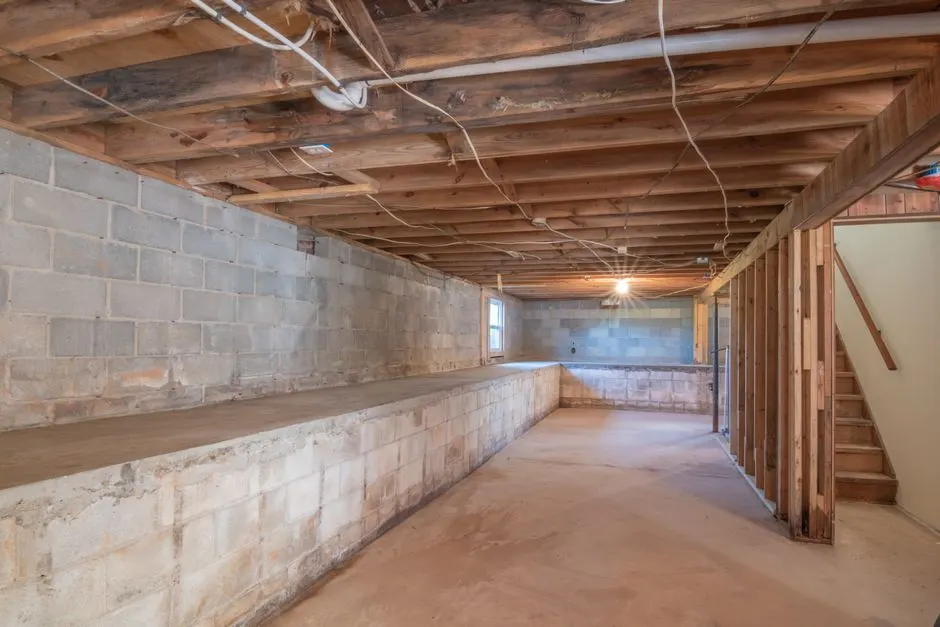
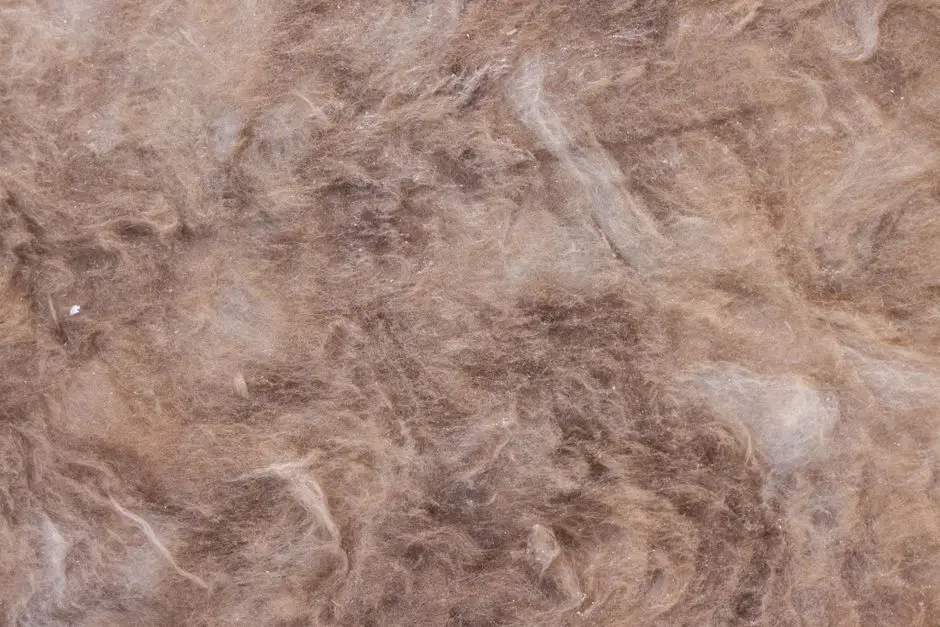


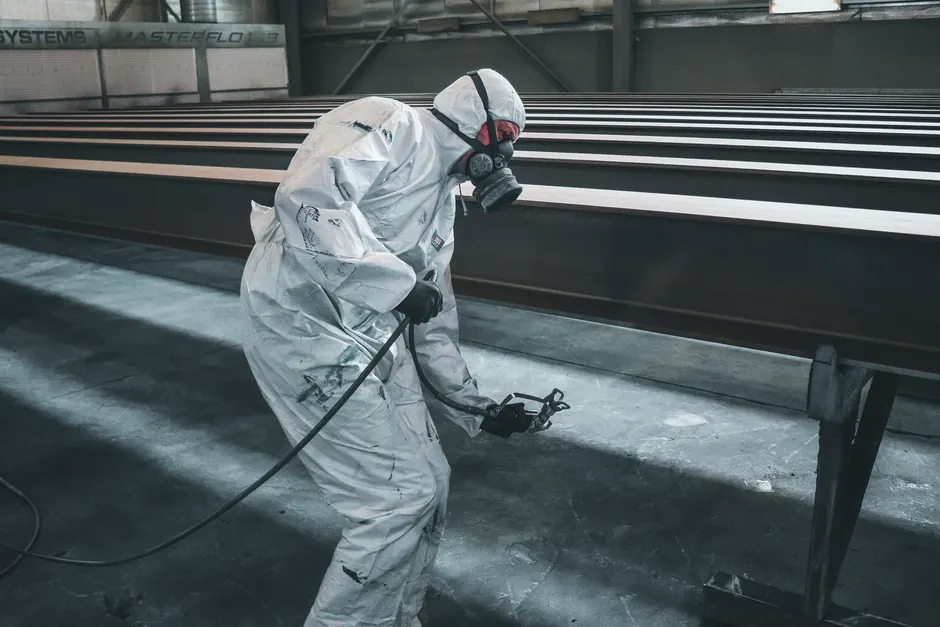
Leckhampton has a particular mix of older housing stock, exposed hillside positions and a lot of foam installed under earlier insulation schemes. That combination produces a predictable set of problems, and we see the same issues come up again and again. Knowing what to look for can save you a lot of money and stress.
Closed cell foam sets rigid and seals the gaps between rafters, so air cannot move through the roof space. On Leckhampton hillside properties the roof is already exposed to wind-driven rain, and without ventilation the moisture has nowhere to go.
Foam holds moisture against the rafters, and in older Leckhampton lofts the timber may already be damp from a slow leak or condensation. Once rot sets in, it weakens the roof structure and can spread to the ceiling joists.
Lenders and surveyors treat spray foam as a risk because it can hide structural defects and block ventilation. In Leckhampton this often comes up during a sale or remortgage, when the surveyor flags the foam and the lender withholds funds.
Open cell foam is soft and absorbent, so it can soak up water from a slow leak and hold it against the timber. You may not notice until the ceiling below starts to stain. This is common in older Leckhampton terraces where the roof felt has perished.
Most people in Leckhampton only think about spray foam removal when a surveyor or lender raises it, but there are earlier signs worth acting on. If you have noticed any of the following, it is worth booking an insulation assessment before the problem gets worse. The sooner the foam comes out, the less chance there is of timber rot or a failed mortgage application.
Damp patches on ceilings below the loft
This usually means the foam has blocked roof ventilation and condensation is forming on the cold rafters. Left alone, the moisture will soak into the timber and eventually cause rot. It is worth investigating before the ceiling stains spread.
A surveyor or lender has flagged the foam
Mortgage lenders often refuse to lend on properties with spray foam in the roof because it can hide structural problems and block ventilation. You will usually need a completion certificate after removal before the lender will proceed. This is the most common trigger for a Leckhampton removal job.
Condensation or mould in the loft space
If the loft feels damp and you can see mould on the rafters or the underside of the roof, the foam is likely trapping moisture. This is common on the hillside properties near Leckhampton Hill, where the roof is exposed to driving rain. Ventilation needs restoring quickly.
You can see foam covering the rafters or roof felt
If the foam has been sprayed across the whole roof slope, it is almost certainly blocking the ventilation path. Even if there is no damp yet, it will cause problems at sale or remortgage. An assessment will tell you whether it needs to come out.
A roofer cannot access the roof for repairs
Foam sprayed over the roof structure makes it hard for a roofer to inspect or replace felt and tiles. If you have a slipped tile or a leak that needs fixing, the foam may have to come out first. We can remove it in sections to give the roofer access.
Leckhampton is easy for us to navigate because we work here most weeks. We use Leckhampton Hill as our main reference point for the hillside streets, and the Bath Road as the spine that links the lower part of the area to Cheltenham town centre. Naunton Park and Leckhampton Church are useful markers when we are directing a second van or meeting a customer on site. If you are booking a survey, we will give you a rough arrival window and text when we are on the way.
Leckhampton Hill is the high ground above the village and a useful reference point for the hillside streets. We use it to orientate when heading to properties on the upper roads, particularly where postcodes overlap.
Naunton Park sits in the middle of the residential area and is a handy meeting point for customers. Most of the surrounding streets are within a few minutes of the park, which makes it easy to plan a run of jobs in one visit.
Leckhampton Church, St Peter's, is on Church Road and is one of the easiest landmarks to give a customer or a second van. The surrounding lanes are narrow, so we often park nearby and walk the equipment in.
The Bath Road is the main route in and out of Leckhampton towards Cheltenham. We use it as our primary access route, and it helps us judge traffic before we set off for a job.
ZIP coverage on request — call to confirm.
Leckhampton sits on the edge of the Cotswolds, so it gets its share of wet weather and cold winters. That shapes when people call us and what we find when we arrive. Autumn and winter are the busiest months for damp-related problems, while spring and summer are when most people book removals ahead of a sale or conversion.
Spring is a popular time for pre-sale removals in Leckhampton, as buyers start viewing properties and surveyors flag foam in lofts. Damp patches from winter may still be visible on ceilings, and timbers can take a while to dry out.
Tip: If you are planning to sell, book a survey in early spring so any removal work is done before viewings start. It gives you time to get the completion certificate before a buyer's lender asks for it.
Summer is the easiest time to work in a loft, with warmer temperatures and longer daylight hours. It is also when we get bookings from people planning loft conversions or roof repairs who need the foam out first.
Tip: Book early if you want a summer slot, as this is our busiest period for planned removals. If you are having a loft converted, get the foam removed before the builder starts to avoid delays.
Autumn rain and falling temperatures bring condensation problems to the surface, especially on the hillside properties near Leckhampton Hill. Damp patches and musty smells in the loft become more noticeable as the weather turns.
Tip: Check your loft for signs of damp before winter sets in. If you see mould or condensation on the rafters, book an assessment so the ventilation can be restored before the cold weather makes it worse.
Winter is when trapped moisture causes the most damage, because cold rafters and warm loft air create heavy condensation. Active leaks after storms are also more common, and we take emergency calls for water coming through ceilings.
Tip: If you have an active leak, call us straight away so we can help you limit the damage. For non-urgent foam removal, winter is a good time to book because our diary is quieter than spring and summer.
Leckhampton sits on the south side of Cheltenham, and we cover the surrounding areas as part of the same service round. If you are in one of the neighbouring districts, we can usually book you into the same week as a Leckhampton job, which keeps the travel cost down.
(City)
Montpellier is around 2 miles north of Leckhampton, close to the town centre. We often pair a Leckhampton job with a Montpellier call-out on the same day.
View Montpellier(City)
Lansdown is roughly 2.5 miles from Leckhampton, on the north side of Cheltenham. Customers there tend to have larger period properties with similar foam problems.
View Lansdown(City)
Pittville is about 3 miles from Leckhampton. It is a regular part of our Cheltenham round, and we can usually survey both areas in the same week.
View Pittville(City)
Charlton Kings borders Leckhampton to the east, only a mile or so away. We work across both areas constantly and often combine jobs to save on travel.
View Charlton Kings(City)
Benhall is around 1.5 miles from Leckhampton, just north of the A40. It is a quick add-on to a Leckhampton day and shares the same housing stock profile.
View Benhall(City)
Hatherley is roughly 2 miles west of Leckhampton. We cover it as part of the same south Cheltenham service area, usually within a day or two of a Leckhampton booking.
View HatherleyReal answers from our team for the questions we hear most often before a job starts.
If your lender, surveyor or buyer has flagged the foam in your loft, we can survey it, quote it and remove it without the drama. We have worked Leckhampton since 2021, we hold CHAS and SafeContractor accreditation, and we carry £2M public liability cover. Call us on 01242 375143 and we will book you in, usually within the same week. Same day slots are available for urgent lender deadlines.
Call us on 01242375143 or email info@sprayfoamheritagehomes.com and we will arrange a free survey at your Cheltenham property. Our phone line is answered 24/7, and we aim to book surveys within 48 hours across Gloucestershire. If you have photos of the foam, send them over and we can often give you an initial view before we visit.
Phone
01242375143Address
15-21 Clarence Street, Cheltenham, GL50 3JL, UK, Cheltenham, Gloucestershire
Hours
Mon–Fri: 7AM – 7PM
Sat: 8AM – 4PM
Sun: Emergency Only
24/7 Emergency Available