St Paul's Church
St Paul's Church is the central reference point for the surrounding streets. We use it to orient surveys on St Paul's Road and the terraces running off it, since several nearby addresses share similar postcodes.

Spray foam removal in St Paul's Gloucestershire is a specialist job, and it is not the same as pulling out old mineral wool. The foam used in lofts across St Paul's is usually open cell spray foam or closed cell spray foam, and both bond hard to the underside of roof tiles, rafters and timber battens. Cut it badly and you take the felt with it. We have worked the streets between Bath Road and Tivoli Road since 2021, so we know how these Victorian terraces are put together, where the roof ventilation blockage usually sits, and how quickly trapped moisture turns into timber rot. Our technicians carry a boroscope and a moisture meter on every survey, so you get a straight answer about what is behind the plasterboard before anyone starts cutting. We handle residential and commercial spray foam insulation removal St Paul's wide, including student lets, HMOs and the small warehouse units off the Bath Road corridor. If you want the best spray foam removal St Paul's has access to, start with a free assessment.
Every job in St Paul's starts with an insulation assessment, because the right removal method depends on whether you have open cell spray foam, closed cell spray foam or a mix of both. If you have been searching spray foam removal near me in St Paul's and getting vague answers, we will tell you on the first visit what the foam is doing to your roof, what it will cost to take out, and how long the loft will be out of action. Most St Paul's lofts take one to two days.
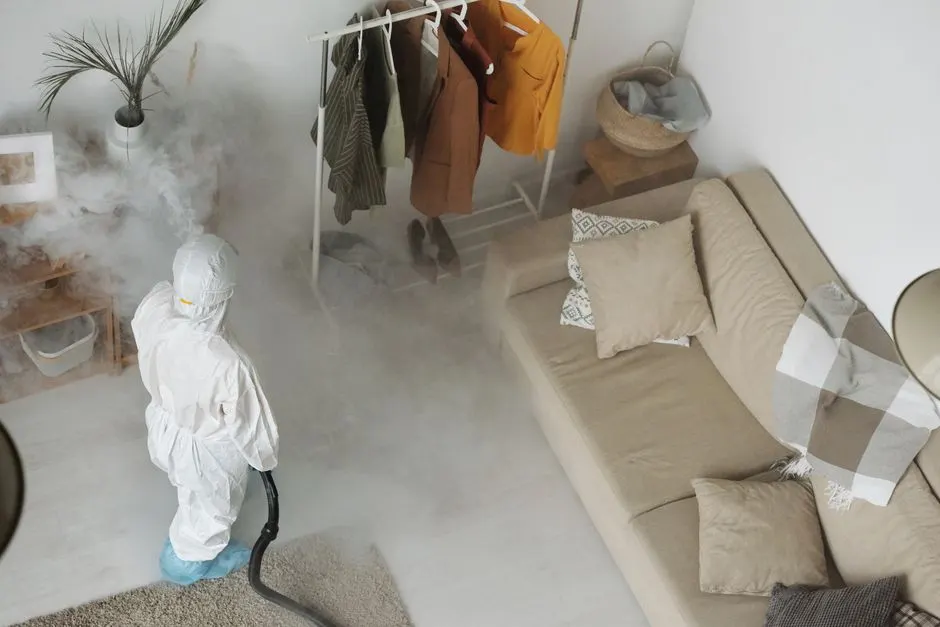











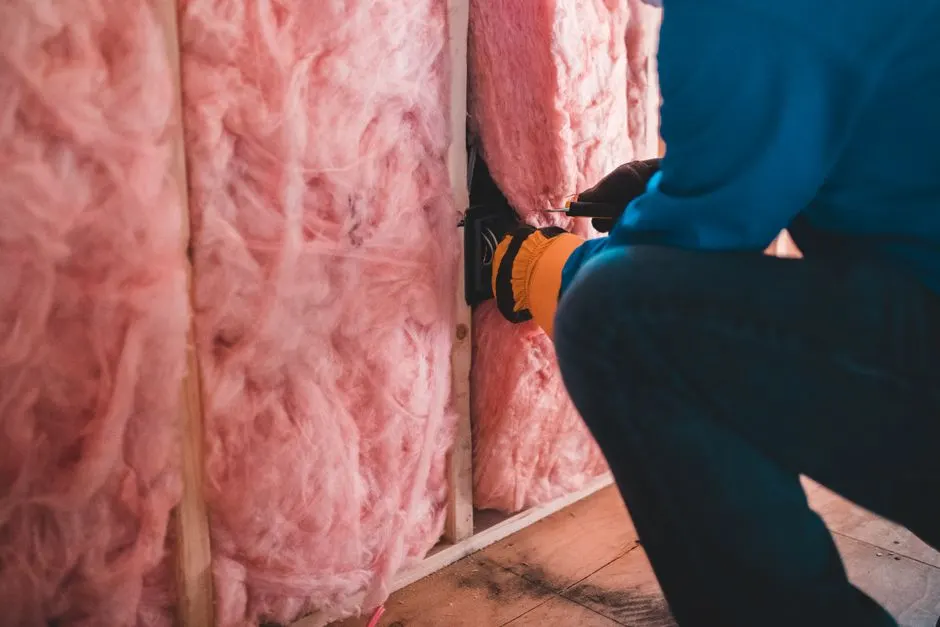


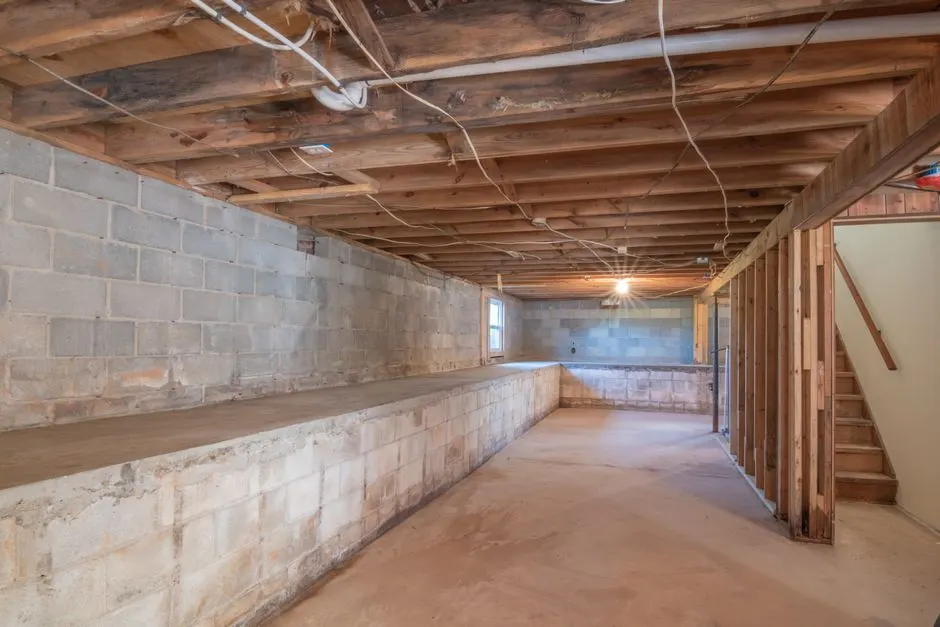



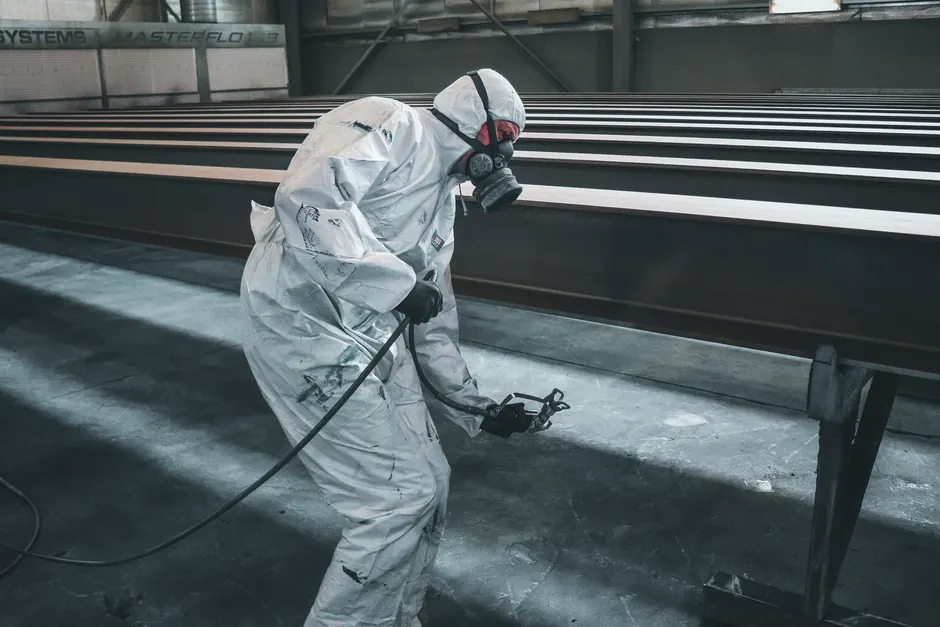
St Paul's has a particular mix of old roofs, shallow pitches and a lot of foam installed under now-closed grant schemes. That combination drives the same four problems through our diary year after year. Knowing which one you have matters, because the removal method and the cost both change with it.
Foam sprayed between rafters seals the gap at the eaves, which is the only way these shallow Victorian roofs breathe. Warm damp air from the house rises into the loft, hits the cold felt and condenses, and the rafters stay wet for months at a time.
Lenders and surveyors treat spray foam as a hidden risk because it conceals the timber and blocks airflow. In a fast-moving market like St Paul's, a refused valuation can cost a buyer the property, so the foam has to come out quickly and be documented properly.
The eaves gap on these terraces is narrow to begin with, and foam sprayed to the edge of the roof seals it completely. Without airflow, the loft stays humid and the felt stays wet, which is the root cause of most of the damp we see in St Paul's.
Foam and insulation boards hide the roof covering from view, so a small leak in the felt or around a chimney can go unnoticed for years. By the time it shows on a ceiling, the water has been tracking along rafters and soaking the timber.
Foam does not usually announce itself with a dramatic failure. It works quietly, holding moisture against the roof timbers until something gives. If you are searching spray foam removal near me in St Paul's, these are the triggers we hear most often, and each one is a reason to get the loft looked at before the damage spreads.
Damp patches on upstairs ceilings
Foam that has sealed the eaves stops the roof space from breathing, so condensation forms on the underside of the felt and eventually tracks down onto the ceiling below. By the time you see the patch, the timber behind it has usually been wet for months.
A surveyor or lender flags the foam
Mortgage lenders treat spray foam under a roof covering as a risk because it hides the timber and blocks ventilation. If a valuation has been refused or put on hold, removal is usually the fastest route to getting the lending back on track.
Foam is cracking or pulling away
Older foam goes brittle and starts to separate from the rafters. Once it cracks, it stops insulating properly and can drop onto the loft floor. It is also a sign the bond has failed, which can make removal easier than expected.
A musty smell in the loft or landing
That smell is damp timber and stagnant air. In St Paul's terraces the loft hatch often sits over the landing, so the smell drifts into the house. A moisture meter reading above 20 percent at the rafters means the roof needs to dry out.
Condensation on roof felt or tiles
If you can see water beading on the felt from inside the loft, the ventilation path is blocked. Left alone, that moisture rots the battens and rafters and can eventually reach the plasterboard. It needs removing before the next cold spell.
St Paul's is easy to navigate once you know it, and we use the local landmarks as our reference points when we are planning a day's work. St Paul's Church is the obvious anchor at the centre of the area, and Sandford Park gives us a clear boundary on the southern side. Cheltenham College sits just to the east, which helps us split the student-let work from the family homes. When we book a survey we ask for the nearest landmark rather than a postcode, because half the terraces here share an entrance and a postcode.
St Paul's Church is the central reference point for the surrounding streets. We use it to orient surveys on St Paul's Road and the terraces running off it, since several nearby addresses share similar postcodes.
Cheltenham College sits on the eastern edge of the area and marks the boundary between the student-let streets and the family terraces. It helps us route between College Road jobs and the Bath Road corridor.
Sandford Park forms the southern boundary of St Paul's. It is a useful navigation marker for the streets towards Bath Road and for planning parking when a property has no driveway.
Bath Road is the main arterial route through the area. We use it as the spine for scheduling, since most St Paul's jobs sit within a few minutes of it and it keeps travel time between properties short.
ZIP coverage on request — call to confirm.
St Paul's sits in a sheltered part of Cheltenham, but the seasons still shape when foam problems show up and when it is best to deal with them. Autumn and winter are when damp becomes visible inside the house. Spring and summer are when we can get the roof space dried out properly. If you are weighing up the cost of spray foam removal in St Paul's Gloucestershire, timing can affect how much remedial timber work is needed.
Spring is when the loft starts to dry out after winter, and it is the best time to remove foam because the timber is more stable. Damp patches that appeared over winter often look worse in March as the heating comes off and condensation patterns change.
Tip: Book a survey in spring so the roof space can dry through the summer. Removal now means any rot is caught before it spreads into the rafters.
Summer gives the longest dry spells, which is ideal for roof-level work and for letting a stripped loft dry out naturally. It is also when we do most of our warehouse and commercial strip-outs along the Bath Road corridor, scheduled around quieter trading periods.
Tip: If your loft has been damp, summer is the time to get the foam out and the vents cleared. The structure will dry faster now than at any other point in the year.
As temperatures drop, condensation returns to any loft that still has foam blocking the eaves. This is when we get the most calls about musty smells and damp patches appearing on landing ceilings. Rain-driven leaks also show up more clearly in autumn.
Tip: Get the loft checked before the cold sets in. A moisture meter reading now tells you whether the foam is causing a problem or whether you have time to plan the work.
Winter is peak season for damp and for emergency callouts. Foam that has held moisture all year can finally show through as staining, and storm-driven rain finds its way past failed felt. Our 24/7 line covers leaks and emergency strip-outs through the coldest weeks.
Tip: If water is tracking through the loft, call us straight away rather than waiting for spring. Containing the leak early stops the damage spreading to ceilings and joists.
St Paul's sits close to the centre of Cheltenham, so we cover a wide ring of neighbouring areas from the same base. If you are just outside St Paul's, we almost certainly work your street too. The same team, the same equipment and the same fixed pricing apply across the whole patch.
(City)
Montpellier is a short drive south-east of St Paul's, and we regularly pair jobs there with St Paul's work in the same day.
View Montpellier(City)
Lansdown sits just north of St Paul's and shares the same Victorian and Regency housing stock, so the foam problems are similar.
View Lansdown(City)
Pittville is a few minutes north of St Paul's, with larger period properties that often need roof-level foam removal.
View Pittville(City)
Charlton Kings is a short run east from St Paul's, and we cover loft and cavity foam removal across the area.
View Charlton Kings(City)
Leckhampton is south of St Paul's along the Bath Road side, convenient for combining surveys in one trip.
View Leckhampton(City)
Benhall sits west of St Paul's and is part of our regular Cheltenham circuit for residential foam removal.
View BenhallReal answers from our team for the questions we hear most often before a job starts.
We have been stripping foam out of St Paul's lofts since 2021, and we know what these Victorian roofs need. One call gets you a survey within 48 hours, a fixed price before any work starts, and a loft left clean, dry and ready for a proper insulation system. Whether it is a mortgage-driven strip-out on St Paul's Road or an emergency leak on College Road, we will tell you straight what the job involves. Call 01242375143 or send us the details and we will come and look.
Call us on 01242375143 or email info@sprayfoamheritagehomes.com and we will arrange a free survey at your Cheltenham property. Our phone line is answered 24/7, and we aim to book surveys within 48 hours across Gloucestershire. If you have photos of the foam, send them over and we can often give you an initial view before we visit.
Phone
01242375143Address
15-21 Clarence Street, Cheltenham, GL50 3JL, UK, Cheltenham, Gloucestershire
Hours
Mon–Fri: 7AM – 7PM
Sat: 8AM – 4PM
Sun: Emergency Only
24/7 Emergency Available