Springbank Park
A useful orientation point for jobs on the Springbank Road and Springbank Way side of the suburb. We use it to group callouts and to give customers a simple meeting reference when a property is hard to find.

Spray foam removal in Springbank Gloucestershire is a specialist job, and it is the only thing our team does. Since 2021 we have worked through the GL51 3 and GL51 0 postcodes, clearing open cell spray foam, closed cell spray foam and polyurethane foam from lofts, attics and cavity walls across this residential suburb. Springbank spray foam removal is rarely about comfort alone. Most calls come from homeowners on Springbank Way or Spring Lane whose mortgage lender has refused to lend until the foam is gone, or whose roof ventilation blockage has started to trap moisture in the rafters. We use a boroscope and moisture meter to map exactly where foam sits and where damp has already reached the timber, then remove it with dry ice blasting, thermal removal tools and an industrial vacuum so dust stays contained. Every job ends with a written report you can hand to a surveyor, plus photos of the cleared timbers before we pack up.
Every service we run is available across Springbank, from a single loft on Spring Lane to a full warehouse strip-out. If you have searched for spray foam removal near me in Springbank, the answer is that we cover the whole GL51 3 and GL51 0 area and can usually get a surveyor to you inside two working days. Below is how each service actually plays out on Springbank streets.









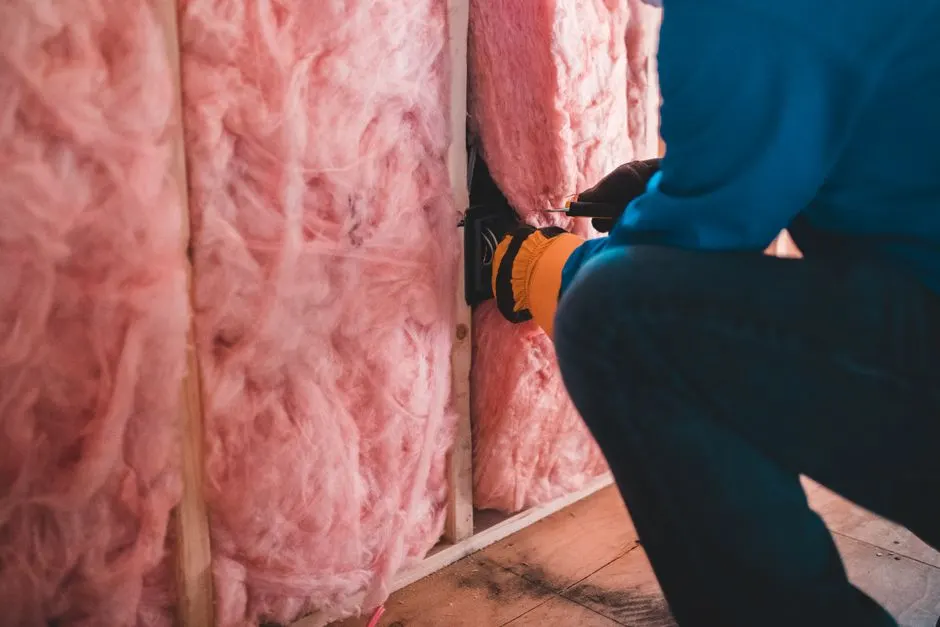


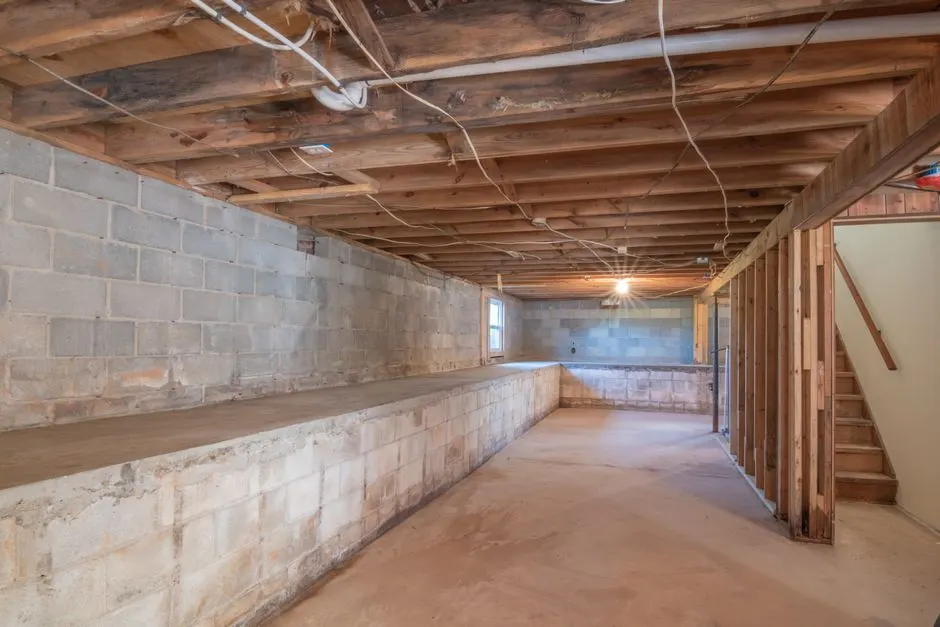



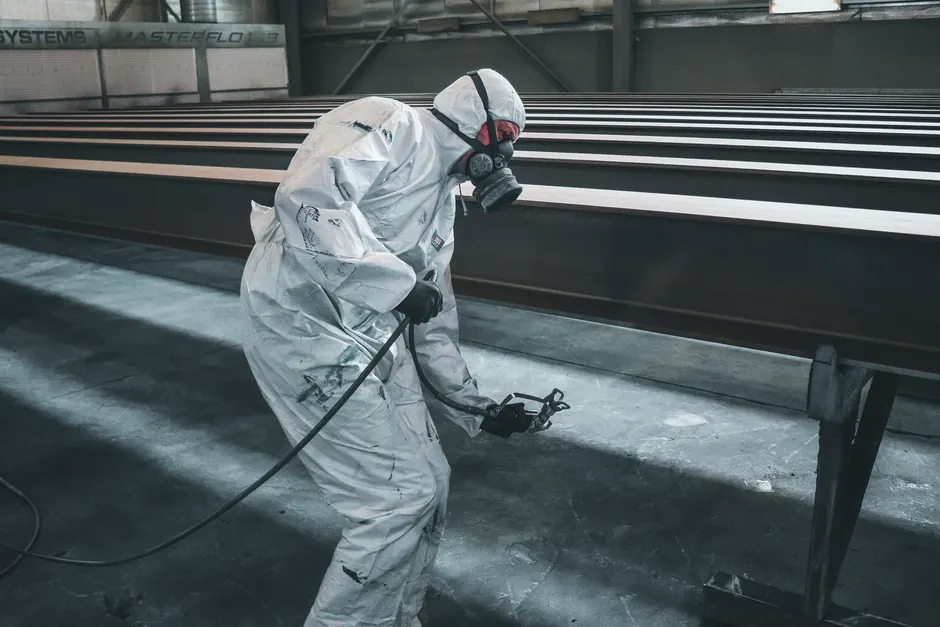
Springbank's housing stock and Gloucestershire's wet climate combine to create a predictable set of foam problems. Most homes here were built before spray foam existed, so the roof voids were designed to breathe. Foam changes that, and the consequences show up in the same ways again and again. Recognising which problem you have shapes both the removal method and the cost.
Springbank's older roofs rely on a ventilation gap between the felt and the insulation. Foam sprayed directly onto the membrane seals that gap, so condensation from a wet Gloucestershire winter has nowhere to escape and soaks into the timber.
Lenders and valuers treat spray foam as a risk because it hides the roof structure and can trap moisture. In Springbank, where many homes change hands regularly, this stalls sales and forces renegotiation at the worst possible moment.
Foam applied across the eaves and ridge blocks the airflow that a pitched roof depends on. Warm moist air from the house rises into the loft, hits a cold surface and condenses. Over time this shows up as damp patches, musty smells and peeling paint.
Open cell foam acts like a sponge. A slow leak from a tank connection or a slipped roof tile in Springbank soaks into the foam and stays there, quietly rotting the timber around it. Because the foam hides the leak, it is often found far too late.
Spray foam does not always announce itself. In Springbank, most people only find out when a surveyor, lender or buyer raises it. But there are physical signs worth checking in your own loft before it reaches that stage. If any of these look familiar, book an insulation assessment rather than waiting for a mortgage refusal to force the issue.
Damp patches on rafters or roof felt
Foam sprayed onto a roof membrane blocks the ventilation gap, so condensation forms on the cold side and soaks into the timber. Left alone, this is how timber rot starts. If the rafters feel damp to touch, get a moisture meter on them quickly.
A musty smell in the loft or upstairs rooms
Persistent damp in a roof void produces a distinctive musty smell that drifts down through ceiling gaps. It usually means trapped moisture has been sitting in the foam or timber for months. The longer it stays, the more likely rot becomes structural.
Foam visibly peeling or crumbling
Older foam can lose its bond and start to flake away from the rafters. That sounds helpful, but crumbling foam often hides damp timber underneath. It also means the insulation is failing, so you are paying to heat a roof that no longer performs.
A mortgage valuer or surveyor has flagged it
This is the most common trigger in Springbank. Lenders treat spray foam as a risk because it hides the roof structure and can trap moisture. Once flagged, the foam usually has to come out before lending completes, so it is worth acting immediately.
Condensation on windows or cold spots upstairs
Foam that has blocked roof ventilation can push moisture problems down into the living space. Condensation on upstairs windows, cold patches on ceilings or peeling paint often trace back to a roof void that cannot breathe. Removing the foam restores the airflow.
Springbank sits just south-west of Cheltenham town centre, and we use the local landmarks as our mental map. Springbank Park and Hatherley Park give us the two main green reference points, while Cheltenham Spa railway station and the University of Gloucestershire sit close enough to shape the daily traffic patterns we plan around. If you are booking a survey, tell us the nearest landmark and we will slot you into the right run of jobs for that part of GL51.
A useful orientation point for jobs on the Springbank Road and Springbank Way side of the suburb. We use it to group callouts and to give customers a simple meeting reference when a property is hard to find.
Marks the Hatherley Lane end of our coverage. Jobs near the park tend to have better driveway access, so we schedule larger equipment runs around this side of Springbank.
The main rail hub for the area and a reliable traffic marker. We plan morning runs to avoid the station approach at peak times, which keeps survey arrival windows accurate.
A second traffic reference point on the eastern approach into Springbank. Knowing when the campus is busy helps us time van movements through the GL51 3 and GL51 0 streets.
ZIP coverage on request — call to confirm.
Foam removal runs all year in Springbank, but the seasons change what we find and how we schedule the work. Autumn and winter are when trapped moisture problems surface, while spring and summer are when surveys and sales tend to drive demand. Knowing what each season brings helps you time the job around your own plans.
Damp patches from the winter become obvious as the loft warms up and the musty smell strengthens. This is also when house sales pick up, so lender-driven foam removal enquiries rise sharply across Springbank.
Tip: Book a survey now if you noticed damp over winter. Spring is the easiest time to dry timbers out after removal, and survey slots are still short.
Warm, dry loft conditions make removal and timber drying straightforward. This is our busiest period for planned jobs, and the best window for cavity wall work because the wall dries quickly afterwards.
Tip: If you are planning a sale in autumn, get the foam removed over summer. It gives you time to deal with any hidden leaks before a buyer's surveyor looks.
Rain returns and any roof-level weakness starts to show. Foam that has been trapping moisture all year becomes visibly saturated, and condensation on upstairs windows reappears. Demand for emergency surveys climbs.
Tip: Check your loft before the worst of the weather. A quick boroscope survey in early autumn catches trapped moisture before it turns into timber rot.
The wettest, coldest months put the most stress on a foam-blocked roof. Condensation peaks, and any hidden leak becomes a visible damp stain. This is when mortgage deadlines and emergency callouts cluster.
Tip: Call us if you spot a new damp patch or a musty smell. We run 24/7 cover through winter and can usually survey within 48 hours, even in the busy run-up to Christmas.
Springbank sits inside a tight cluster of Cheltenham suburbs, and we cover them all from the same base. If you are in one of the neighbouring areas and need spray foam removal, the survey, method and reporting are identical to what we deliver in Springbank itself. Here is how the surrounding towns and suburbs relate to our Springbank coverage.
(City)
About a mile and a half north-east of Springbank, with a similar mix of older housing stock and regular foam-related lender enquiries.
View Montpellier(City)
Just north of Springbank, sharing the same GL50 and GL51 postcode belt and the same pattern of loft foam removal jobs.
View Lansdown(City)
A short run north-east, with larger period properties where roof and cavity foam removal needs careful handling.
View Pittville(City)
To the east of Springbank, another residential suburb where we regularly clear foam ahead of property sales.
View Charlton Kings(City)
South of Springbank along the same corridor, with family homes and converted lofts that carry older spray foam applications.
View Leckhampton(City)
Immediately adjacent to Springbank, effectively the same coverage area, with the same access and scheduling considerations.
View BenhallReal answers from our team for the questions we hear most often before a job starts.
If a lender, surveyor or buyer has flagged the foam in your Springbank loft, do not wait for the problem to get worse. We survey within 48 hours across GL51 3 and GL51 0, quote fixed from that survey, and issue the written report your mortgage needs. Call 01242375143 or send us a message and we will get you booked in, usually the same week you call.
Call us on 01242375143 or email info@sprayfoamheritagehomes.com and we will arrange a free survey at your Cheltenham property. Our phone line is answered 24/7, and we aim to book surveys within 48 hours across Gloucestershire. If you have photos of the foam, send them over and we can often give you an initial view before we visit.
Phone
01242375143Address
15-21 Clarence Street, Cheltenham, GL50 3JL, UK, Cheltenham, Gloucestershire
Hours
Mon–Fri: 7AM – 7PM
Sat: 8AM – 4PM
Sun: Emergency Only
24/7 Emergency Available