Quedgeley Park
A central open space that helps us orient crews towards the surrounding residential streets. Useful as a meeting point when a driveway is too tight for the van and trailer.

Spray foam removal in Quedgeley Gloucestershire is the controlled extraction of open cell spray foam, closed cell spray foam and polyurethane foam from lofts, rafters, cavity walls and roof decks, followed by cleaning, drying and reinstatement of the roof space. We have worked Quedgeley since 2021, and most weeks our vans are on the new build estates around Kingsway and Naas Lane or parked up near Quedgeley Park. The housing stock here is a mix of 1990s and 2000s estates plus newer Kingsway builds, and a lot of it was sprayed with Icynene or Lapolla foam during the insulation grant years. That foam now blocks roof ventilation, traps condensation against the timbers and, in a growing number of cases, stops a mortgage lender from lending. We handle Quedgeley spray foam removal for homeowners, landlords and buyers who need a clean survey trail. Every job starts with a boroscope and moisture meter survey, then we agree the removal method before anything is cut.
Demand for spray foam removal in Quedgeley splits into three buckets: mortgage-driven removals on the GL2 4 estates, loft spray foam removal in the older 1990s cul-de-sacs, and commercial work around the Quedgeley trading units. If you have been searching for spray foam removal near me in Quedgeley, the odds are you have a surveyor's report in hand and a deadline attached to it. We run the full range of removal methods below, and we will tell you straight which one your roof actually needs.
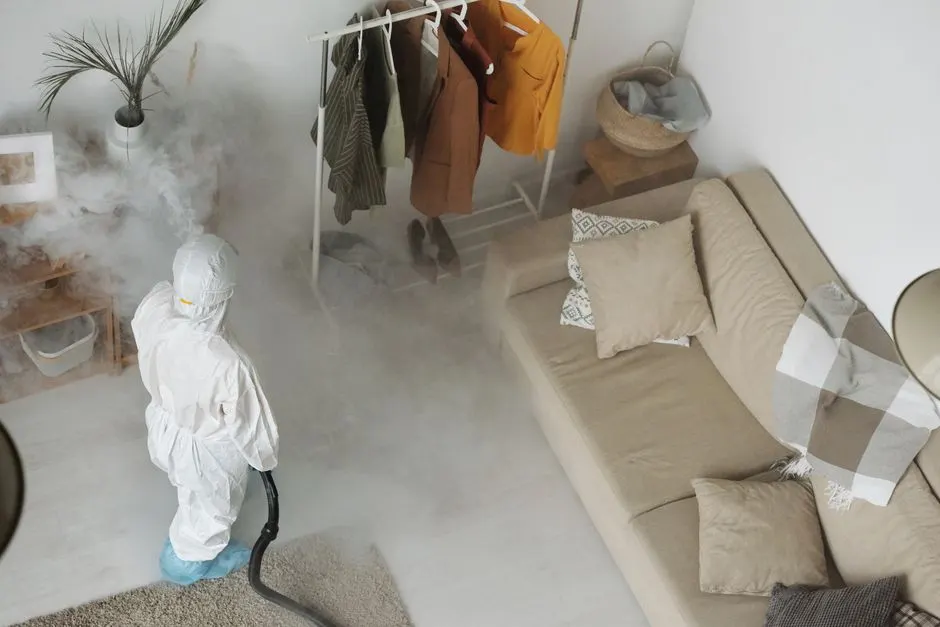





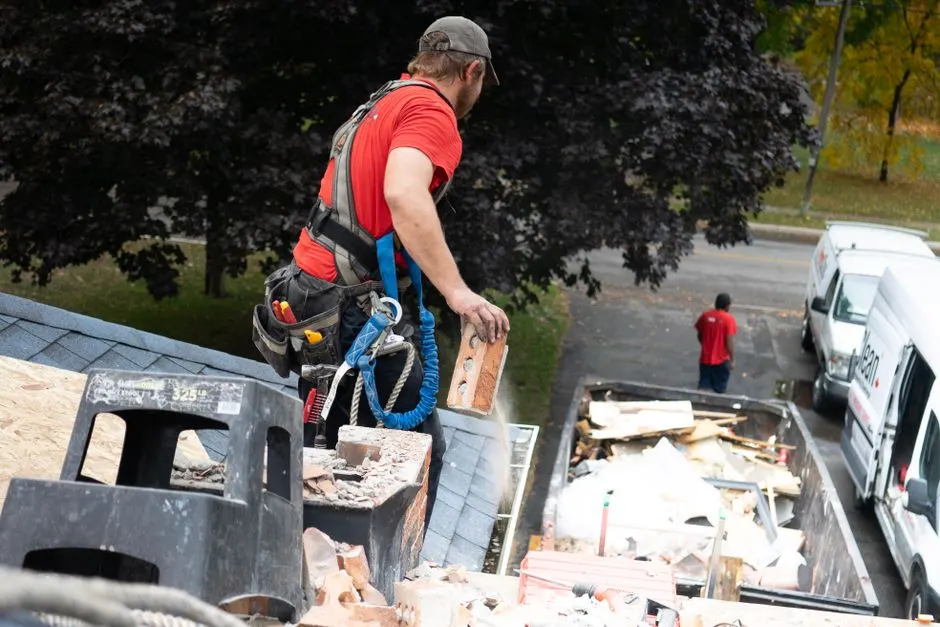





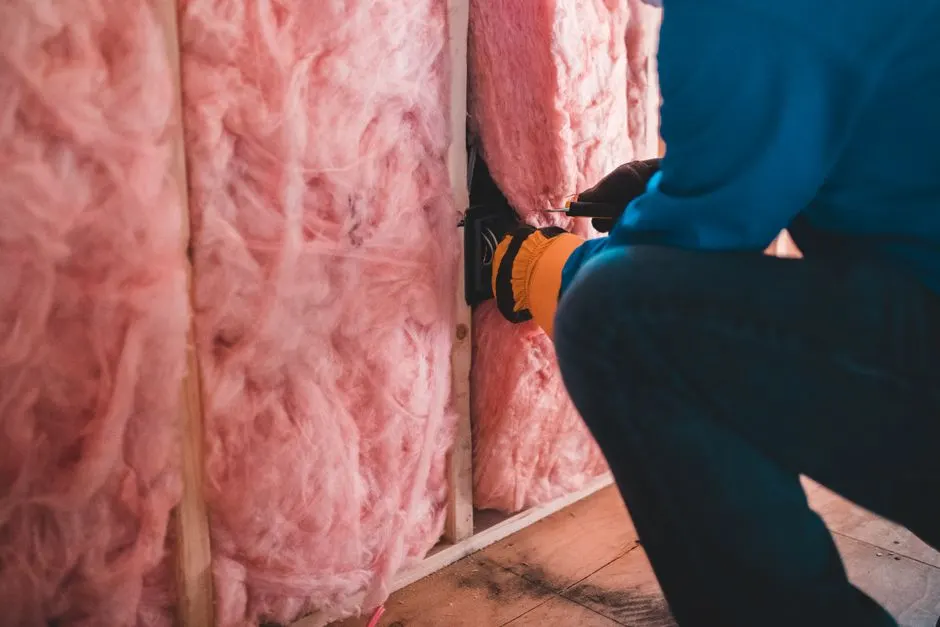


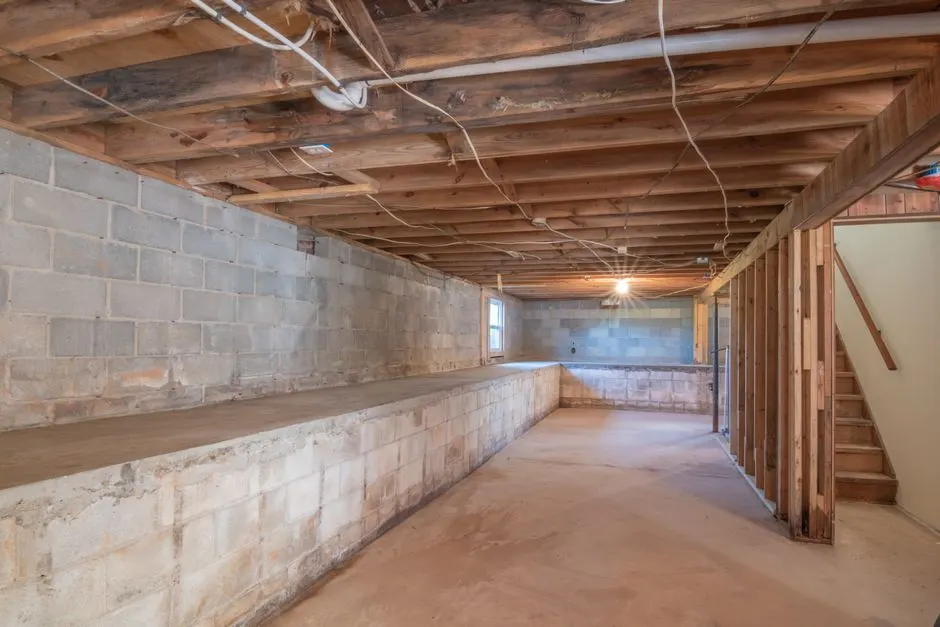
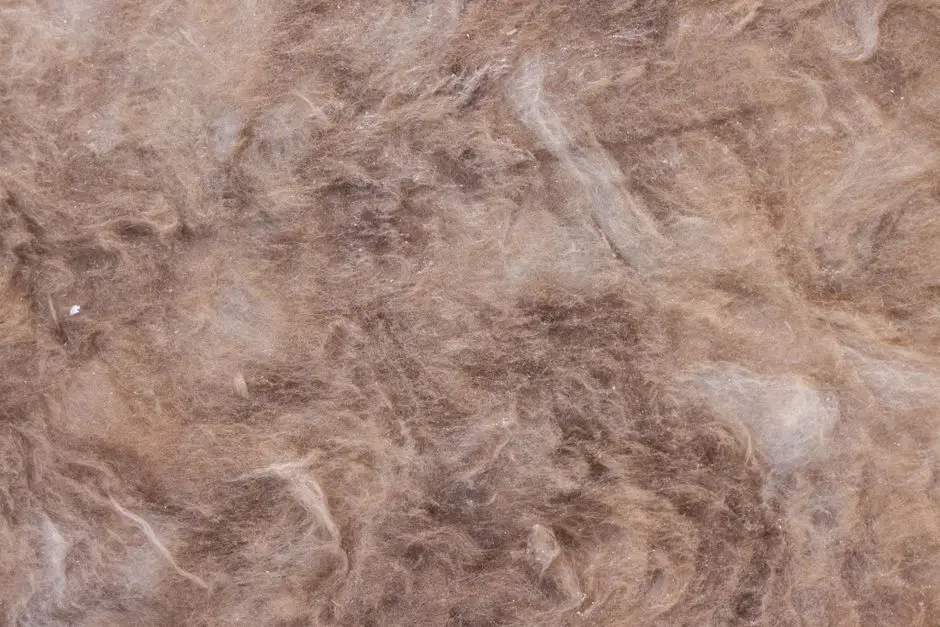


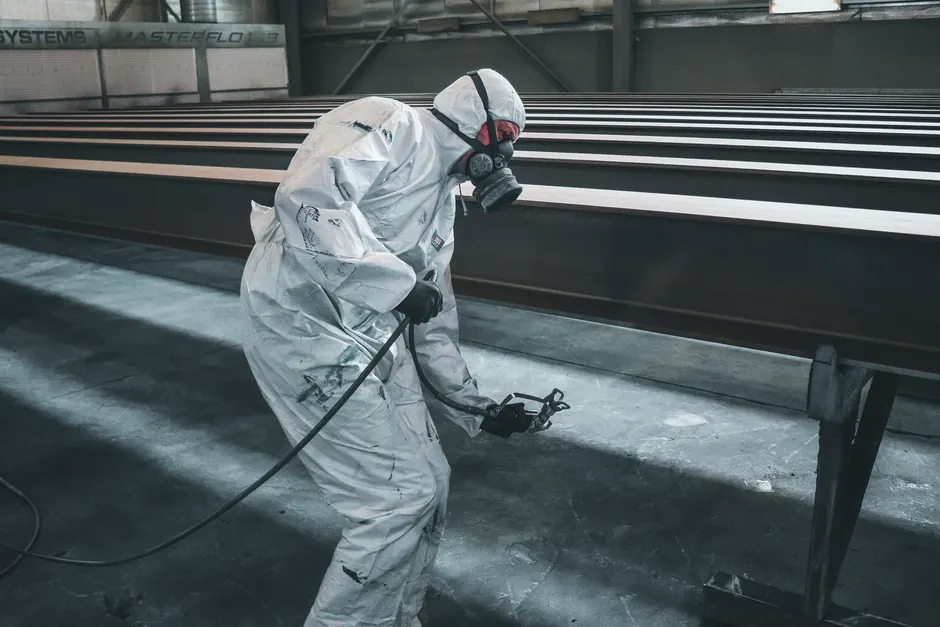
Quedgeley has a specific set of conditions that make spray foam problems more likely than in older towns. The housing stock is young, the roofs are mostly trussed with felt or breathable membrane, and a lot of foam was installed during the grant years without much thought for ventilation. Add Gloucestershire's wet winters and humid summers and you get condensation, trapped moisture and mortgage refusal. Here are the four problems we see most often.
Most Quedgeley roofs rely on an eaves gap to move air through the loft. Foam sprayed across the full rafter run seals that gap, so warm moist air from the house condenses on the cold felt and drips onto the foam.
Once foam holds condensation against a rafter, the timber stays wet through the winter. Rot starts at the eaves and around fixings, and it is often hidden behind the foam until the roof is opened up.
Lenders and surveyors treat spray foam as a defect because it hides the roof structure and blocks ventilation. On the GL2 4 and GL2 2 estates, where turnover is high, this stalls sales regularly.
Foam that was sprayed onto a damp or dusty surface can pull away over time. Once it delaminates, it insulates poorly and traps moisture behind the gap, which is worse than having no foam at all.
Most Quedgeley homeowners do not realise they have a problem until a surveyor or a damp patch tells them. If you are searching for spray foam removal near me in Quedgeley, one of these five signs is usually behind it. Catch them early and you are looking at foam removal. Leave them a couple of winters and you are looking at timber rot and a much bigger bill.
Mortgage offer stalled by surveyor's foam report
Lenders treat spray foam in a roof space as a risk because it hides the timbers and blocks ventilation. Once it is flagged, the sale usually stalls until the foam is removed and the roof is shown to be sound. This is the most common trigger we see in Quedgeley.
Damp patches on upstairs ceilings
Foam that has trapped condensation against the felt will eventually push moisture into the plasterboard below. A brown patch on a bedroom ceiling is often the first visible symptom, and it usually means the foam has been holding water for at least one winter.
Condensation on the underside of roof felt
If you can see water droplets on the felt when you look into the loft, the ventilation gap is blocked. Foam sprayed across the rafters is the usual cause. Left alone, that moisture works into the timbers and the foam itself.
Musty smell in the loft or landing
A damp, earthy smell that gets stronger in winter points to trapped moisture and early timber rot. It is easy to dismiss as old loft smell, but in a Quedgeley trussed roof with foam across the rafters, it usually means the problem is already active.
Foam cracking, sagging or pulling away
Foam that has delaminated from the timber is no longer insulating and is now just trapping moisture behind it. Cracks and gaps are a clear sign the bond has failed, and it is the point where removal is cheaper than waiting for rot to set in.
Quedgeley is easy to navigate once you know the landmarks, and we use them to route crews and confirm which estate we are heading to. Quedgeley Park and Quedgeley Library sit close to the older village streets, while St James' Church is a useful marker for the surrounding cul-de-sacs. Kingsway is its own large estate with a clear spine road, and the M5 junction is the quickest way in and out for crews coming from Cheltenham or Gloucester. If you give us a landmark rather than a full address, we will find you.
A central open space that helps us orient crews towards the surrounding residential streets. Useful as a meeting point when a driveway is too tight for the van and trailer.
Sits near the older village centre, so it is a handy reference point for the 1980s and 1990s streets where loft spray foam removal is most common.
A well-known village landmark that marks the older part of Quedgeley, close to several cul-de-sacs with trussed roofs and limited loft access.
The large newer estate is its own navigation reference, with a clear spine road that makes it straightforward to reach the newer build properties we survey there.
ZIP coverage on request — call to confirm.
Quedgeley gets the full Gloucestershire weather cycle: wet winters, humid summers and a damp autumn that keeps roof spaces moist. That shapes when spray foam problems show up and when it is best to book removal. Autumn is when we get the most calls, because the first cold snap and the first heavy rain expose condensation that has been building all summer.
Spring is a good time to book removal because the loft dries out faster after the foam comes out. Damp patches from winter often become visible now as the heating goes off and the roof space warms up.
Tip: Book your survey in spring if you have a lender deadline later in the year. Timbers dry quicker and the job is less disruptive than in mid-winter.
Warm, humid summer air can leave a foam-filled loft feeling clammy, and condensation still forms on cool felt overnight. This is when hidden leaks from winter often become obvious as stains spread.
Tip: If you noticed damp over winter, get a moisture meter survey done now. Summer is the cheapest and easiest time to remove foam and let the timbers dry.
The first cold snaps and heavy rain arrive in autumn, and that is when condensation on roof felt and musty loft smells become obvious. Demand for spray foam removal in Quedgeley peaks between October and December.
Tip: Call early in autumn before the diary fills. If you have a surveyor's report already, send it over and we will prioritise the survey.
Winter is when trapped moisture does the most damage. Foam holds condensation against cold timbers for weeks, and any existing rot accelerates. Emergency call-outs for leaks tracking through foam are common.
Tip: If water is coming through a ceiling, call our 24/7 line on 01242375143. We will talk you through isolating the leak before we arrive.
Quedgeley sits between Gloucester and Cheltenham, and we run spray foam removal across the whole corridor. The same crews that work Quedgeley lofts also cover the surrounding towns and suburbs, so if you are just outside our listed areas, it is still worth a call. Below are the nearby locations we cover most often.
(City)
Around 20 minutes from Quedgeley, and we regularly move between Montpellier and the GL2 estates on the same day.
View Montpellier(City)
A short run up from Quedgeley, with older properties that often need a gentler thermal removal method.
View Lansdown(City)
About 20 to 25 minutes away, and a common second stop for our crews after a Quedgeley loft job.
View Pittville(City)
Roughly 25 minutes from Quedgeley, with larger detached houses where roof deck foam is more common.
View Charlton Kings(City)
A similar run time to Quedgeley, and we cover loft and attic removals across the area.
View Leckhampton(City)
Close to Quedgeley and often booked alongside GL2 jobs, with similar 1990s housing stock.
View BenhallReal answers from our team for the questions we hear most often before a job starts.
If you have a surveyor's report, a damp patch or a mortgage deadline, call us on 01242375143 and we will get a survey booked, usually within 48 hours. We have worked Quedgeley since 2021, we hold CHAS and SafeContractor accreditation, and every job ends with a clean loft and a written report. Same day and 24/7 call-outs are available across GL2 4 and GL2 2.
Call us on 01242375143 or email info@sprayfoamheritagehomes.com and we will arrange a free survey at your Cheltenham property. Our phone line is answered 24/7, and we aim to book surveys within 48 hours across Gloucestershire. If you have photos of the foam, send them over and we can often give you an initial view before we visit.
Phone
01242375143Address
15-21 Clarence Street, Cheltenham, GL50 3JL, UK, Cheltenham, Gloucestershire
Hours
Mon–Fri: 7AM – 7PM
Sat: 8AM – 4PM
Sun: Emergency Only
24/7 Emergency Available