St Mary's Church
The church sits at the heart of the village and is the easiest reference point for properties in the core. If you are nearby, we can usually park within a short walk and carry kit in by hand.
Spray foam removal in Painswick Gloucestershire is a specialist job, and Painswick is a specialist place to do it. The village sits in a conservation area, most of the housing stock is Cotswold stone under slate or stone tile, and a lot of it was never designed for the airtight layer somebody sprayed into the rafters fifteen or twenty years ago. We have been working these roofs since 2021, and the pattern is always the same: foam goes in to stop a draught, then the roof can't breathe, then the timbers start to sweat. Our team handles Painswick spray foam removal for homeowners, buyers and landlords, using dry ice blasting and thermal removal tools rather than brute force, so the slates and battens survive the strip-out. If you need spray foam removal near Painswick, we cover the whole village and the lanes out towards Painswick Beacon.
Demand in Painswick splits roughly three ways: homeowners who want the foam gone before it rots a rafter, buyers who need it out to satisfy a lender, and landlords tidying up a rental. Because the village is compact, we can often get a survey done the same week you call, and if you are searching for spray foam removal near me in Painswick, we are usually the closest crew to you.





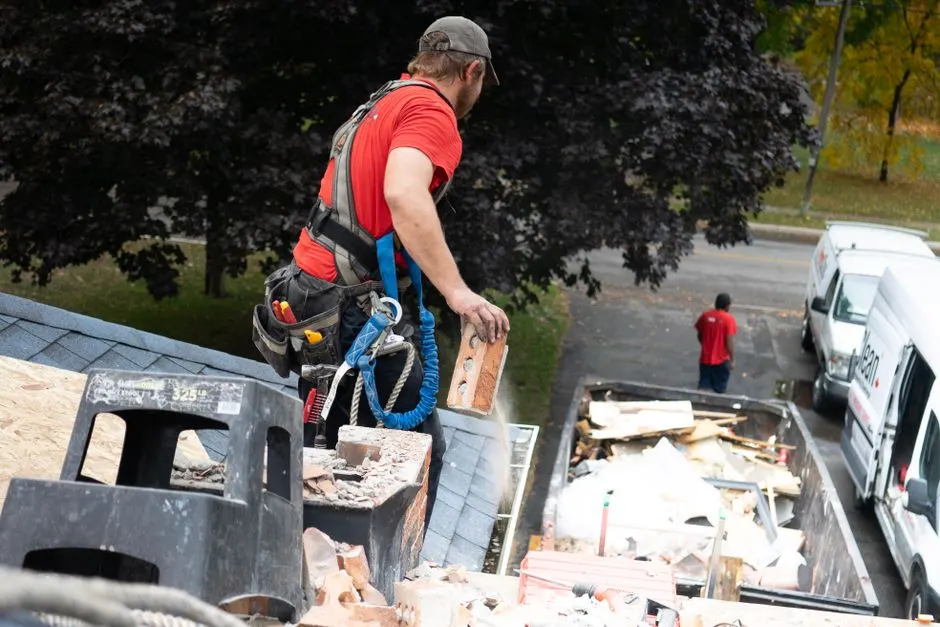




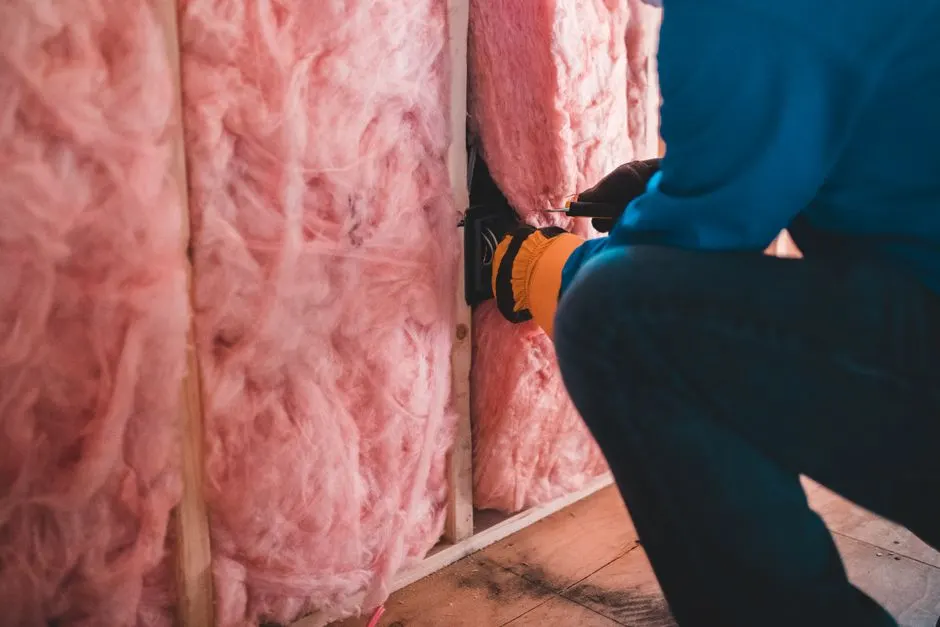


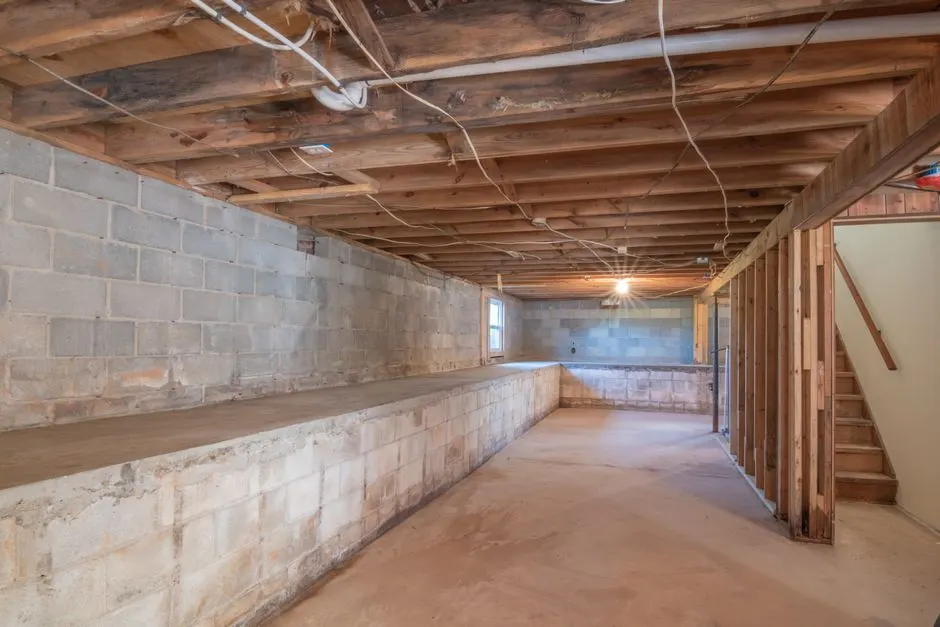
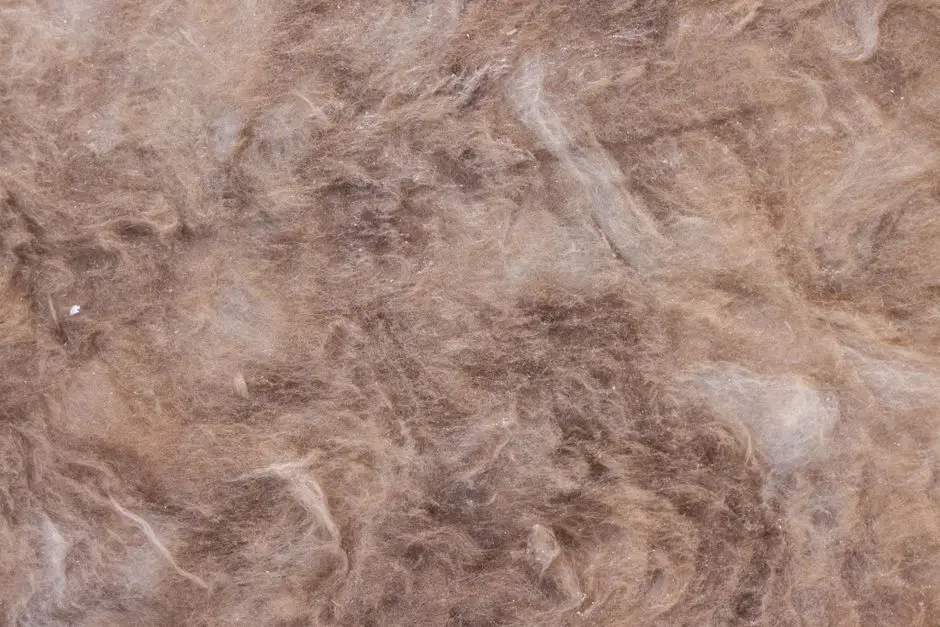


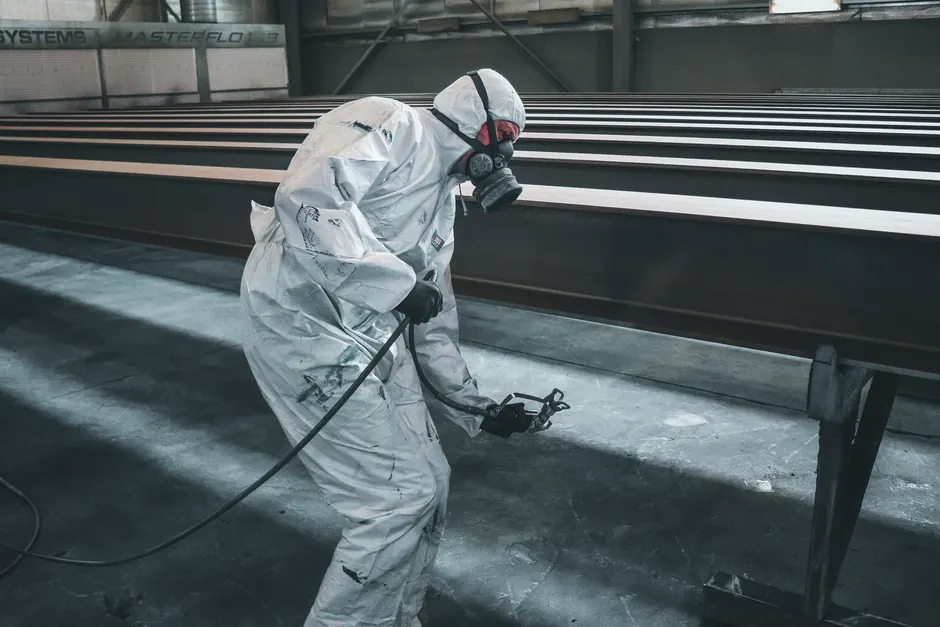
Painswick's building stock and its position in the valley create a particular set of problems. Stone walls, slate roofs, exposed slopes and a lot of older timber mean foam behaves differently here than it would in a modern house. These are the issues we deal with most often when we carry out Painswick spray foam removal.
Cotswold stone and slate roofs are designed to breathe. Foam sprayed tight to the rafters stops that, so warm moist air from the house condenses on cold timber. In an exposed village like Painswick the temperature swings make it worse.
Lenders and surveyors treat spray foam as a hidden risk because it can mask structural problems and block ventilation. In Painswick, where a lot of buyers are purchasing older stone properties, this stalls sales at the last minute.
Foam often gets sprayed right into the eaves, sealing the gap that lets air move through the roof void. Without that airflow, condensation builds up and the roof covering starts to suffer from the inside out.
Foam soaks up and holds water, so a small leak from a slipped slate or flashing can travel sideways through the foam before it shows on a ceiling. By the time you see the stain, the damage has spread.
Foam does not always announce itself. In a Cotswold cottage the first clue is usually damp, a smell, or a surveyor's note rather than anything dramatic. If you are searching for spray foam removal near me in Painswick, these are the triggers we see most often, and any one of them is worth a survey before the problem spreads.
Damp patches on upstairs ceilings
Foam sealed the roof void, so condensation has nowhere to go and starts soaking into the ceiling below. It usually shows first in a corner or near a chimney breast. Left alone, it spreads and the plaster starts to blow.
A musty smell in the loft or landing
That smell is usually damp timber. Foam holds moisture against rafters, and in a stone cottage the timber stays wet for months. A moisture meter reading above 20 percent means the rot process has already started.
Mortgage or survey flagging spray foam
Lenders treat spray foam as a risk because it hides the roof structure and blocks ventilation. If your valuation has a retention or a condition attached, the foam usually has to come out before the money is released.
Condensation on roof timbers or felt
Water beading on the underside of the roof covering means the void cannot breathe. Foam is the usual cause in Painswick because it seals the gap between the insulation and the felt. It needs removing before the timbers suffer.
Cold rooms despite thick insulation
Foam can look like it is doing a job while actually blocking ventilation and letting damp air sit against the structure. If the room above is still cold and the loft feels clammy, the insulation is failing and needs a proper assessment.
Painswick is not a grid, so we navigate by landmarks rather than postcodes. St Mary's Church and its yew trees sit at the centre, the Rococo Garden is up towards the northern edge, and Painswick Beacon marks the high ground above the valley. If you are directing us in, tell us the nearest landmark and we will find the lane.
The church sits at the heart of the village and is the easiest reference point for properties in the core. If you are nearby, we can usually park within a short walk and carry kit in by hand.
The Rococo Garden is north of the village centre and a useful marker for properties on that side of the valley. It helps us pick the right approach lane rather than driving through the narrowest part of the village.
The Beacon sits on the high ground above the village. Properties on the slopes below it often have exposed roofs and more weather-driven damp, so we allow extra time for access and safe working at height.
The valley shapes every route in and out of the village. Knowing which side of the valley you are on tells us whether to come in from Stroud Road or Cheltenham Road, which can save half an hour on a call-out.
ZIP coverage on request — call to confirm.
Painswick sits high in the valley, so it catches more wind and rain than Cheltenham below. That shapes when foam problems show up and when we can safely work at height. Autumn is our busiest season for surveys because the damp starts to show indoors, but there is work across the year.
Damp patches that appeared over winter often dry back in spring, which can make a foam problem look like it has gone away. It has not, and the timber underneath is usually still wet. This is a good time to survey before the roof dries out and hides the evidence.
Tip: Book a survey in spring if you had damp over winter. A moisture meter reading now tells you whether the rafters need treatment before next winter.
Long dry spells are the best window for roof spray foam removal because the timbers dry out and the roof is safe to work on. It is also the busiest time for buyers, so lender-driven jobs pick up as sales move towards completion.
Tip: If your sale is going through, get the survey booked early. Summer slots fill up and a lender deadline does not move.
As the rain returns, condensation problems reappear fast. Foam that looked harmless in August starts showing damp patches again by October. This is when most Painswick homeowners first notice something is wrong.
Tip: Check the loft after the first cold snap. If the felt or timbers are wet, get it assessed before the worst of the winter sets in.
Cold, wet and windy, with the roof taking a battering. Working at height is more weather-dependent, so we plan around dry windows and use internal access where we can. Emergency call-outs for active leaks are common.
Tip: If water is coming through, call our 24/7 line rather than waiting. We can make the roof safe and deal with the foam once the weather allows.
Painswick sits in the middle of our patch, with Cheltenham to the north and Stroud down the valley. We run the same crews and the same kit across the surrounding towns, so if you are just outside the village you are still on our regular round rather than an out-of-area call.
(City)
About 20 minutes north in Cheltenham, and part of our regular round for period properties with foam in the roof.
View Montpellier(City)
North of Painswick on the edge of Cheltenham, with larger Victorian and Edwardian houses that often have deep roof voids.
View Lansdown(City)
A short run up the A46, with a mix of regency terraces and later housing where we handle loft and roof foam removal.
View Pittville(City)
Just east of Cheltenham and roughly 25 minutes from Painswick, with a steady flow of mortgage-driven foam removal jobs.
View Charlton Kings(City)
South of Cheltenham and close to the Painswick road, so we often pair a Leckhampton job with a Painswick call in the same day.
View Leckhampton(City)
A Cheltenham suburb on our northern route, with 1930s and post-war housing where foam was often installed in the loft.
View BenhallReal answers from our team for the questions we hear most often before a job starts.
If foam is holding up your mortgage, soaking your rafters or making the loft smell damp, get it looked at before the damage spreads. We have worked Painswick roofs since 2021, we survey with a boroscope and moisture meter, and we quote a fixed price before we start. Call 01242 375143 or send us the details and we will book a survey at a time that suits you.
Call us on 01242375143 or email info@sprayfoamheritagehomes.com and we will arrange a free survey at your Cheltenham property. Our phone line is answered 24/7, and we aim to book surveys within 48 hours across Gloucestershire. If you have photos of the foam, send them over and we can often give you an initial view before we visit.
Phone
01242375143Address
15-21 Clarence Street, Cheltenham, GL50 3JL, UK, Cheltenham, Gloucestershire
Hours
Mon–Fri: 7AM – 7PM
Sat: 8AM – 4PM
Sun: Emergency Only
24/7 Emergency Available