Longlevens Library
A useful marker for the village centre. If you are within a few streets of the library we know the parking situation and the quickest route in from the main road.

Spray foam removal in Longlevens Gloucestershire is a specialist job, and it is not something a general builder should be learning on your roof. Spray foam removal is the controlled stripping of polyurethane foam from rafters, tiles and loft voids, followed by drying, ventilation work and reinstatement so the roof can breathe again. We have worked Longlevens since 2021, covering Longlevens Village, Elmbridge Road, Church Road and the Cheltenham Road corridor, and we know exactly how these houses are built. Most of the stock here is 1930s semis and post-war detached homes with shallow loft voids, timber battens and original felt that traps moisture the moment foam goes in. That is why so many Longlevens spray foam removal jobs start with a mortgage valuation rather than a leak. A surveyor spots the foam, the lender withholds funds, and the homeowner needs it gone fast. We handle the strip-out, the boroscope inspection and the drying, then give you the paperwork your lender wants.
Demand in Longlevens splits roughly three ways: homeowners who need foam out before a sale completes, homeowners dealing with damp and condensation in the loft, and commercial landlords around the Cheltenham Road end who inherited foam in a unit and need it gone before a new tenant moves in. If you have been searching for spray foam removal near me in Longlevens and getting national call centres, we are the local outfit that actually turns up in a van with the right kit.
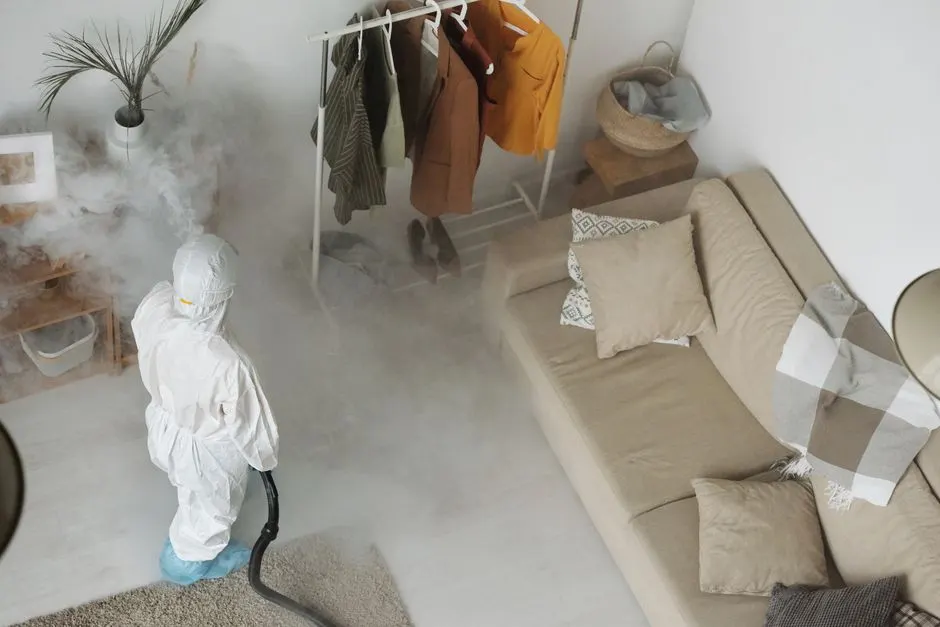




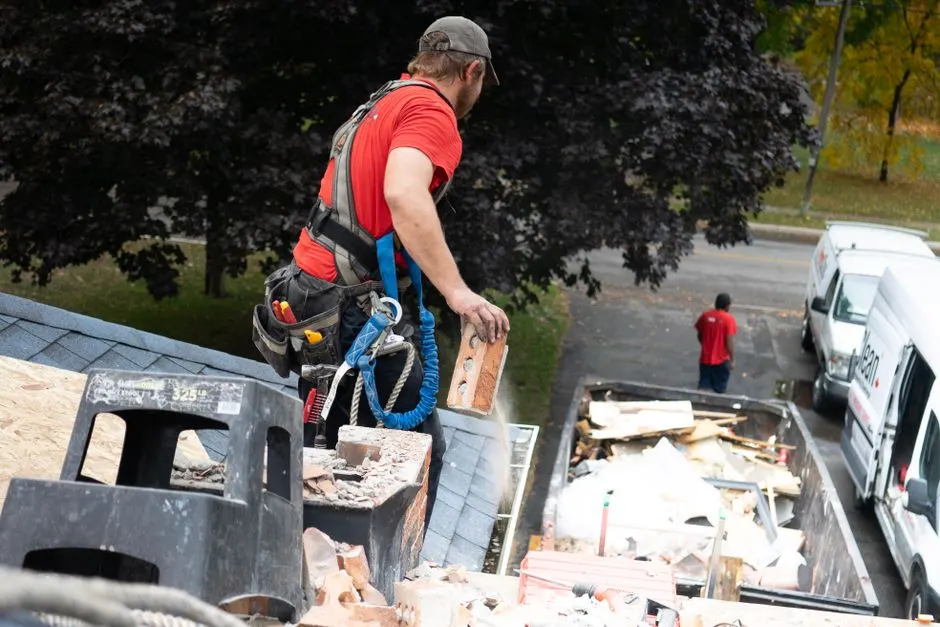
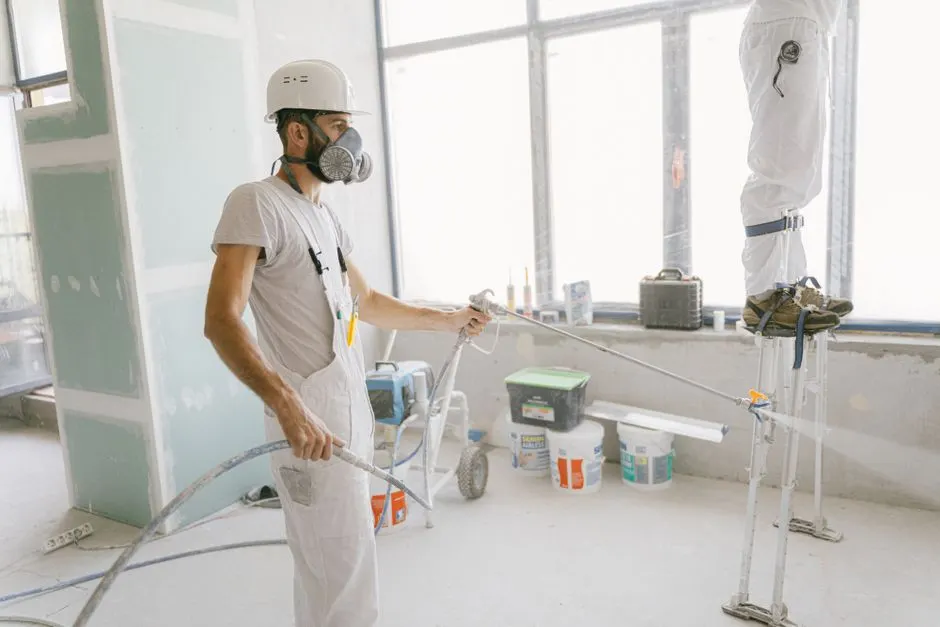



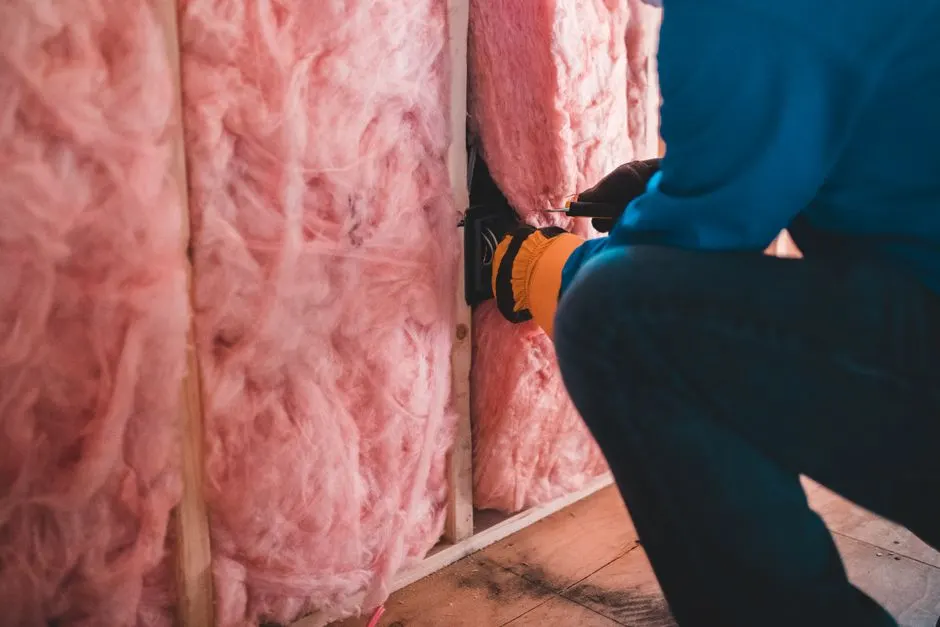


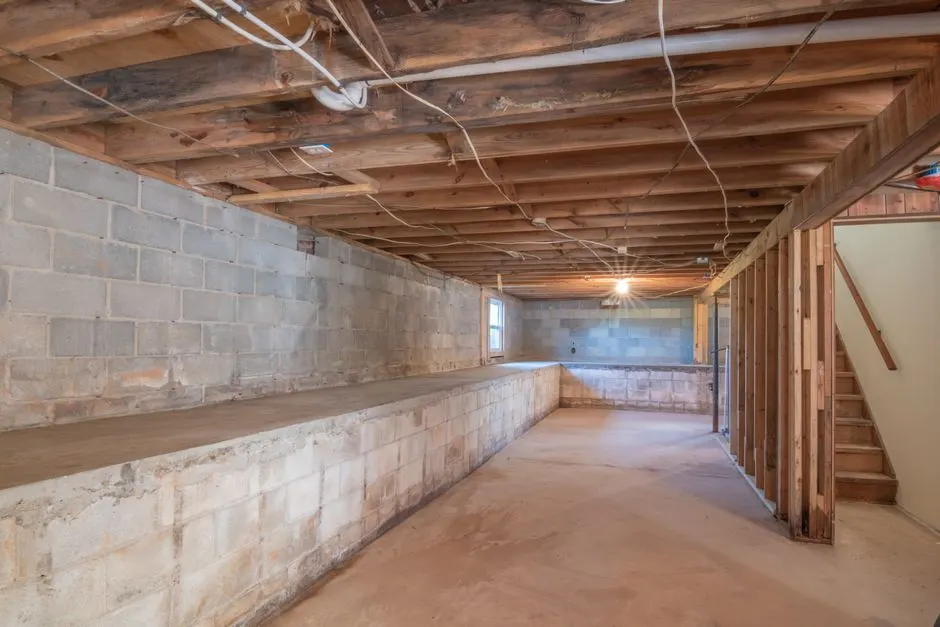
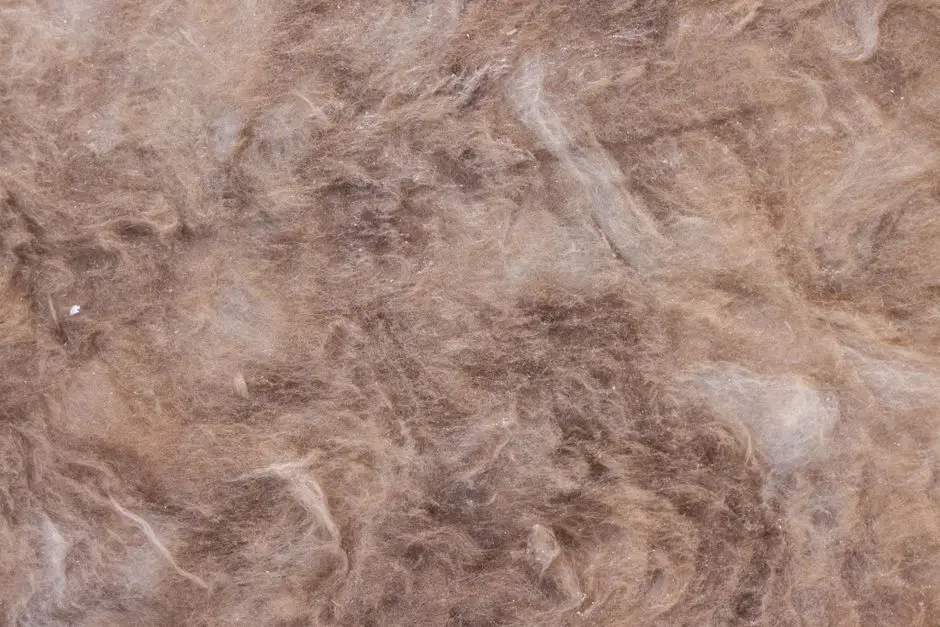


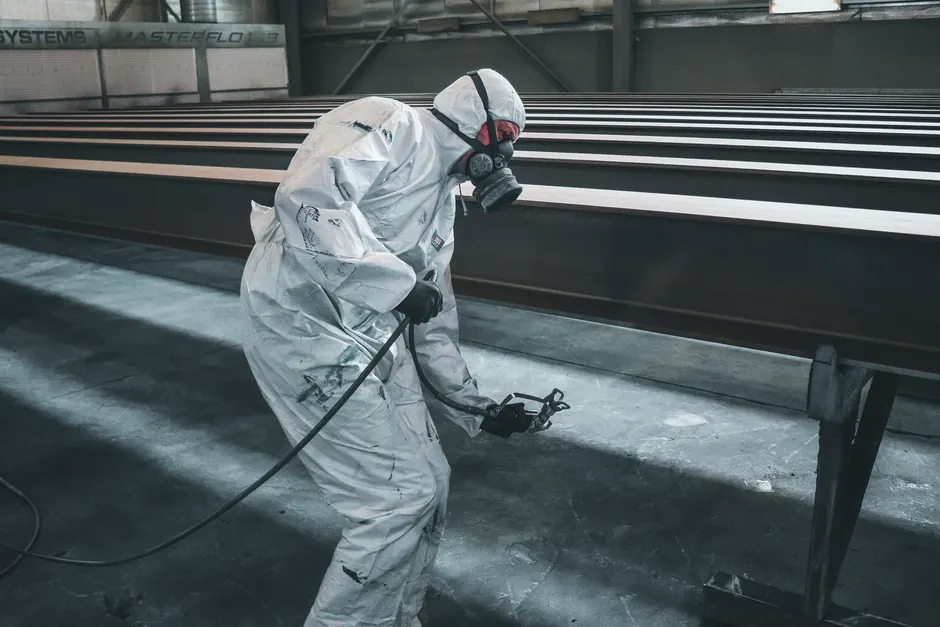
Longlevens has a particular mix of housing stock and weather that makes certain foam problems show up again and again. The suburb is mostly 1930s and post-war homes with shallow lofts and original felt, and it catches the damp south-westerly fronts that come through Gloucestershire every winter. That combination is hard on any roof, and foam makes it worse.
When foam is sprayed right into the eaves it seals the gap that lets the roof breathe. Warm moist air from the house rises into the loft, hits the cold felt and condenses. In Longlevens this shows up as damp patches on landing ceilings within a winter or two.
Foam holds water against timber. On older Longlevens roofs with original felt, that moisture has nowhere to go, and over several years it softens the rafters and battens. By the time a surveyor spots it, the rot can be well established.
Lenders will not usually lend on a property where spray foam has been applied to the underside of a roof. It hides the timber and blocks ventilation, so the lender cannot assess the risk. In Longlevens, where family homes turn over regularly, this stalls sales at the worst possible moment.
Foam sprayed across a roof can seal over a small leak from a cracked tile or failed flashing. The water tracks sideways through the foam instead of showing up as a stain, so the leak goes unnoticed until the damage is significant.
Foam does not always announce itself. Most Longlevens homeowners only find out there is a problem when a surveyor, a lender or a damp patch forces the issue. If you have been searching for spray foam removal near me in Longlevens and ticking boxes on this list, it is worth getting a proper look at the loft.
Damp patches on the landing ceiling
This usually means foam has blocked the eaves ventilation and warm moist air is condensing on the underside of the felt. It drips onto the ceiling below. Left alone it soaks the timbers and can lead to rot, so it is worth investigating sooner rather than later.
Condensation on loft windows or felt
If you can see water beading on the felt or on any glazing in the loft, the roof is not breathing. Foam sprayed into the eaves is the most common cause in Longlevens. It is a sign the ventilation path needs clearing before the timber suffers.
A surveyor has flagged spray foam
Mortgage lenders treat spray foam on the underside of a roof as a problem because it hides the timber and blocks ventilation. If your survey has flagged it, the lender will usually want it removed before funds are released. This is the single most common trigger for our Longlevens jobs.
Musty smell in upstairs rooms
A damp, earthy smell in bedrooms or on the landing often points to moisture sitting in the loft. Foam that has gone spongy holds water against the felt, and the smell travels down through the ceiling. It will not clear on its own.
Foam looks brittle or has pulled away
Older foam can dry out, crack and pull away from the rafters. Once it starts to fail it no longer insulates properly and it can drop debris into the loft. At that point it needs removing rather than patching.
Longlevens is compact, but the road layout catches people out. We use the local landmarks as orientation when we are planning a day of jobs: Longlevens Library and Longlevens Park sit close to the village centre, St Nicholas Church marks the Church Road end, and the Cheltenham Road runs the length of the suburb out towards the A40. If you tell us you are near the library or just off Elmbridge Road, we know exactly where to park and how to get kit to the loft without blocking anyone in.
A useful marker for the village centre. If you are within a few streets of the library we know the parking situation and the quickest route in from the main road.
Sits in the middle of the residential grid, so it helps us place jobs on the surrounding streets and plan a sensible route between multiple call-outs in a day.
Marks the Church Road end of Longlevens. Handy for orienting jobs on the older, larger properties nearby where access and parking need a bit more planning.
The main spine through Longlevens and the quickest link out to the A40. We use it to plan travel times and to reach commercial units at the Cheltenham end of the suburb.
ZIP coverage on request — call to confirm.
Longlevens gets the full Gloucestershire weather: wet winters, damp springs and the occasional hot spell in summer. Each season changes what we find in a loft and how quickly a foam problem turns into something worse. If you have been putting off a survey, the season you are in matters more than you might think.
Spring is when damp patches from the winter start to show clearly on landing ceilings and around loft hatches. Foam that has held moisture all winter begins to smell musty as the weather warms. It is a good time to get a survey done before the problem spreads.
Tip: Check your loft for any damp smell or staining now. If a surveyor has already flagged foam, spring is the easiest time to book a strip-out before the summer rush.
Hot spells dry out the roof space, which can make foam crack and pull away from rafters. It is also peak season for house sales in Longlevens, so mortgage-driven foam removal jobs spike between June and August. Booking early matters if you are in a chain.
Tip: If you are selling, get the survey done before your buyer's lender raises it. A pre-emptive strip-out keeps the chain moving and avoids a last-minute panic.
As temperatures drop, condensation starts forming again on the underside of felt where foam has blocked ventilation. This is when homeowners first notice damp patches returning after a dry summer. It is also the last good window to get roof work done before winter.
Tip: Book any removal work before the cold sets in. Drying timbers takes longer in winter, so an autumn strip-out is easier to finish properly.
Winter is when foam problems bite hardest. Condensation is at its peak, and any water ingress through a foam-blocked roof shows up fast. If a leak develops, the damage to timbers and ceilings can be significant within weeks.
Tip: If you spot a new damp patch or a drip in the loft, ring us straight away. We run 24/7 spray foam removal in Longlevens Gloucestershire and can get out to stop the damage spreading.
Longlevens is our home patch, but we cover the whole Gloucester and Cheltenham ring from the same base. If you are just outside Longlevens, we can almost certainly still help. Here is how the nearby areas fit together.
(City)
A few miles into Cheltenham. We pick up regular work here from homeowners who found us through Longlevens referrals.
View Montpellier(City)
Just north of Cheltenham town centre. Larger period properties with deeper roof voids, often needing a slower, more careful strip-out.
View Lansdown(City)
Close to Lansdown and a short run from Longlevens. A mix of period and modern housing, with foam problems usually surfacing at sale time.
View Pittville(City)
On the south-east edge of Cheltenham, about fifteen minutes from Longlevens. Mostly family homes with loft foam flagged on survey.
View Charlton Kings(City)
South of Cheltenham and easy to reach from Longlevens via the A40. We handle a steady flow of residential foam removal here.
View Leckhampton(City)
Right next door to Longlevens, so it is effectively the same patch for us. Same response times, same team, same kit.
View BenhallReal answers from our team for the questions we hear most often before a job starts.
If a surveyor has flagged foam in your Longlevens loft, or you have spotted damp patches you cannot explain, ring us on 01242375143. We cover every GL2 0 and GL2 9 postcode, survey within days, and give you a fixed price before we start. You get photographs and moisture readings before and after, and paperwork your lender will accept. Same-day and 24/7 call-outs available across Longlevens and the wider Gloucester area.
Call us on 01242375143 or email info@sprayfoamheritagehomes.com and we will arrange a free survey at your Cheltenham property. Our phone line is answered 24/7, and we aim to book surveys within 48 hours across Gloucestershire. If you have photos of the foam, send them over and we can often give you an initial view before we visit.
Phone
01242375143Address
15-21 Clarence Street, Cheltenham, GL50 3JL, UK, Cheltenham, Gloucestershire
Hours
Mon–Fri: 7AM – 7PM
Sat: 8AM – 4PM
Sun: Emergency Only
24/7 Emergency Available