St Nicholas Church
The church is the easiest reference point for the older part of the village. If you are on Church Lane or the lanes just off it, we use the church to orient ourselves and plan where to park the van without blocking the lane.

Hardwicke sits right on the rural edge of Gloucester, and the housing stock shows it. You have older cottages around St Nicholas Church and Church Lane with shallow lofts and original rafters, then the newer developments off Green Lane and Elmore Lane where spray foam went in during the last big insulation push. Both types cause us the same headaches: foam sprayed straight onto the underside of roof tiles, no ventilation gap, and trapped moisture quietly working on the timber. We have been pulling foam out of Hardwicke lofts since 2021, and we know which streets have the tightest roof voids and which ones need scaffolding before we can even get a boroscope in. If you need Hardwicke spray foam removal because a mortgage lender has refused, or you simply want the foam gone before it does more damage, we handle the whole job from assessment to signed-off report.
Whether you are in a 1930s cottage off Church Lane or a modern build near Green Lane, the foam comes out the same way: carefully, with the right tools, and with the roof space left in a state a surveyor will pass. If you have been searching for spray foam removal near me in Hardwicke, this is the full list of what we run across the village and out towards Quedgeley.








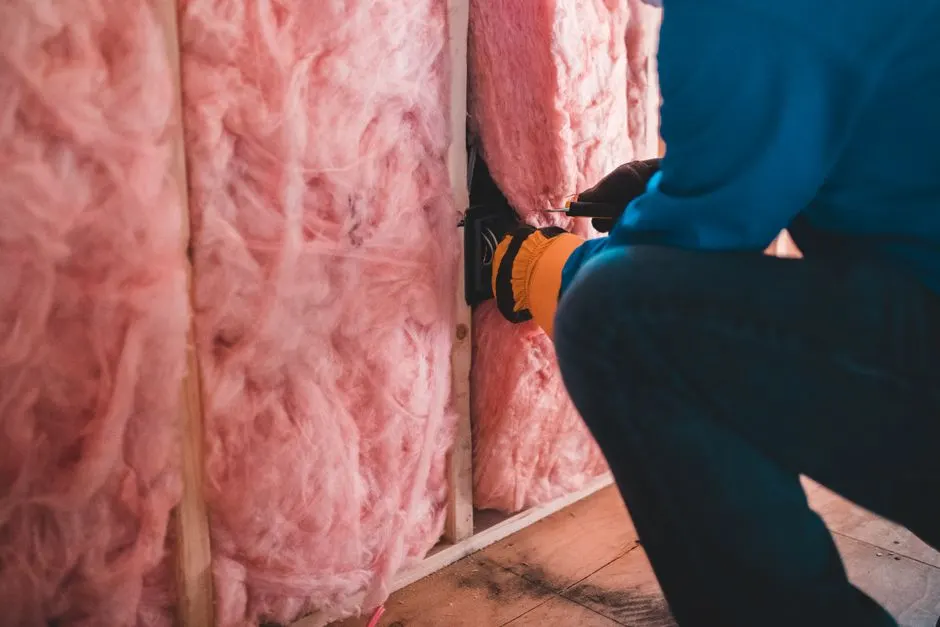


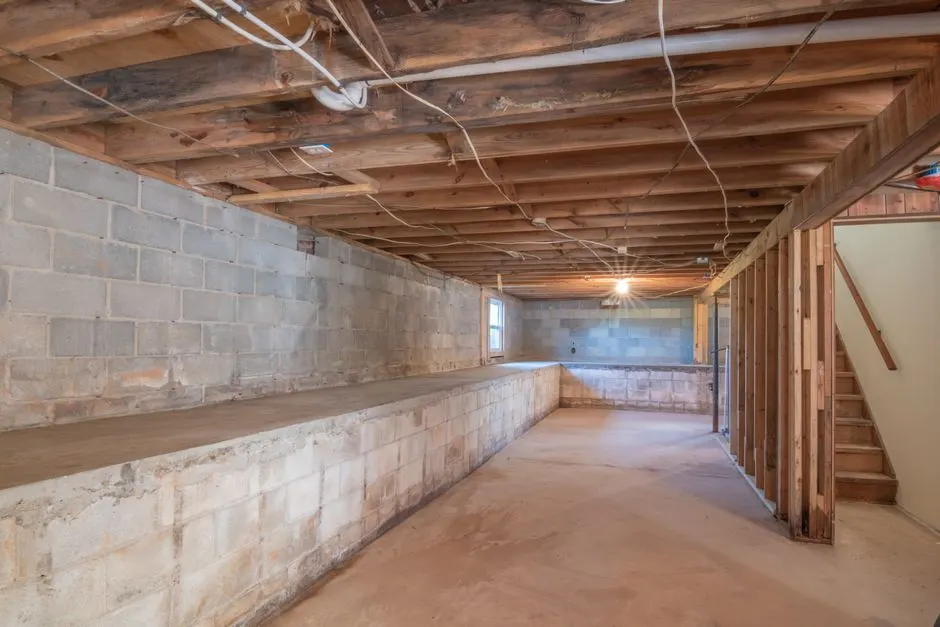
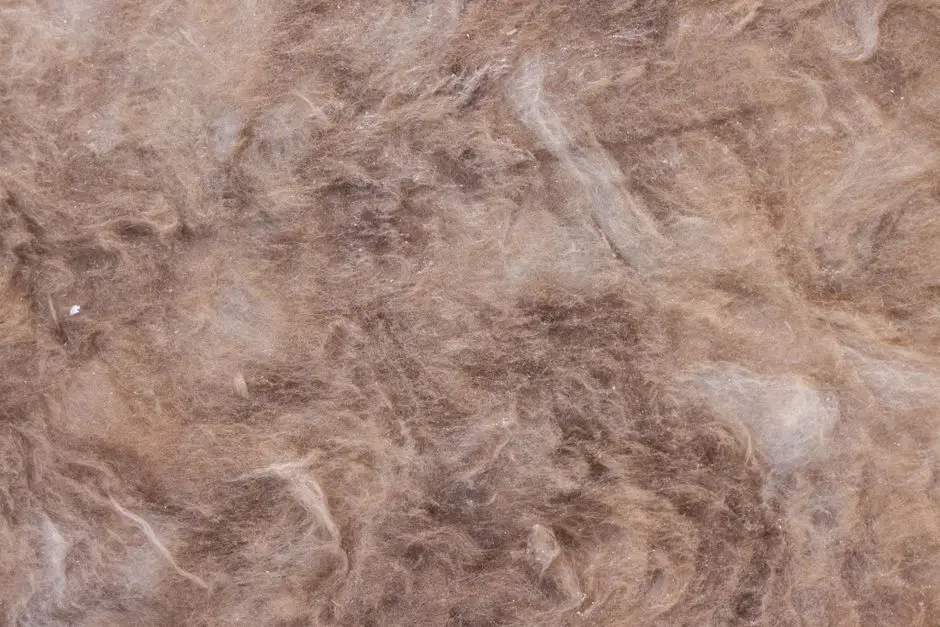


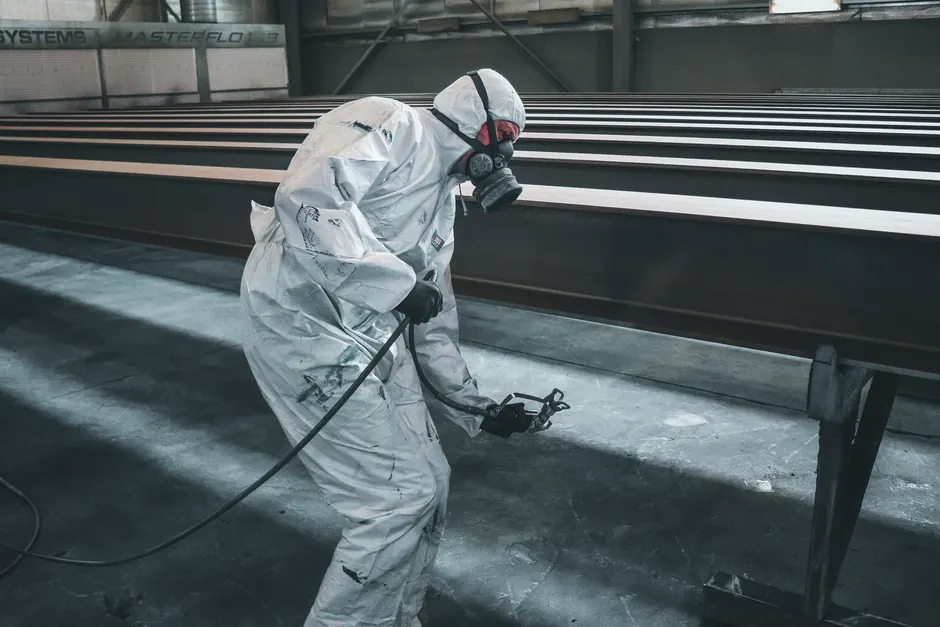
Hardwicke has a particular mix of housing that makes certain foam problems more common here than elsewhere. The older cottages around the church have shallow, poorly ventilated lofts. The newer estates have foam that went in fast during the last insulation push. Add Gloucestershire's damp winters and you get a village where foam problems show up early. If you need Hardwicke spray foam removal, these are the issues we deal with most.
Spray foam is often applied right into the eaves, sealing the gap that lets air move through the roof space. Without that airflow, moisture from the house rises into the loft and has nowhere to escape. It is the single most common cause of damp in Hardwicke lofts.
Closed cell foam grips timber hard. In Hardwicke's older cottages the rafters are often irregular and slightly damp, which makes the bond even tighter. Scraping it off damages the wood and leaves a rough surface that cannot be re-insulated cleanly.
Lenders have tightened their stance on spray foam over the last few years. A surveyor sees foam on the rafters, flags it as a risk, and the lender refuses until it is removed and the roof space is documented as sound. This stalls sales across Hardwicke every month.
Foam hides everything. A slow leak from a damaged tile or a failed flashing can soak into the timber for months without anyone noticing, because the foam covers it. By the time it shows, the rot has spread. Hardwicke's exposed position on the rural edge makes roof damage more likely.
Not every foam job is urgent, but some are. If you have noticed any of the following in your Hardwicke loft, it is worth getting an assessment before the problem gets worse. If you have been searching for spray foam removal near me in Hardwicke, these are the triggers that usually bring people to us.
Surveyor or lender has flagged the foam
This is the most common trigger in Hardwicke. A mortgage surveyor spots spray foam on the rafters and the lender refuses to lend until it is removed and documented. It is urgent because the sale depends on it, and lenders usually want it sorted within a few weeks.
Damp patches or condensation in the loft
Foam sprayed across rafters blocks the ventilation gap, so moisture has nowhere to go. It condenses on the felt and drips onto whatever is stored below. If you are seeing damp patches, the foam is almost certainly the cause and the timber is at risk.
Musty smell coming from the roof space
A musty smell usually means trapped moisture has been sitting against the timber for a while. In Hardwicke we often find early rot in the rafters when we investigate. The sooner the foam comes out, the less timber needs replacing.
Visible mould on rafters or roof felt
Mould on the timber is a clear sign the roof space is not breathing. It is common in Hardwicke lofts where closed cell foam has been sprayed directly onto the felt. Left alone, the mould spreads and the timber softens.
Foam has started to crack or pull away
When foam cracks or separates from the timber, it is no longer insulating properly and moisture can get behind it. This is often the first visible sign that a foam job has failed. It is worth an assessment before the damage spreads.
Hardwicke is a small village, but the lanes can be confusing if you do not know them. We use the church, the school and the park as our reference points when we are planning a route or explaining where we will park. If you are giving us directions, mention the nearest of these and we will find you.
The church is the easiest reference point for the older part of the village. If you are on Church Lane or the lanes just off it, we use the church to orient ourselves and plan where to park the van without blocking the lane.
The school sits in the middle of the newer residential streets. We use it to work out which side of the village you are on and to time our arrival outside school drop-off and pick-up, when the roads around it get busy.
The park is a useful marker for the residential streets on the western side of the village. If your postcode is GL2 4 and you are near the park, we know roughly which estate you are on and how to reach the right cul-de-sac.
ZIP coverage on request — call to confirm.
Hardwicke sits on the rural edge of Gloucester, which means it catches the weather. Damp autumns and cold winters make foam problems worse, and the demand for spray foam removal in Hardwicke Gloucestershire follows a clear seasonal pattern. Here is what to expect through the year.
Spring is when the damp from winter starts to show. Homeowners in Hardwicke notice musty smells in the loft or damp patches on stored items. It is also the start of the house-selling season, so lender-driven removal jobs pick up from March onwards.
Tip: If you are planning to sell, get the loft assessed in spring before a surveyor flags it. It is easier to deal with on your own timetable than under a buyer's deadline.
Summer is the easiest time to work in a loft, and the warm weather dries out timber quickly after foam removal. It is our busiest period for planned jobs in Hardwicke, and the best time to get any timber repairs done and dried before autumn.
Tip: Book summer jobs early. If you want the loft re-insulated after removal, doing it in summer gives the new insulation the best chance to bed in before the damp weather returns.
Autumn rain and falling temperatures make existing foam problems worse. Condensation starts forming again on roof felt, and any hidden leaks become more obvious. Demand for emergency callouts in Hardwicke rises from October onwards.
Tip: Check your loft before the worst of the weather. If you see condensation or damp patches, get an assessment booked. Fixing it in autumn is far easier than dealing with rot in January.
Winter is when the damage becomes obvious. Storm damage, driving rain and freezing temperatures all put pressure on a roof space that cannot breathe. We get more emergency calls in Hardwicke between December and February than at any other time.
Tip: If you spot a leak or a damp patch in winter, call us straight away. We offer 24/7 spray foam removal Hardwicke Gloucestershire for genuine emergencies, and stopping the water early saves the timber.
Hardwicke is one of a number of villages and suburbs we cover across the Gloucester and Cheltenham area. If you are just outside the village, we almost certainly still cover you. Here are some of the nearby places we work in regularly.
(City)
About 20 minutes from Hardwicke. We get a steady flow of jobs here from period properties with loft foam that has failed a survey.
View Montpellier(City)
Roughly 25 minutes away. Larger Victorian and Edwardian houses with big roof voids, often with closed cell foam that needs careful removal.
View Lansdown(City)
Around 25 minutes from Hardwicke. We work on a lot of older properties here where foam has been sprayed onto original rafters.
View Pittville(City)
About 30 minutes away. Mostly family homes with trussed roofs and open cell foam from the last decade of insulation work.
View Charlton Kings(City)
Roughly 25 minutes from Hardwicke. A mix of older and newer housing, with foam removal jobs driven mainly by mortgage surveys.
View Leckhampton(City)
About 20 minutes away. Suburban streets with a high proportion of 1960s and 1970s homes where loft foam was retrofitted.
View BenhallReal answers from our team for the questions we hear most often before a job starts.
If a lender has flagged the foam in your Hardwicke loft, or you have noticed damp, condensation or a musty smell in the roof space, call us now on 01242 375143. We will assess the loft, tell you honestly what needs doing, and quote a fixed price before any work starts. We have been removing spray foam in Hardwicke since 2021, we are insured and certified, and we leave the roof space documented and ready for a surveyor. One call and we will take it from there.
Call us on 01242375143 or email info@sprayfoamheritagehomes.com and we will arrange a free survey at your Cheltenham property. Our phone line is answered 24/7, and we aim to book surveys within 48 hours across Gloucestershire. If you have photos of the foam, send them over and we can often give you an initial view before we visit.
Phone
01242375143Address
15-21 Clarence Street, Cheltenham, GL50 3JL, UK, Cheltenham, Gloucestershire
Hours
Mon–Fri: 7AM – 7PM
Sat: 8AM – 4PM
Sun: Emergency Only
24/7 Emergency Available