St James' Church
The church is the clearest reference point in Cranham Village. We use it to locate properties on Church Lane and the surrounding lanes, and to plan parking where the road narrows near the churchyard.

Spray foam removal in Cranham Gloucestershire is the job of taking failed or mortgage-blocking spray foam out of a roof space and putting the building back to a state a surveyor will sign off. We are Spray Foam Heritage Homes, based in Cheltenham and working across Cranham, Painswick and the villages either side of the A46. Cranham spray foam removal is rarely a simple rip-out. The village sits in the Cotswolds, so most of the housing stock is stone or rendered brick with older trussed roofs, breathable felt and narrow eaves vents. Foam sprayed between rafters blocks those vents, traps moisture and rots the timber underneath. We have been doing this since 2021, which means five years of nothing but foam extraction, timber checks and lender paperwork. Our technicians use a dry ice blasting machine and thermal removal tools rather than ripping at the foam with a scraper, because stone roofs and old battens do not forgive heavy-handed work. If you have had a valuation refused, or you are buying a house in Cranham and the survey has come back with foam in the loft, we can assess it, price it and clear it.
If you have searched spray foam removal near me in Cranham, you have probably already had the bad news from a surveyor. Demand here splits three ways: homeowners who cannot remortgage, buyers whose purchase is stuck, and landlords with foam in a rental loft. We cover all three, plus commercial units and barn conversions around the village. Most jobs are booked within 48 hours and completed in a single visit.
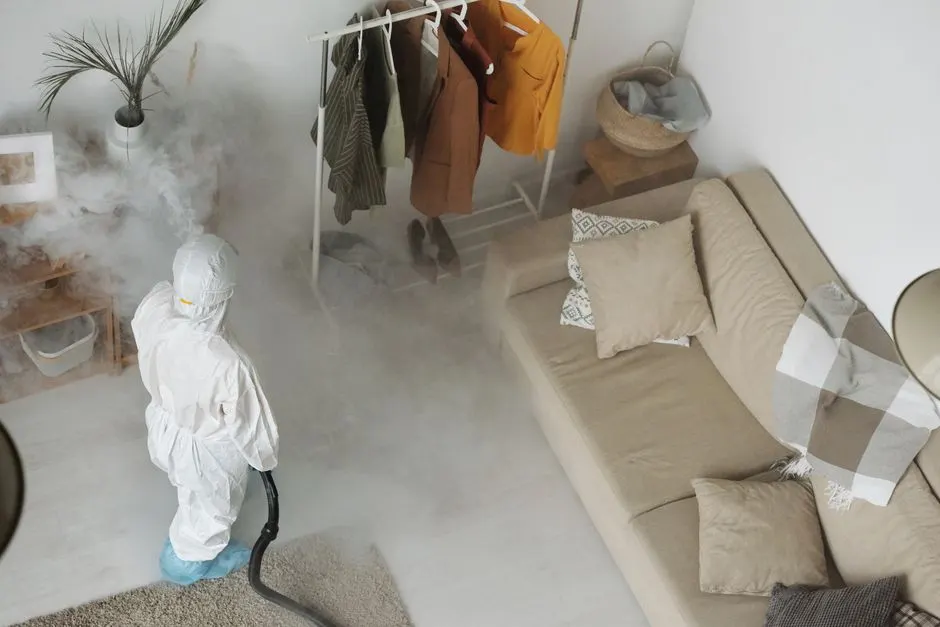











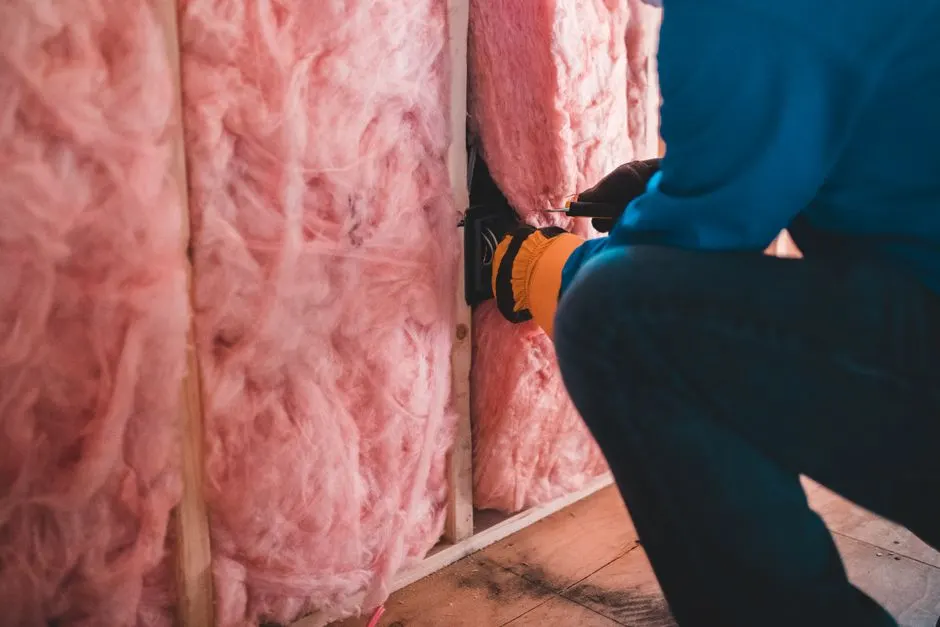


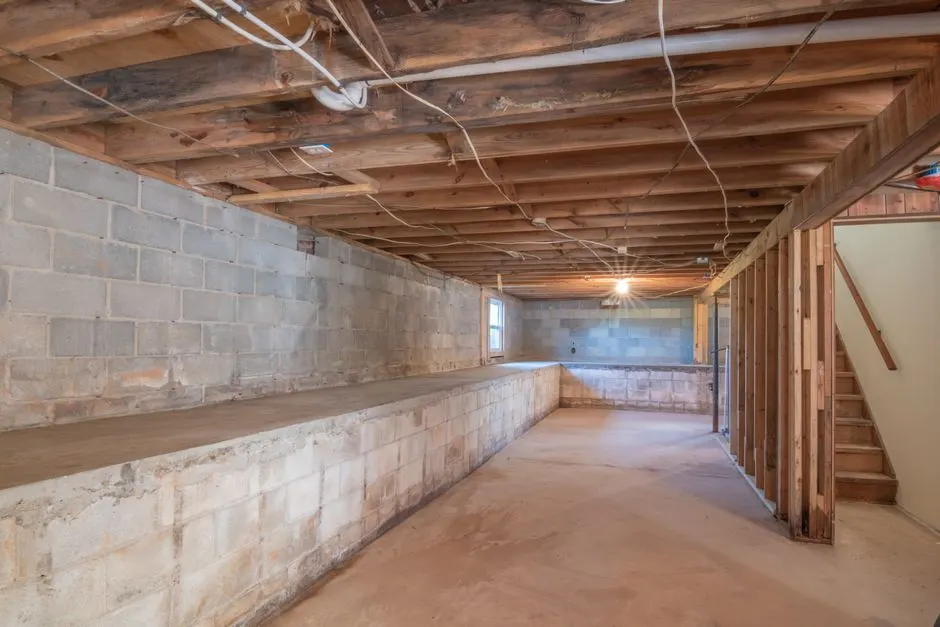



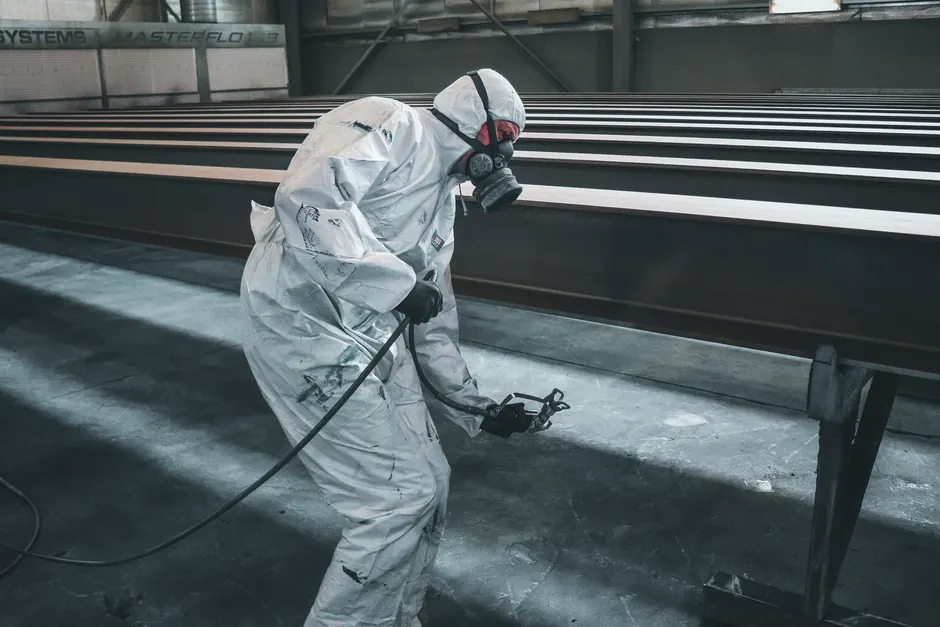
Cranham has a particular set of conditions that make spray foam go wrong. The village is rural and exposed, with driving rain on the western side of the Cotswolds and older stone roofs that were never designed to be sealed from the inside. Add a lot of retrofitted foam from the 2000s and 2010s and you get recurring problems. Here are the four we see most often. If you want the best spray foam removal Cranham has available, the fix starts with understanding which of these you have.
Foam sprayed between rafters seals the ventilation path that older Cotswold roofs rely on. Moisture from the house rises into the loft, cannot escape through the eaves, and condenses on the cold side of the foam. Over two or three winters it soaks into the timber.
Most high street lenders treat spray foam as a risk because it hides the roof structure and can void a building's breathability. In a commuter village like Cranham, where buyers are often on tight timelines, a lender flag can delay a chain by weeks.
Foam is often sprayed right into the eaves where the vents sit. That blocks the airflow the roof needs. Without it, condensation forms on the underside of the roof covering and drips onto insulation and ceiling joists.
Foam absorbs and holds water, so a small leak from a slipped tile or failed flashing can travel sideways through the foam before it shows on a ceiling. By the time it appears inside, the wet area is often much larger than the original leak.
Most people in Cranham do not realise they have a problem until a surveyor or a lender tells them. The physical signs are easy to miss because they happen inside the roof space. If you have noticed any of the following, it is worth booking an insulation assessment before it becomes a bigger repair. If you have already searched loft spray foam removal in Cranham, you are probably past the first sign on this list.
Condensation on the underside of the roof
Water beads on the felt or the foam itself after cold nights. That is a sign the eaves vents are blocked and moisture cannot escape. Left through a winter, it soaks into the rafters and starts rot. This one needs attention before the next cold snap.
Damp or musty smell in an upstairs room
A persistent musty smell in a bedroom or landing usually means moisture is sitting in the loft and migrating down. In Cranham's older cottages the smell often appears near the chimney breast first. It will not clear on its own.
Staining on ceiling joists or rafters
Brown or dark staining on timber in the loft means water has been sitting there. Foam hides the evidence until it is removed, so staining you can see is usually the tip of it. We check the full roof with a moisture meter.
A surveyor or lender has flagged the foam
This is the most common trigger in Cranham. A valuation report that mentions spray foam usually means the lender wants it gone before they will lend. The sooner it is removed, the sooner the purchase or remortgage can move.
Daylight visible through the roof covering
If you can see daylight through the felt or between tiles, the roof covering has failed or moved. Foam can mask this for years. We check for gaps once the foam is off and flag anything that needs a roofer.
Cranham is a small village with lanes that do not always follow the map, so we navigate by landmarks rather than postcodes. St James' Church is our main reference point for the Church Lane and village centre jobs. Cranham Primary School tells us we are near the village core and that we need to avoid the drop-off and pick-up windows. Cranham Park and the surrounding open space help us place properties on the eastern side of the village. For anything towards Painswick, we use the A46 and Painswick Road as our route in. If your property is down an unmarked lane, we will ask for a what3words reference or a landmark when you book.
The church is the clearest reference point in Cranham Village. We use it to locate properties on Church Lane and the surrounding lanes, and to plan parking where the road narrows near the churchyard.
The school marks the centre of the village and sets our timing. We avoid arriving during drop-off and pick-up so the van and extraction unit are not blocking the lane when families are about.
Cranham Park and the open ground around it help us orientate on the eastern side of the village. Properties backing onto the park often have rear access, which changes how we plan the equipment carry.
Painswick is the next village along and a useful marker for the western end of our coverage. Jobs described as being towards Painswick are usually reached via Painswick Road or the A46.
ZIP coverage on request — call to confirm.
Cranham sits high on the western edge of the Cotswolds, so it catches more wind and rain than Cheltenham town. That shapes when foam problems show up and when it is best to have them fixed. Autumn and winter are when most of our emergency calls come in. Spring and summer are when planned removals and lender jobs run most smoothly. Here is what to expect through the year.
Spring is when the damage from winter becomes visible. Damp patches on ceilings and musty smells in upstairs rooms often show up as the weather warms. It is also the start of the house-buying season in Cranham, so lender-driven surveys pick up.
Tip: Book an insulation assessment in March or April if you noticed any damp over winter. Getting the foam out before summer means the loft can dry fully before next winter.
Warm, dry weather makes removal easier and lets the roof space dry out properly after the foam is gone. It is the best time for larger jobs such as barn conversions or warehouse roofs, where we need good conditions for extraction and timber checks.
Tip: If you are planning a loft conversion or a re-insulation project, summer is the time to strip the old foam so the new system can go in before autumn.
Driving rain and the first cold nights expose blocked vents and hidden leaks. Calls about staining on ceilings and damp smells rise sharply from October onwards. This is when foam that has been holding water all summer starts to cause visible damage.
Tip: Have the loft checked before the first hard frost. A moisture meter reading in October tells you whether the timber is dry enough to leave or needs the foam out now.
Condensation is at its worst. Cold roof surfaces and warm, moist air inside the house create the conditions for water to form on the underside of the foam and felt. Any existing rot accelerates. Emergency calls for leaks tracking through foam peak between December and February.
Tip: If water is coming through a ceiling, call us rather than waiting for spring. We run 24/7 cover and can remove the saturated section to stop the damage spreading.
Cranham sits on the western edge of Cheltenham, so our coverage runs from the village into the town and out towards Stroud. We work the same streets every week, which means we know the roof types, the parking and the surveyors. If you are just outside the village, there is a good chance we already cover your area.
(City)
About 15 minutes from Cranham into Cheltenham. Montpellier's larger Victorian villas often have loft foam and complex roof shapes, so we treat them as a separate job type.
View Montpellier(City)
A short run down the A46 and into town. Lansdown properties tend to be larger with multiple roof voids, and we often combine a Cranham job with a Lansdown visit in the same day.
View Lansdown(City)
Roughly 20 minutes from Cranham. Pittville has a mix of Regency and later housing where foam was retrofitted, and the roof constructions need a careful survey before removal.
View Pittville(City)
A neighbouring area to the east of Cheltenham, about 15 minutes from Cranham. We cover Charlton Kings on the same schedule as the village and often quote both together.
View Charlton Kings(City)
About 20 minutes from Cranham. Leckhampton has a lot of family housing with loft conversions, and foam in those roofs is usually closed cell and bonded hard.
View Leckhampton(City)
A short drive from Cranham towards Gloucester. Benhall's post-war housing has straightforward trussed roofs, which makes for quicker foam removal jobs.
View BenhallReal answers from our team for the questions we hear most often before a job starts.
If a surveyor has flagged foam in your Cranham loft, or you have spotted damp staining and a musty smell upstairs, call us on 01242 375143. We survey, quote in writing the same day, and carry CHAS and Constructionline accreditation with 2 million pounds of public liability cover. Same-day and 24/7 slots are available across Cranham Village, Church Lane, Cranham Lane and Painswick Road. We have been removing foam in Gloucestershire since 2021 and we know what your lender needs to see.
Call us on 01242375143 or email info@sprayfoamheritagehomes.com and we will arrange a free survey at your Cheltenham property. Our phone line is answered 24/7, and we aim to book surveys within 48 hours across Gloucestershire. If you have photos of the foam, send them over and we can often give you an initial view before we visit.
Phone
01242375143Address
15-21 Clarence Street, Cheltenham, GL50 3JL, UK, Cheltenham, Gloucestershire
Hours
Mon–Fri: 7AM – 7PM
Sat: 8AM – 4PM
Sun: Emergency Only
24/7 Emergency Available