Churchdown Park
A central open space that we use as a routing marker. Jobs on the streets around the park are easy to reach, and it helps us avoid the busiest school-run junctions.
Spray foam removal in Churchdown Gloucestershire is a specialist job, and we have been doing it here since 2021. Churchdown is a large village sitting between Cheltenham and Gloucester, and its housing stock tells the story: 1960s and 1970s semis around Parton Road and St John's Lane, plus newer infill near Hucclecote Road, many of them with lofts that were spray-foamed a decade ago. That foam has now aged, cracked and started trapping moisture against the roof timbers. We remove open cell spray foam, closed cell spray foam and polyurethane foam, then check the rafters with a moisture meter and thermal imaging camera before we call the job done. Whether you need Churchdown spray foam removal for a mortgage valuation or spray foam insulation removal Churchdown Gloucestershire for a loft conversion, we handle the whole extraction, bagging and disposal on site.
If you have searched for spray foam removal near me in Churchdown, you are in the right place. We cover every foam type and every roof build we have found across the village, from 1960s trussed rafters to modern attic rooms. Below is what we run most often in GL3, and how each one works on a typical Churchdown property.












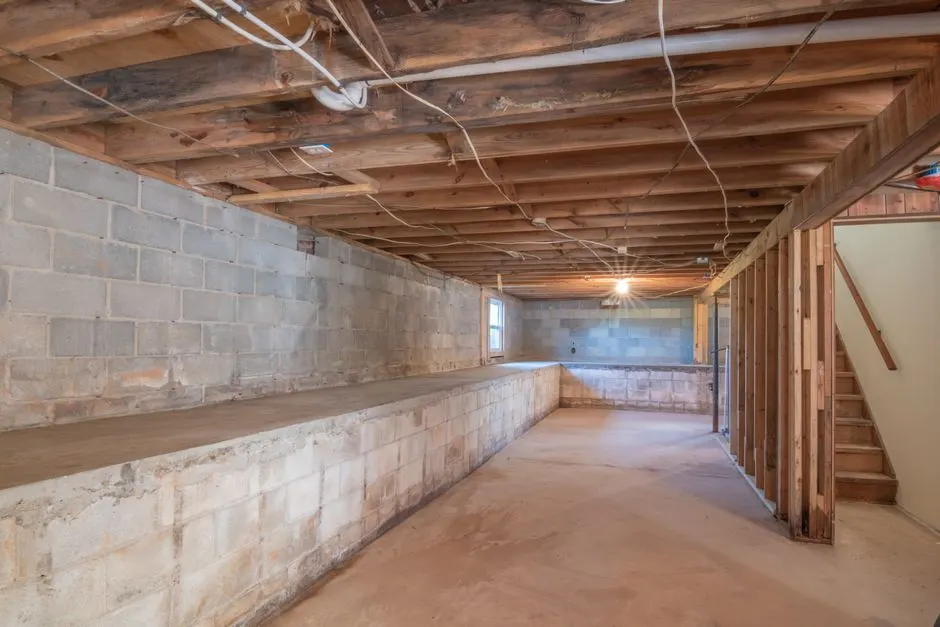
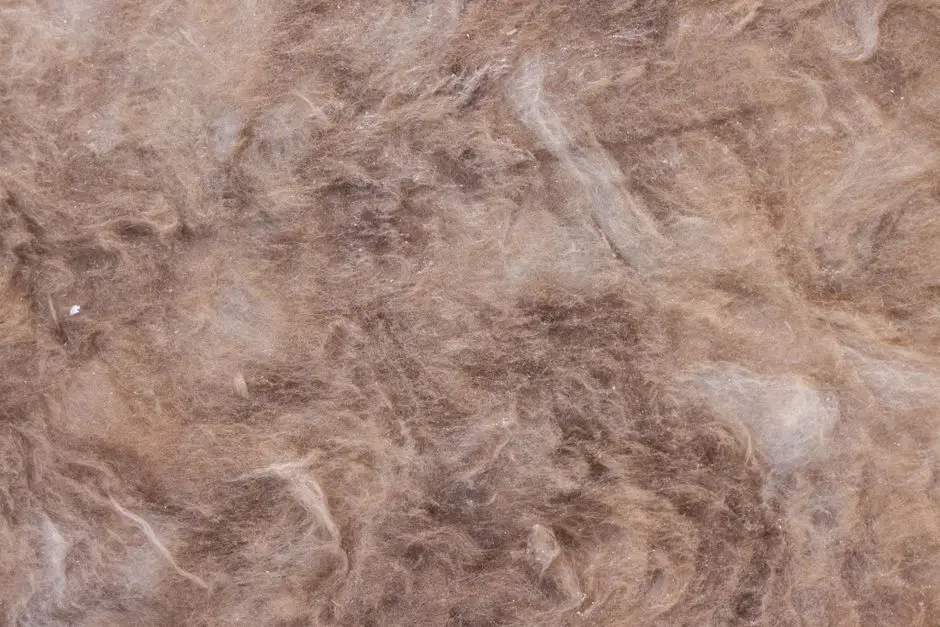


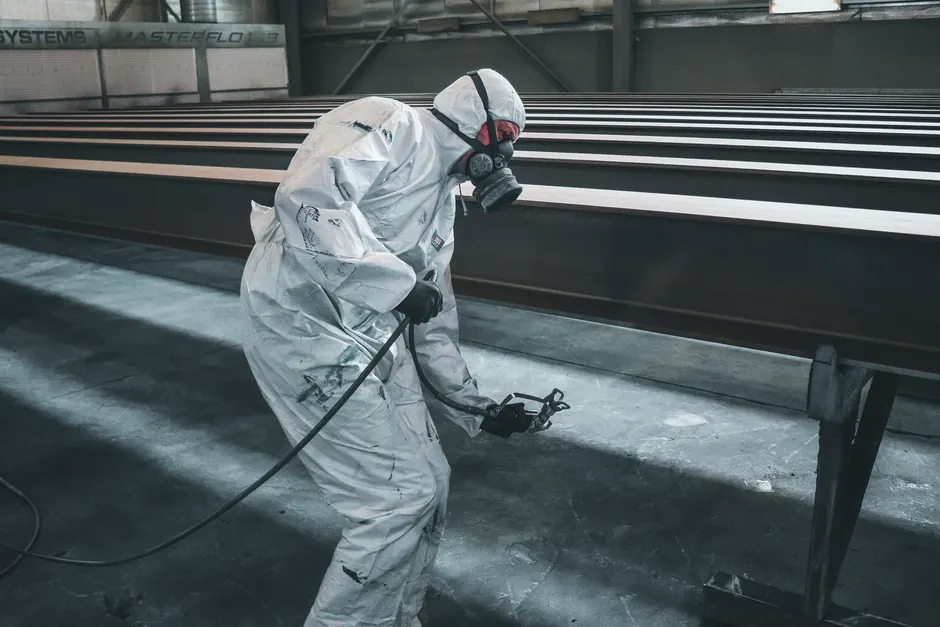
Churchdown's mix of post-war semis and newer homes throws up a predictable set of foam problems. The village sits between Cheltenham and Gloucester, so it catches plenty of wind-driven rain from the west, and many lofts were foamed before ventilation was properly considered. Here are the four issues we see most often.
Installers often spray foam right over the soffit vents, sealing the loft. Without airflow, moisture from the house condenses on the cold roof surface and drips onto the timbers and boards.
Once ventilation is blocked, moisture sits against the rafters. In older Churchdown roofs with untreated timber, that can lead to rot within a few seasons, especially after a wet winter.
Lenders treat spray foam in a roof as a risk because of ventilation and timber concerns. A surveyor's report flagging foam can stall or kill a sale, even when the foam looks fine on the surface.
Closed cell foam shrinks and cracks as it ages, breaking the seal and letting warm air reach the cold roof. The foam then traps moisture rather than keeping the loft warm, so heating bills go up and damp appears.
Foam does not always fail loudly. Most Churchdown homeowners notice one of these five things before they call us, and each one points to a different underlying problem. If you have searched for spray foam removal near me in Churchdown, start with this list.
Damp patches on loft boards or ceilings
Foam over the eaves blocks ventilation, so moisture condenses on the cold side of the roof and drips down. It usually shows first on the boards or the ceiling below. Treat it early before the timber starts to rot.
Foam cracking or pulling away from rafters
Older foam shrinks and cracks as it ages, which breaks the seal and lets warm air reach the cold roof surface. Once it cracks, it stops insulating properly and starts trapping moisture instead.
Musty smell in the loft or upstairs rooms
A damp, earthy smell usually means trapped moisture and early mould growth on the timbers. It gets worse in winter and will not clear on its own once the ventilation path is blocked.
Mortgage lender or surveyor flags the foam
Many lenders refuse to lend on properties with spray foam in the roof because of ventilation and timber risk. If your buyer's surveyor has raised it, removal with a written report is usually the fastest way to unblock the sale.
Condensation on roof felt or windows
Water beading on the underside of the roof felt means warm moist air is reaching a cold surface. Foam often causes this by sealing the loft too tightly. A moisture meter reading confirms whether the timbers are affected.
Churchdown is easy to get around once you know the landmarks. We use Churchdown Park and St Bartholomew's Church as our main reference points when routing to jobs, and Churchdown School helps us plan around the morning and afternoon traffic on the surrounding streets. Hucclecote Road is our usual approach from the Gloucester side, and it also marks the edge of the commercial units we cover for warehouse foam removal.
A central open space that we use as a routing marker. Jobs on the streets around the park are easy to reach, and it helps us avoid the busiest school-run junctions.
A long-standing village landmark near the older part of Churchdown. We use it to orient ourselves when heading to properties in the historic core and the lanes behind it.
A useful timing marker. We schedule arrivals outside drop-off and pick-up windows where possible, because the surrounding roads get congested at those times.
The main route in from the Gloucester side and the edge of the village's commercial units. It is our default approach for larger jobs and warehouse foam removal.
ZIP coverage on request — call to confirm.
Churchdown gets the full Gloucestershire weather cycle: wet winters, mild springs and occasional hot spells in summer. Each season changes what we find in a loft, and it changes the best time to book a removal. If you are searching for loft spray foam removal in Churchdown, the season you book in matters more than you might think.
After a wet winter, lofts often show damp patches and early mould on the timbers. Spring is when most Churchdown homeowners notice the problem and start getting quotes.
Tip: Book an assessment in March or April so the roof can dry out over the warmer months before you re-insulate.
Warm, dry weather makes removal easier because the loft is drier and the foam is more pliable. It is also the best time to check ventilation and let timbers dry after removal.
Tip: If you have a mortgage deadline in autumn, book the removal in summer to leave time for the report and any follow-up work.
As temperatures drop, condensation returns to any loft with blocked ventilation. Damp patches that disappeared in summer often reappear in October and November.
Tip: Get the foam removed before the cold sets in. A dry loft going into winter is far less likely to develop timber rot.
This is when trapped moisture does the most damage. Cold roof surfaces and warm indoor air create heavy condensation, and any existing rot gets worse. Emergency calls go up.
Tip: If you spot drips or a musty smell in winter, call us on 01242 375143 rather than waiting for spring. Early removal limits the damage to the timbers.
Churchdown sits between Cheltenham and Gloucester, so we treat the whole corridor as one service area. If you are just outside the village, we almost certainly cover your street too.
(City)
About 6 miles south-west of Churchdown, in Cheltenham. We cover Montpellier on the same round as our Churchdown jobs.
View Montpellier(City)
Roughly 7 miles from Churchdown, on the Cheltenham side. Common for period homes with older roof structures.
View Lansdown(City)
About 7 miles away in Cheltenham. Larger Victorian properties where loft access and ventilation need careful planning.
View Pittville(City)
Around 8 miles south-east of Churchdown. We often pair Charlton Kings jobs with Churchdown visits on the same day.
View Charlton Kings(City)
About 7 miles from Churchdown. A mix of older and newer homes, many with loft foam from the same era as Churchdown's.
View Leckhampton(City)
Roughly 5 miles away, close to Churchdown on the Cheltenham side. Easy to combine with a village job in one trip.
View BenhallReal answers from our team for the questions we hear most often before a job starts.
If your loft has foam that is trapping moisture, blocking ventilation or holding up a mortgage, we can help. We have worked across Churchdown since 2021, we survey every job before quoting, and we leave the loft clean and documented. Call 01242 375143 or send us a message and we will book an assessment at a time that suits you.
Call us on 01242375143 or email info@sprayfoamheritagehomes.com and we will arrange a free survey at your Cheltenham property. Our phone line is answered 24/7, and we aim to book surveys within 48 hours across Gloucestershire. If you have photos of the foam, send them over and we can often give you an initial view before we visit.
Phone
01242375143Address
15-21 Clarence Street, Cheltenham, GL50 3JL, UK, Cheltenham, Gloucestershire
Hours
Mon–Fri: 7AM – 7PM
Sat: 8AM – 4PM
Sun: Emergency Only
24/7 Emergency Available