Balcarras School
A useful reference point for the northern side of Charlton Park. We use it to plan around school-run traffic, since the roads around it get congested at drop-off and pick-up and that affects where we can park a van or skip.

Spray foam removal in Charlton Park Gloucestershire is the job of taking failed polyurethane foam out of a loft, roof or cavity wall and putting the building back to a state a surveyor and a mortgage lender will accept. We have worked Charlton Park and the surrounding GL53 8 and GL53 9 streets since 2021, and most of our call-outs here start the same way: a homeowner is selling, the buyer's surveyor flags spray foam in the roof, and the lender refuses to lend until it is gone. We handle the whole removal, not just the foam. That means dry ice blasting machines and thermal removal tools for the bulk of it, an industrial vacuum and air scrubber to keep dust out of your bedrooms, and a boroscope and moisture meter to check whether the rafters have been sitting wet behind the foam. If the timbers are sound, we treat them and leave the roof breathing again. If there is rot, we tell you straight away and price the repair before we start. Charlton Park spray foam removal is not a job for a pressure washer and a mate with a van. Get it wrong and you void your roof warranty and lose the sale.
Every Charlton Park job starts with an assessment, because open cell and closed cell foam come out differently and the roof structure decides the method. If you have been searching for spray foam removal near me in Charlton Park and want a straight answer on cost and timescale, we can usually give you both the same day we look at it. Most lofts here take one to two days from setup to clean-down.
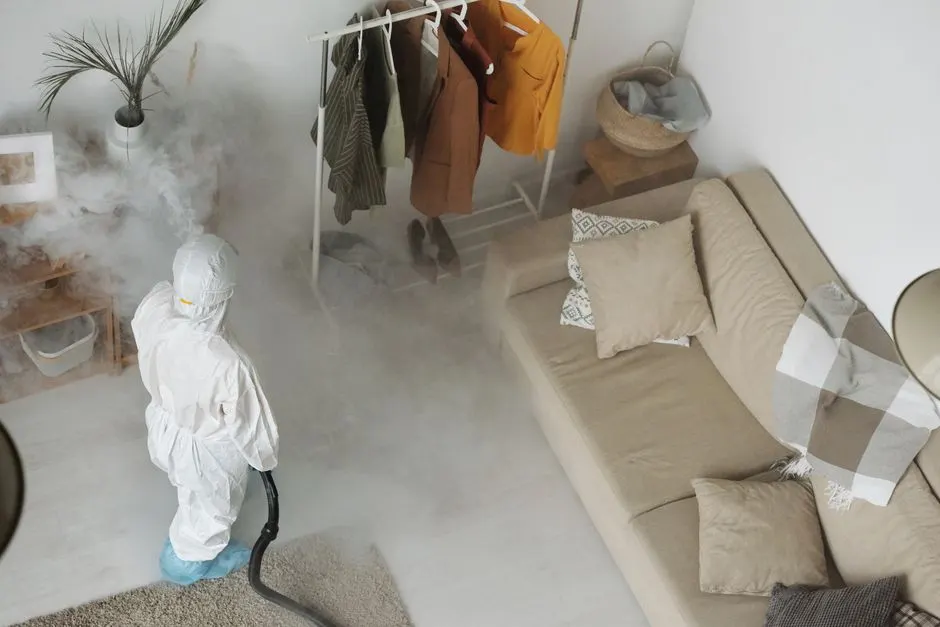




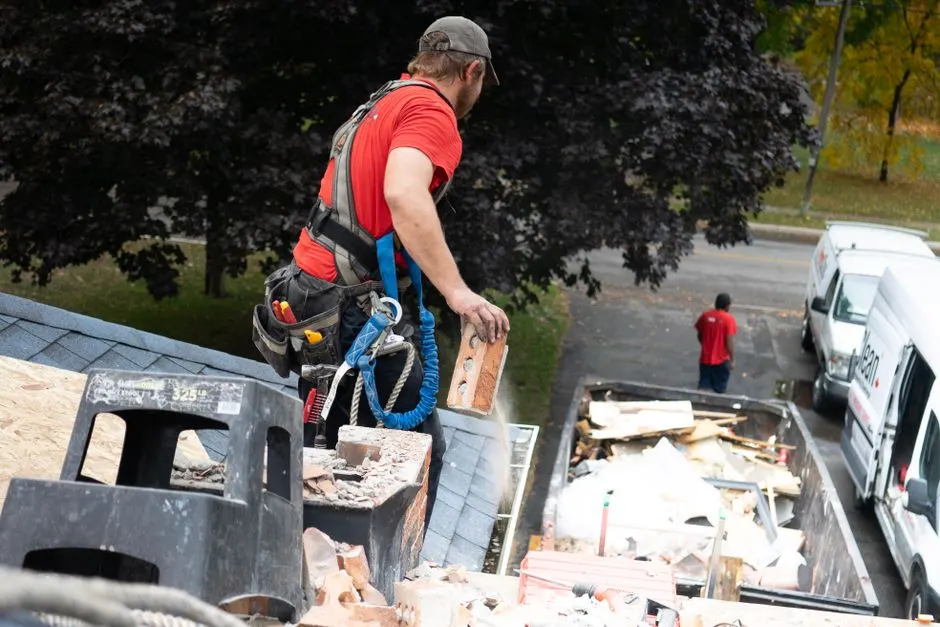





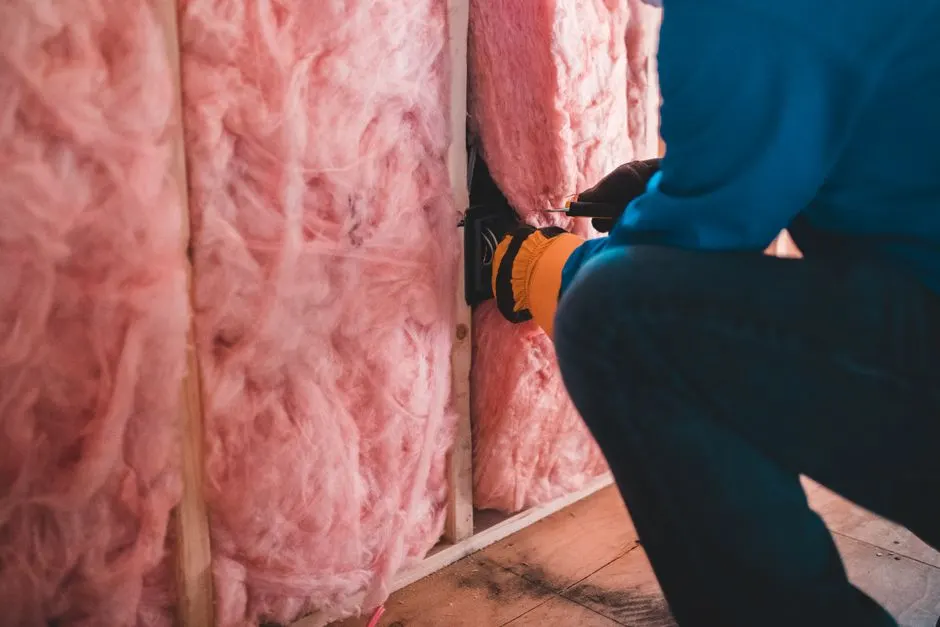


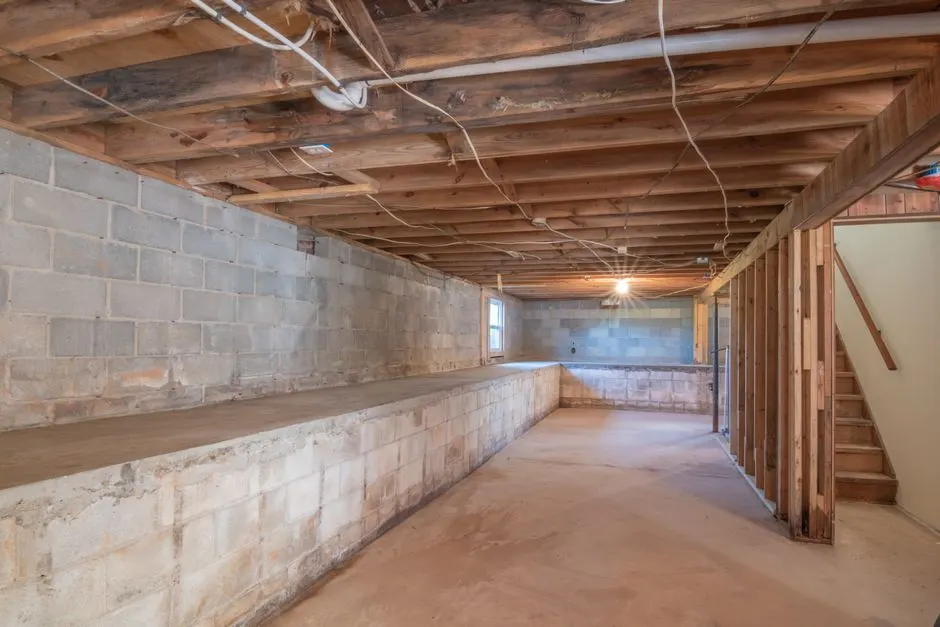
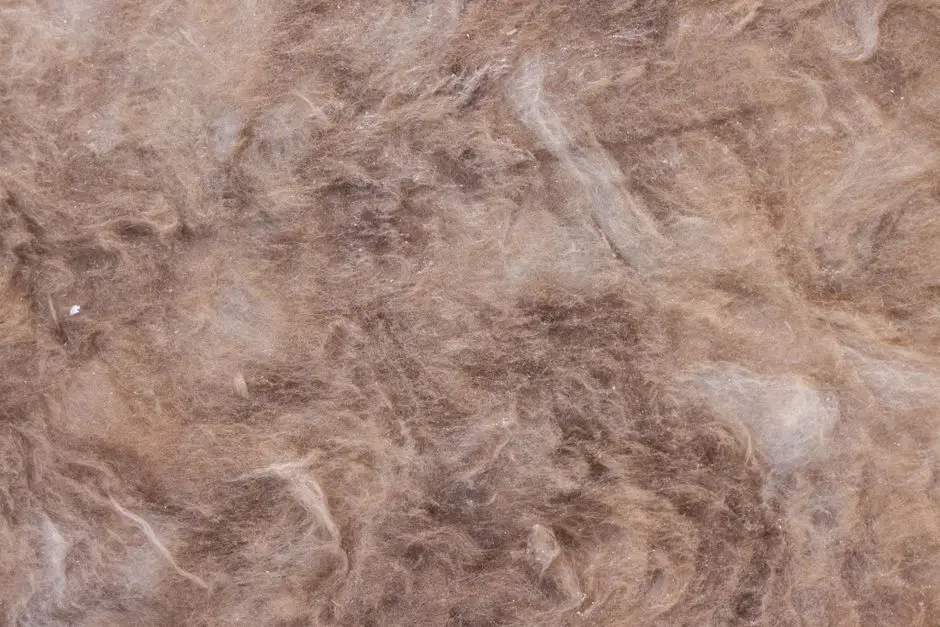


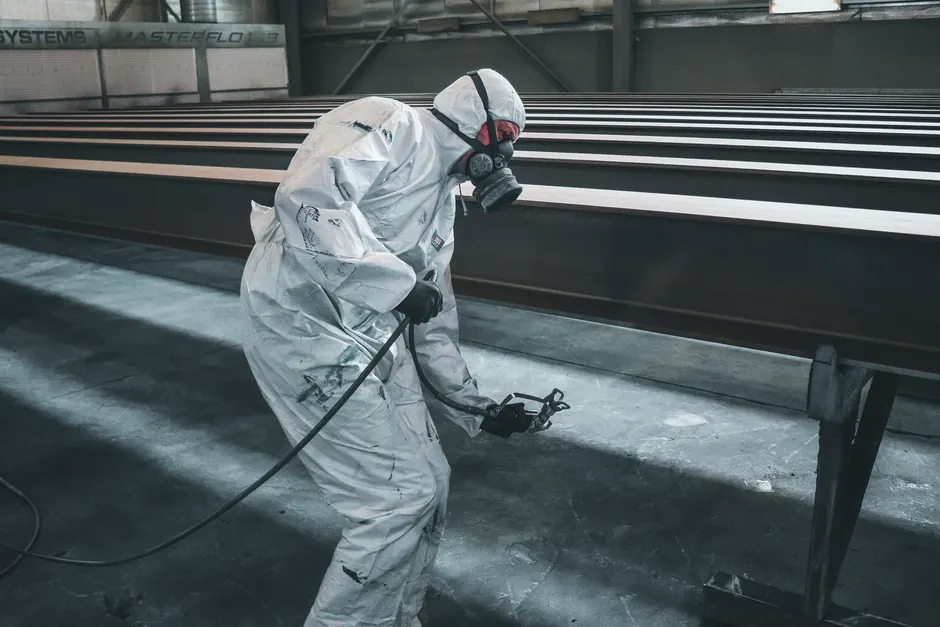
Charlton Park has a particular combination of older roofs, tight ventilation and a housing market that moves fast. That combination is why we see the same four problems again and again. If you want affordable spray foam removal in Charlton Park, understanding which of these applies to your house is the first step.
Lenders treat spray foam as a material risk because it can trap moisture against timber and hide structural problems. In a fast-moving market like Charlton Park, a surveyor's flag can stall a sale within days, and buyers often walk away rather than wait.
Most Charlton Park roofs were built with felt and limited ventilation. Spray foam seals the roof deck, so warm moist air from the house cannot escape and condenses on the cold timber. Over a few winters that leads to rot in the rafters and battens.
Foam is often sprayed right down to the eaves, sealing the fascia vents that are supposed to let air move through the roof space. Without that airflow, condensation builds up regardless of how good the insulation is, and the problem returns even after a partial removal.
Foam soaks up and holds water, so a small leak from a flashing or a cracked tile can go unnoticed for months. By the time a damp patch appears on the ceiling, the timber underneath has often been wet for a long time and the damage is more extensive.
Most Charlton Park homeowners do not realise they have a problem until a surveyor or a lender tells them. If any of the following sound familiar, it is worth getting an assessment before it costs you a sale or a roof. If you have been searching for spray foam removal near me in Charlton Park, these are the triggers we see most often.
Surveyor flags foam in the roof
This is the most common trigger in Charlton Park. Lenders treat spray foam as a risk because it can trap moisture and hide rot, so they refuse to lend until it is removed and the timbers are inspected. Act quickly, because a stalled sale costs more than the removal.
Damp patches on upstairs ceilings
Foam blocks the roof's ability to breathe, so moisture condenses on the underside of the roof deck and eventually shows through the ceiling. In Charlton Park's older houses this often appears first in a back bedroom or over a dormer.
Condensation on roof timbers in the loft
If you go into the loft on a cold morning and the rafters are wet to the touch, the foam has blocked ventilation. Left alone, that moisture soaks into the timber and starts rot. A moisture meter reading above 20 percent means it needs attention now.
Musty smell in the loft or landing
A persistent damp, musty smell usually means trapped moisture and early timber rot behind the foam. It is easy to ignore because it comes and goes with the weather, but it rarely fixes itself and often gets worse through the winter.
Foam cracking or pulling away from rafters
When foam shrinks and cracks, it stops insulating properly and lets warm moist air reach the cold roof deck. That accelerates condensation and can mean the foam is no longer doing its job. Cracks are also a sign the bond to the timber is failing, which makes removal easier.
Charlton Park is easy to navigate once you know the landmarks, and we use them to route crews and plan parking. Balcarras School and St Mary's Church are our two main reference points when we are arranging access, and Charlton Kings Common tells us which side of the estate we are working on. If you are giving directions, mention the nearest of these and we will find you.
A useful reference point for the northern side of Charlton Park. We use it to plan around school-run traffic, since the roads around it get congested at drop-off and pick-up and that affects where we can park a van or skip.
A landmark for the older part of Charlton Park, close to several of the 1930s semis we work on. It helps us identify the right turning when a customer's address is on one of the smaller residential streets nearby.
Marks the southern edge of our coverage area. Properties backing onto the common tend to have larger roof spans and more exposed positions, which affects scaffolding and wind loading on the day of the job.
ZIP coverage on request — call to confirm.
Charlton Park sits on the edge of the Cotswolds, so it gets cold, damp winters and warm, humid summers. That cycle is hard on foam-filled roofs, and it shapes when we get called out. If you are weighing up the cost of spray foam removal in Charlton Park Gloucestershire, the season you book in can affect both the price and the timescale.
Spring is when the housing market picks up in Charlton Park, so surveyor-driven foam removal jobs spike. Damp patches that appeared over winter are still visible, which makes assessment easier. Rain can delay scaffolding and roof work.
Tip: Book your assessment early in the season if you are planning to sell. If you have seen damp patches over winter, get them looked at before the foam hides more damage.
The best conditions for roof work. Long dry days mean scaffolding goes up quickly and dry ice blasting is more comfortable for the crew. It is also our busiest period, so lead times stretch to a week or more for non-urgent jobs.
Tip: If your removal is not urgent, book in early summer to avoid the August rush. If you are selling in autumn, get the foam out now rather than waiting for the surveyor's report.
Temperatures drop and condensation starts appearing on roof timbers again. This is when homeowners notice musty smells in the loft and damp patches on ceilings. Demand rises as sellers try to complete before Christmas.
Tip: Check your loft on the first cold morning and look for moisture on the rafters. If you find any, book an assessment before the winter makes it worse.
Cold, wet weather and short days make roof work slower and riskier. Condensation inside foam-filled roofs peaks, and we see the worst timber rot cases in January and February. Emergency call-outs for leaks rise sharply.
Tip: Keep the loft hatch closed and avoid drying laundry in the loft, as both push more moisture into the roof space. If water is coming through, call our 24/7 line rather than waiting for spring.
Charlton Park sits within a compact service area, which means we can cover a wide patch without long travel times or inflated call-out charges. If you are just outside Charlton Park, we almost certainly work your street too.
(City)
About ten minutes west of Charlton Park, with a similar mix of period housing and the same mortgage-lender pressure on foam-filled roofs.
View Montpellier(City)
A short drive north-west, where larger Victorian and Edwardian houses often have complex roof shapes that make foam removal slower.
View Lansdown(City)
North of Charlton Park, with a lot of period property and the same surveyor-driven demand for foam removal before a sale completes.
View Pittville(City)
Directly adjacent to Charlton Park and effectively part of the same patch. We often run two jobs across both in a single day.
View Charlton Kings(City)
West of Charlton Park, with family housing and a steady flow of loft foam removal jobs, usually booked through the same surveyor referrals.
View Leckhampton(City)
A short hop north-west, where post-war housing has similar loft and cavity foam problems to the Charlton Park estate.
View BenhallReal answers from our team for the questions we hear most often before a job starts.
If a surveyor has flagged foam in your roof, or you have spotted damp patches on an upstairs ceiling, do not wait for the sale to fall through. We assess for free across Charlton Park, Charlton Kings and Ryeworth, give you a fixed price the same day, and back every removal with a 5-year workmanship warranty. Call 01242 375143 or send us a message and we will book you in, usually within 48 hours.
Call us on 01242375143 or email info@sprayfoamheritagehomes.com and we will arrange a free survey at your Cheltenham property. Our phone line is answered 24/7, and we aim to book surveys within 48 hours across Gloucestershire. If you have photos of the foam, send them over and we can often give you an initial view before we visit.
Phone
01242375143Address
15-21 Clarence Street, Cheltenham, GL50 3JL, UK, Cheltenham, Gloucestershire
Hours
Mon–Fri: 7AM – 7PM
Sat: 8AM – 4PM
Sun: Emergency Only
24/7 Emergency Available