Cleeve Hill
The high ground above the village is our main orientation point. If a job is on the hill side of Bishops Cleeve, we know to expect exposed roofs, more weather-driven damp and longer hose runs from the van.

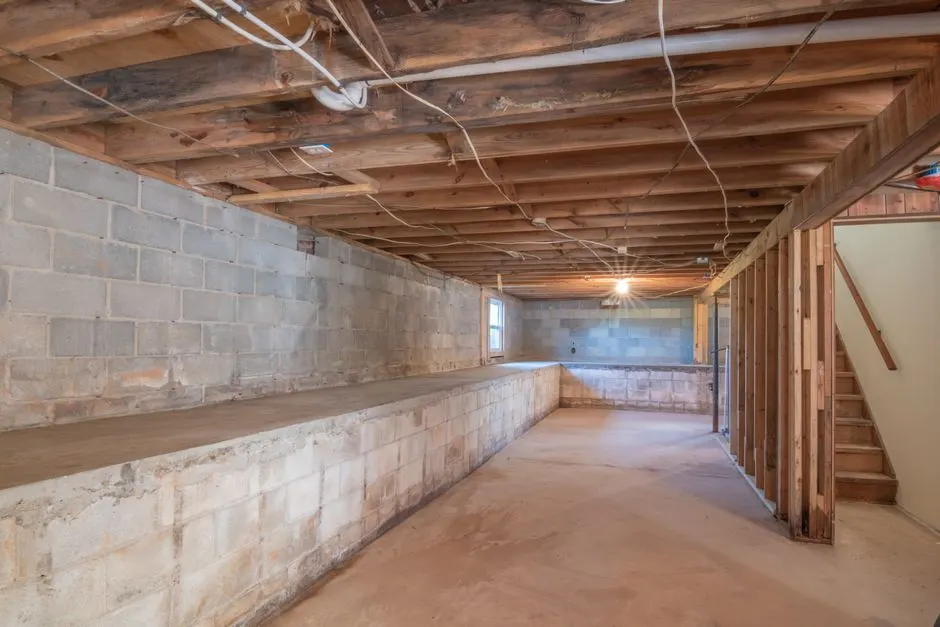
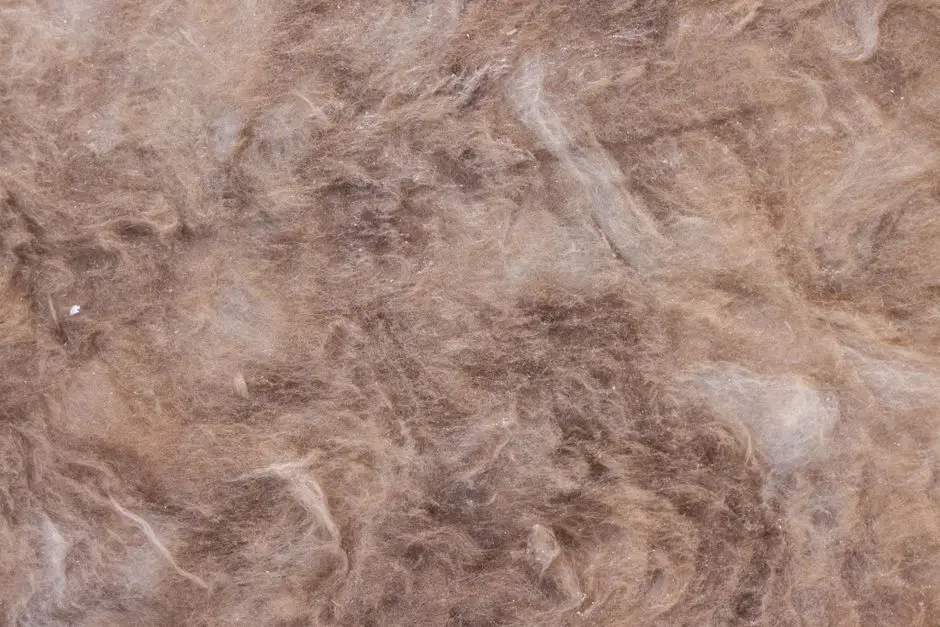
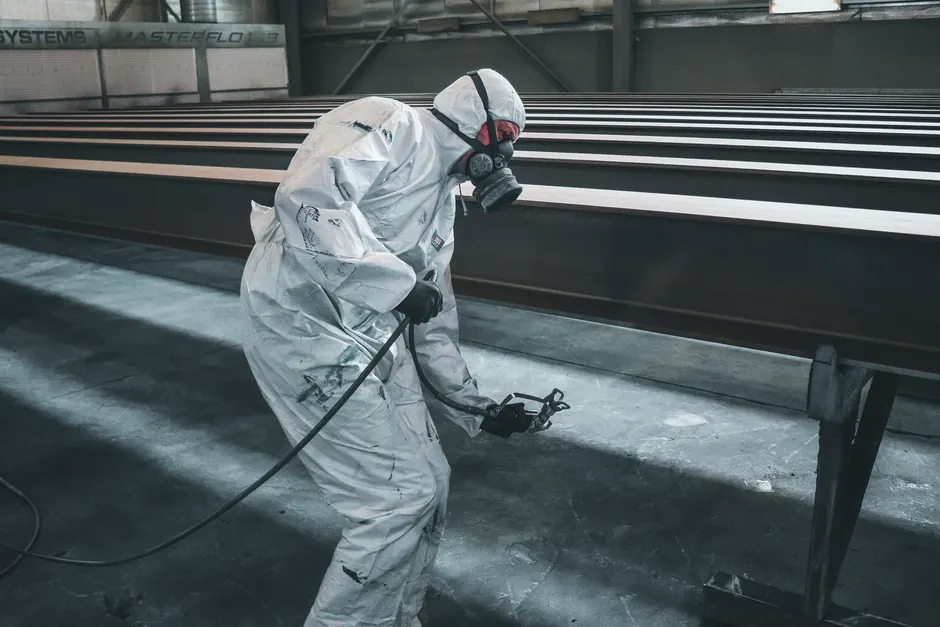
Spray foam removal in Bishops Cleeve Gloucestershire is a specialist job, and it is one we have handled since 2021 across the village and the surrounding Cotswold edge. Bishops Cleeve is a large village with a mix of 1960s and 1970s semis, newer estates built through the commuter belt boom, and older stone properties closer to St Michael's Church. Each one behaves differently when foam has been sprayed into a loft. The newer houses often have tight roof voids with limited ventilation, while the older stock tends to have cut timbers and no vapour barrier at all. We survey first, then remove. That means a boroscope into the eaves, a thermal imaging camera across the ceiling line, and a moisture meter on every rafter we can reach. If the foam is open cell, it usually comes out with thermal removal tools and an industrial vacuum. Closed cell polyurethane foam, the Icynene and Lapolla type that sets hard, needs dry ice blasting or sand blasting equipment to break the bond without gouging the timber. We carry both. Whether you are in Bishops Cleeve Village, up towards Cleeve Hill, or on Gotherington Lane, you get the same process and the same clean finish.
Every spray foam removal service we offer is available across Bishops Cleeve, from the village centre out to the new build estates. If you have been searching for spray foam removal near me in Bishops Cleeve and want a straight answer on cost or timescale, call us and we will tell you over the phone. Most loft jobs are booked within a week, and urgent mortgage-driven removals can be brought forward.
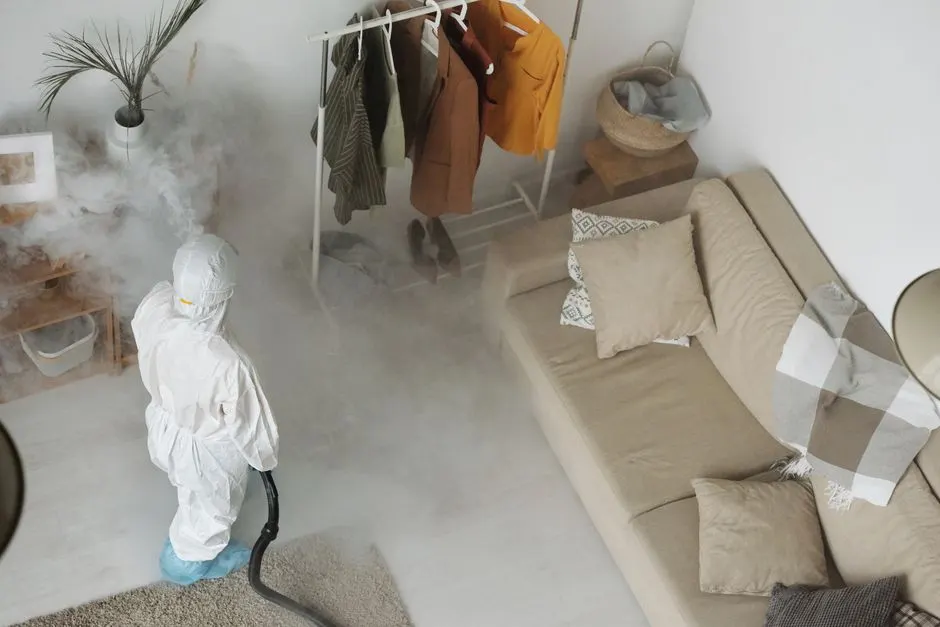





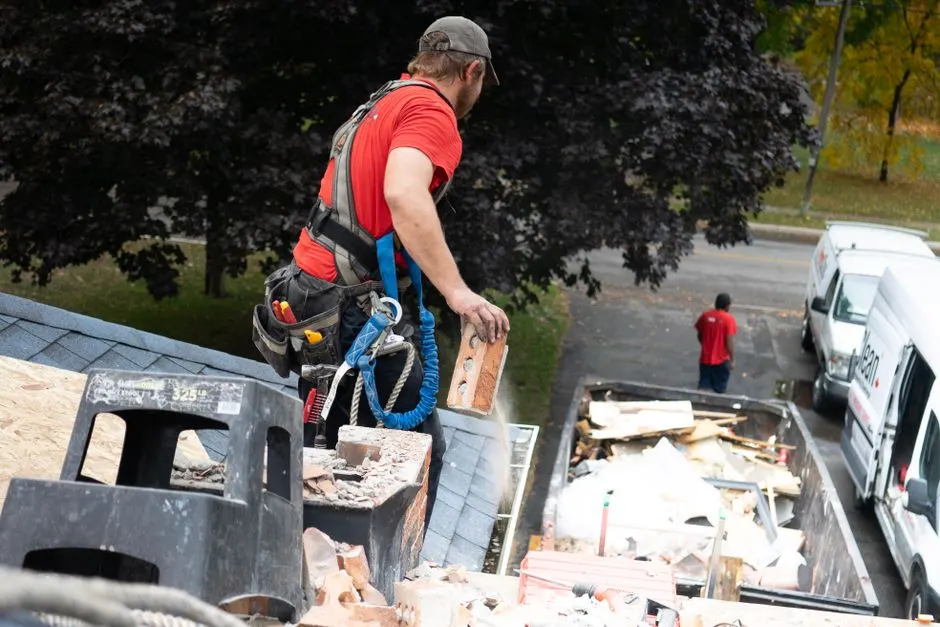




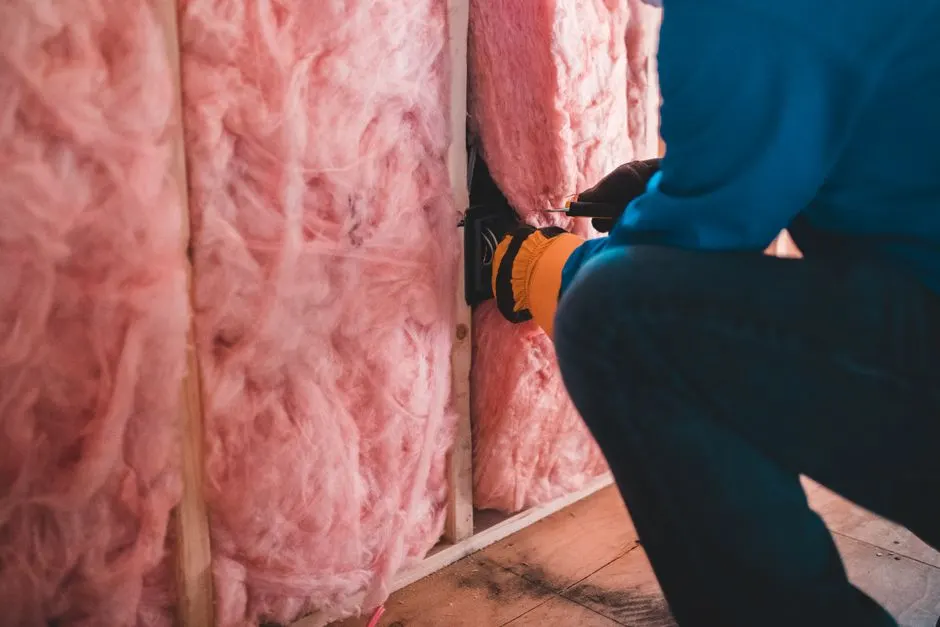




Bishops Cleeve has a particular set of conditions that make spray foam problems show up more often than in other parts of Gloucestershire. The village sits on the Cotswold edge, so it takes wind-driven rain, and the housing mix ranges from stone cottages to shallow-pitch new builds. Add a large commuter population buying and selling regularly, and you get a steady stream of lender-driven removals. These are the problems we see most.
Newer estates along Gotherington Lane were built with shallow roof pitches and small eaves gaps. Foam sprayed into the void seals the only air path the roof has, so moisture from the house has nowhere to go and condenses on the felt.
Foam traps water against rafters, and Bishops Cleeve's weather pushes plenty of it into roof voids. Rot usually starts at the eaves and the rafter feet, where ventilation is worst and the timber is closest to the wall plate.
Most major lenders will not release funds on a property with spray foam in the roof, and surveyors across Gloucestershire flag it as a defect. This stalls sales in Bishops Cleeve, which has a large commuter population buying and selling regularly.
Foam sprayed directly onto roof felt or tiles hides failing flashing and tired felt. Water tracks sideways along the rafter instead of dripping straight down, so the first sign is often a stain well away from the actual leak.
Not every foamed loft needs urgent attention, but some signs should not wait. If you have spotted any of the following in your Bishops Cleeve home, it is worth booking an insulation assessment rather than hoping it settles down. Left alone, trapped moisture and blocked ventilation get worse every winter, and the repair bill grows with them.
Condensation on loft boards or rafters
Water beading on the underside of your roof or on loft boards usually means the foam has sealed the ventilation path. Warm moist air from the house can no longer escape, so it condenses on the coldest surface it finds. This is the earliest warning sign and the cheapest to fix.
Damp patches spreading on ceilings
A brown stain that grows across a bedroom ceiling often points to moisture trapped above it by foam. The foam hides the leak path, so the stain appears somewhere unexpected. Book a survey before the plasterboard softens and needs replacing.
A musty smell in upstairs rooms
That damp, earthy smell is usually fungal growth starting on timbers or stored items in the loft. It means moisture has been sitting against the wood for months, not days. The longer it stays, the more likely you are to need timber treatment as well as removal.
Mortgage valuation or survey flags the foam
Lenders across Gloucestershire routinely refuse to lend on homes with spray foam in the roof. If your buyer's surveyor has raised it, the sale usually stalls until the foam is gone and the void is verified. We provide the certificate your solicitor needs.
Foam is cracking or pulling away from rafters
When closed cell foam shrinks and separates from the timber, it stops insulating and starts trapping air and moisture in the gap behind it. Cracks also let water travel sideways along the rafter. Removal is the only reliable fix at this stage.
Bishops Cleeve is a large village, and knowing it properly saves time on every job. We use Cleeve Hill as our main orientation point when we are routing crews, and the village centre around Bishops Cleeve Library and St Michael's Church tells us which side of the village we are working. Cleeve School is the other marker we watch, because the roads around it get busy twice a day and we plan arrivals around that. If you are on a street we have not worked before, we will still find you without a fuss.
The high ground above the village is our main orientation point. If a job is on the hill side of Bishops Cleeve, we know to expect exposed roofs, more weather-driven damp and longer hose runs from the van.
A useful marker for the village centre. Jobs within a few streets of the library are usually the older properties with tighter loft access, so we allow extra time for the survey and the removal.
Sits at the historic heart of the village. Streets around the church tend to be the oldest housing stock in Bishops Cleeve, which means hand removal rather than machine work in most lofts.
The school anchors the northern side of the village. We avoid scheduling arrivals and departures during the school run because the surrounding roads become difficult for a loaded van.
ZIP coverage on request — call to confirm.
Spray foam problems in Bishops Cleeve follow a clear seasonal pattern. Autumn and winter are when damp and condensation complaints spike, while spring and summer are when surveys and mortgage-driven removals get booked. Knowing what to expect each season helps you plan the work rather than react to it.
Spring is when the damp patches from winter start to dry out and become visible as tide marks on ceilings. It is also the busiest season for property sales in Bishops Cleeve, so lender-driven removal bookings climb sharply from March onwards.
Tip: Book your survey in early spring if you are planning to sell. It gives you time to complete the removal before your buyer's valuation, rather than scrambling after an offer is accepted.
Warm, dry weather makes loft work faster and cleaner, and it is the easiest time to ventilate a roof void after removal. Closed cell removal in particular is more comfortable for the crew and quicker to complete in summer.
Tip: If your loft has been flagged but is not urgent, summer is the cheapest and quickest time to get it done. We can often fit jobs in within a few days.
As temperatures drop, condensation returns to any loft with blocked ventilation. This is when Bishops Cleeve homeowners start noticing damp smells and ceiling stains again after a dry summer. Demand rises through October and November.
Tip: Get the survey done before the cold sets in. Removing foam in autumn means the void is clear and ventilating properly before the worst of the winter moisture arrives.
Winter is when trapped moisture does the most damage. Rot spreads faster in cold, damp conditions, and any leak hidden by foam will show itself. Emergency call-outs for water tracking through roofs peak between December and February.
Tip: If you spot a new ceiling stain in winter, do not wait for spring. Call us for an assessment, because the difference between a repair and a replacement is often a matter of weeks.
Bishops Cleeve sits in the middle of our service area, and we run crews across Cheltenham and the surrounding villages most days. If you are just outside the village, you are still likely to be within our normal call-out range, and the same survey and removal process applies wherever you are.
(City)
About 20 minutes south of Bishops Cleeve. We regularly move between the two, and Montpellier customers often come to us through the same lender-driven referrals.
View Montpellier(City)
Roughly 15 to 20 minutes away. Lansdown's larger period homes often need the same closed cell removal we do in Bishops Cleeve's older properties.
View Lansdown(City)
Around 15 minutes from the village. Pittville's older housing stock shares the tight loft access problems we see near St Michael's Church.
View Pittville(City)
About 20 minutes south east. Charlton Kings jobs are often booked alongside Bishops Cleeve work on the same day to keep travel time down.
View Charlton Kings(City)
Roughly 20 minutes away. Similar 1960s and 1970s housing to Bishops Cleeve, so the removal methods and timescales are much the same.
View Leckhampton(City)
About 20 minutes south. Benhall customers often find us through the same local estate agents who refer work in Bishops Cleeve.
View BenhallReal answers from our team for the questions we hear most often before a job starts.
If your loft has been flagged by a surveyor, or you have spotted condensation, damp patches or a musty smell upstairs, call us and we will get a survey booked. We have worked across Bishops Cleeve since 2021, we quote fixed prices after seeing the job, and we supply the removal certificate your lender needs. Free survey, no obligation, and a straight answer on whether the foam actually has to come out.
Call us on 01242375143 or email info@sprayfoamheritagehomes.com and we will arrange a free survey at your Cheltenham property. Our phone line is answered 24/7, and we aim to book surveys within 48 hours across Gloucestershire. If you have photos of the foam, send them over and we can often give you an initial view before we visit.
Phone
01242375143Address
15-21 Clarence Street, Cheltenham, GL50 3JL, UK, Cheltenham, Gloucestershire
Hours
Mon–Fri: 7AM – 7PM
Sat: 8AM – 4PM
Sun: Emergency Only
24/7 Emergency Available