











Spray Foam Heritage Homes
Get Estimate

Spray foam removal in Bath Road Gloucestershire, done right

Spray foam removal in Bath Road Gloucestershire is what we do every week along this stretch of the A46, from the period terraces off Tivoli to the larger semis up towards Leckhampton Hill. If a surveyor, lender or buyer has flagged the foam in your roof, we cut it out, clear the timbers and leave the loft ready for a proper breathable insulation system. Free survey, fixed price, no mess left behind.

Book a free survey Call 01242 375143
Years serving Bath Road Emergency call-out Survey turnaround
Licensed Licensed & Bonded
Fully Insured Insured & Bonded
24/7 Emergency Same-Day Response
Warranty Backed 5+ Years Trusted in Bath Road
Bath Road

Spray foam removal in Bath Road Gloucestershire


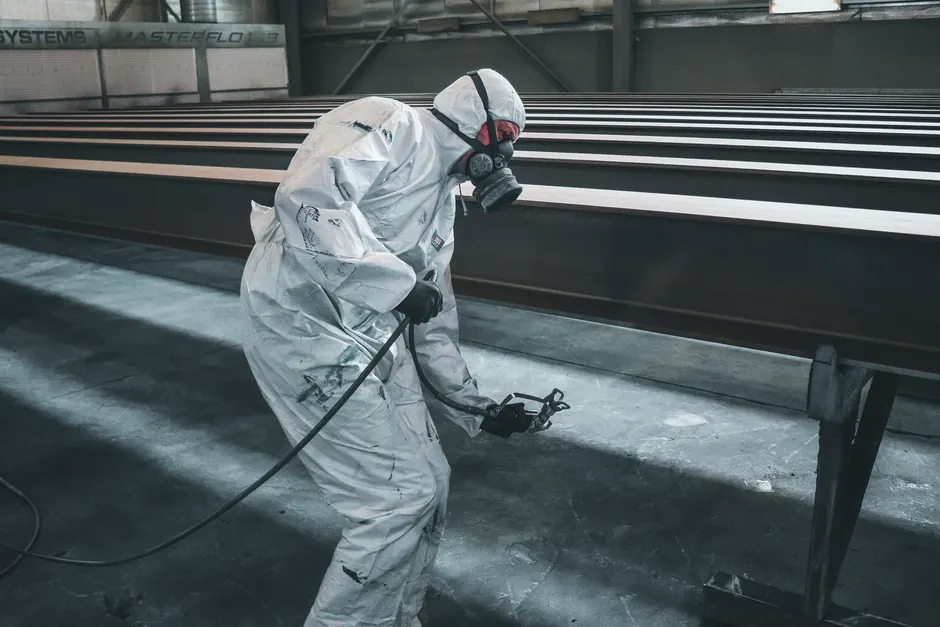
Spray foam removal in Bath Road Gloucestershire is a specialist job, and it is the only thing our team does. We have worked this corridor since 2021, from the Georgian and Victorian terraces around Tivoli and The Suffolks through to the 1930s semis between Sandford and Leckhampton. Most of the foam we pull out was installed between 2005 and 2015 under a government-backed scheme, and it is now causing problems at sale, remortgage or survey stage. We use a dry ice blasting machine and thermal removal tools on the timbers, an industrial vacuum and air scrubber to keep dust out of your house, and a boroscope and moisture meter to check what the foam was hiding. If you need Bath Road spray foam removal because a lender has stalled, we can usually survey within 48 hours and start within the week.

  • Locally licensed and insured in Bath Road
  • Same-day diagnostics and written estimates
  • Real workmanship warranty in writing
  • Background-checked, in-house technicians

Spray foam removal services across Bath Road

Every job we take on along Bath Road starts the same way: a proper look at the roof, the timbers and the ventilation before anyone quotes you. If you have been searching for spray foam removal near me in Bath Road and getting vague answers, that is usually why. We cover the full range below, from a single loft in Tivoli to a warehouse unit off the main arterial road.

Spray Foam Removal near me

Spray Foam Removal near me

If you are searching for spray foam removal near me in Bath Road, we are on this road most weeks. We cover Tivoli, Sandford, Leckhampton and the GL53 7 side, working on terraces, semis and the occasional converted shop. Survey first, fixed price, then removal with dry ice blasting and an industrial vacuum.

View Details
same day Spray Foam Removal

same day Spray Foam Removal

Same day spray foam removal in Bath Road is possible when we have a slot and the loft is accessible. We keep one crew free for urgent cases, usually where a surveyor is due or a mortgage valuation has been booked. Call before 10am and we can often get someone out the same afternoon.

View Details
24/7 Spray Foam Removal

24/7 Spray Foam Removal

24/7 spray foam removal Bath Road Gloucestershire is for the jobs that cannot wait, such as a leak running through foam into a ceiling below or a commercial unit that needs clearing before opening. We answer the phone around the clock and can have a technician on the Bath Road corridor overnight.

View Details
Residential Spray Foam Removal

Residential Spray Foam Removal

Most of our Bath Road work is residential: Victorian terraces in Tivoli, 1930s semis towards Leckhampton, and family homes off Sandford Park. We protect floors and stairwells with sheeting, run the air scrubber throughout, and clear the loft so you can see bare timbers again before we leave.

View Details
Commercial Spray Foam Removal

Commercial Spray Foam Removal

The mixed-use stretch of Bath Road throws up commercial jobs too: shop units with foamed roof voids, small offices, and storage buildings where closed cell foam has trapped moisture against a wall. We work out of hours where needed so trading is not disrupted, and we provide the paperwork your insurer or landlord asks for.

View Details
loft spray foam removal

loft spray foam removal

Loft spray foam removal in Bath Road is our bread and butter. The lofts here are often shallow with tight rafter spacing, which is exactly why the original install trapped moisture. We cut the foam back in sections, check the timbers with a moisture meter, and leave the roof able to breathe again.

View Details
roof spray foam removal

roof spray foam removal

Roof spray foam removal along Bath Road usually means working from inside the loft, but some properties near Leckhampton Hill need scaffolding for roof-level access. We assess that at survey so there are no surprises. Once the foam is out we check the felt, battens and any roof ventilation blockage before signing the job off.

View Details
Attic spray foam removal

Attic spray foam removal

Attic spray foam removal in the older Bath Road properties often turns up foam that has been sprayed straight over old insulation boards and vapour barrier. We strip it all back to the structure, bag it, and remove it from site the same day. You get a clean attic and a clear record of what was found.

View Details
spray foam insulation removal

spray foam insulation removal

Spray foam insulation removal Bath Road Gloucestershire covers both open cell and closed cell products, plus the older polyurethane foam that has gone brittle. We identify what you actually have before quoting, because the removal method and the disposal route differ. That is why our prices hold up once the work starts.

View Details
open cell spray foam removal

open cell spray foam removal

Open cell spray foam is softer and easier to cut back, but it still traps moisture if it was sprayed against a cold roof deck. In Bath Road terraces we find it packed between rafters where there is no ventilation gap. We remove it, dry the timbers, and restore airflow through the roof space.

View Details
closed cell spray foam removal

closed cell spray foam removal

Closed cell spray foam is the harder job. It sets like board, bonds to timber, and often hides rot underneath. Along Bath Road we use thermal removal tools and dry ice blasting to break the bond without gouging the rafters. Every timber gets checked with a moisture meter before we call it done.

View Details
mortgage lender spray foam removal

mortgage lender spray foam removal

Mortgage lender spray foam removal is the most common reason people call us on Bath Road. A valuation flags the foam, the lender withholds funds, and the sale stalls. We provide a clear removal report with before-and-after photos that your lender, surveyor or buyer can accept, usually within a week of starting.

View Details
insulation removal service

insulation removal service

Our insulation removal service in Bath Road covers foam, old mineral wool, contaminated boards and anything else that has to come out before a new system goes in. We handle the bagging, the disposal and the clean-up. You are left with a bare, dry roof space ready for a breathable replacement.

View Details
insulation assessment

insulation assessment

An insulation assessment is the sensible first step if you are not sure what is up there. We use a boroscope and thermal imaging camera to look behind the foam and check for hidden leaks, condensation and timber rot. For Bath Road homeowners this often saves money, because it tells you exactly what needs removing and what can stay.

View Details
dry ice blasting spray foam removal

dry ice blasting spray foam removal

Dry ice blasting spray foam removal is our preferred method on the older Bath Road timbers. The dry ice lifts the foam off the wood without the abrasion of sand blasting, and it leaves no grit or water behind. It is faster on closed cell foam and kinder to rafters that are already 120 years old.

View Details
Cavity wall spray foam removal

Cavity wall spray foam removal

Cavity wall spray foam removal is a different job to loft work and needs its own approach. On Bath Road we see it in post-war semis where foam was injected and has since bridged the cavity. We remove it in sections, check for damp bridging, and make good the wall so it can be insulated properly.

View Details
sand blasting spray foam insulation removal

sand blasting spray foam insulation removal

Sand blasting spray foam insulation removal is still the right call on some masonry and hard surfaces where dry ice will not shift the residue. We use it carefully, with full containment and an air scrubber, so dust does not travel through the rest of the house. It is usually a last stage after the bulk of the foam is gone.

View Details
thermal spray foam removal

thermal spray foam removal

Thermal spray foam removal uses controlled heat to soften the bond between foam and timber, which is useful on the brittle, older polyurethane we find in Bath Road lofts. It lets us lift the foam in sheets rather than scraping it, so the rafter faces stay intact and the roof structure is not weakened.

View Details
environmentally friendly insulation removal

environmentally friendly insulation removal

Environmentally friendly insulation removal matters when you are stripping out foam that should never have been installed. We separate what can be recycled, contain the rest properly, and use dry ice rather than harsh chemicals wherever possible. For Bath Road customers that means less dust, less waste and a cleaner loft.

View Details
Warehouse spray Foam removal

Warehouse spray Foam removal

Warehouse spray foam removal along the Bath Road corridor covers storage units, workshops and light industrial buildings where foam was sprayed onto large roof areas. These jobs need scaffolding, PASMA-trained access and a plan for working around stock. We schedule them out of hours so your operation keeps running.

View Details

Common spray foam problems on Bath Road

Bath Road has a particular set of conditions that make spray foam problems worse than in newer parts of Cheltenham. The housing is older, the lofts are shallower, and a lot of the foam went in during a scheme that did not account for how these roofs actually breathe. Add the damp Gloucestershire climate and you get trapped moisture, timber rot and mortgage refusal on a regular basis. Here is what we see most often.

Trapped moisture in timbers under closed cell foam

Closed cell foam is a vapour barrier. When it is sprayed directly onto a cold roof deck in an older Bath Road property, moisture from inside the house cannot escape and condenses on the timber. Over a few winters that leads to staining and rot.

Mortgage refusal after a survey flags spray foam

Lenders and surveyors treat spray foam as a hidden-defect risk, especially in older housing. On Bath Road, where a lot of properties change hands, this stalls sales regularly and leaves buyers and sellers stuck.

Roof ventilation blocked by foam at the eaves

Foam sprayed right to the eaves blocks the airflow a cold roof needs. Without that gap, condensation builds up on the felt and timbers through the winter, and the roof starts to smell damp even when there is no leak.

Hidden leaks found only once the foam is out

Spray foam seals over whatever is underneath, including small leaks and damp patches. On the older Bath Road terraces, a leak can sit against a rafter for years without showing on the ceiling below until the timber is already damaged.

Signs you need spray foam removal in Bath Road

Most people along Bath Road do not call us because the foam looks wrong. They call because something else has gone wrong: a survey, a mortgage, a damp patch, or a smell in the loft. If any of the signs below sound familiar, it is worth getting the roof space looked at before it becomes a bigger problem. A survey costs nothing and tells you exactly where you stand.

  • Surveyor or lender has flagged the foam

    This is the most common trigger on Bath Road. Lenders treat spray foam as a risk because it can hide timber rot and block roof ventilation. Once it is flagged, the mortgage usually stalls until the foam is removed and documented, so it is worth acting quickly.

  • Damp patches or staining on upper ceilings

    Foam sprayed against a cold roof deck traps moisture, which then finds its way into the timbers and eventually the ceiling below. A brown stain on an upstairs ceiling often points to a problem that started in the loft months earlier.

  • Musty smell in the loft or upstairs rooms

    A persistent musty smell usually means trapped moisture and early timber rot. The longer it sits, the more of the rafter it affects. If you notice it in a Tivoli or Sandford terrace, get it checked before the damage spreads.

  • Condensation on roof timbers or felt

    If you can see water droplets on the felt or the rafters, the roof cannot breathe. Spray foam is usually the cause because it blocks the ventilation gap. Left alone, that condensation will rot the timber and stain the ceilings below.

  • Foam is cracking, crumbling or pulling away

    Older polyurethane foam goes brittle over time and starts to separate from the timber. Once it cracks, it stops insulating properly and can trap debris and moisture against the wood. That is the point where removal is cheaper than repair.

Landmarks we use across Bath Road

Bath Road runs out of Cheltenham towards Leckhampton, and we use the landmarks along it to plan routes and access. Knowing where Sandford Park sits relative to a side street, or how far a property is from Cheltenham College, tells us which way to bring the van in and where we can safely load. It also helps when a customer describes their location by what they can see rather than a postcode.

Sandford Park

Sandford Park sits just off the Bath Road and is a useful marker for the Sandford side streets. If a customer mentions the park, we know we are dealing with the older cottage and post-war housing nearby, which affects how we plan access and waste removal.

Cheltenham College

Cheltenham College is at the town end of the Bath Road corridor and helps us place properties in the GL50 2 side. It is a handy reference point for the period terraces and larger townhouses where loft hatches are often small and ceilings delicate.

Leckhampton Hill

Leckhampton Hill marks the southern end of our Bath Road coverage. Properties on the slopes towards it tend to have larger roofs and sometimes need scaffolding, so the hill tells us at survey stage whether a straightforward loft job is realistic.

Coverage across Bath Road

ZIP coverage on request — call to confirm.

How the seasons affect spray foam removal on Bath Road

Autumn is when our phone gets busiest along Bath Road, because that is when damp patches and musty smells start showing after the summer. But spray foam removal runs all year, and each season brings its own reason to get the roof space checked. Here is what to expect through the year if you live on this corridor.

Spring

Spring is when buyers start viewing Bath Road properties and surveys get booked. Foam that sat unnoticed all winter suddenly becomes a problem when a lender flags it. We also see condensation marks that built up over the colder months.

Tip: If you are planning to sell this year, get the loft surveyed in spring. Removing foam before a buyer's surveyor finds it keeps the sale on track and avoids a price negotiation.

Summer

Summer is the easiest time to work in a loft, and it is when we do most of our planned removals. Warm, dry weather also helps the timbers dry out after the foam is gone, which is useful if there has been any trapped moisture.

Tip: Book a summer removal if you can. Access is simpler, the loft is safer to work in, and the roof dries out faster once the foam is off the timbers.

Fall

Autumn is our busiest season on Bath Road. As the weather turns, damp patches and musty smells appear in upstairs rooms, and homeowners realise the foam is the cause. Emergency calls for leaks running through foam also pick up.

Tip: If you notice a new damp stain or smell in autumn, do not wait for spring. Trapped moisture does the most damage over winter, and getting the foam out before the cold sets in limits it.

Winter

Winter is when trapped moisture causes the most damage. Condensation forms on cold timbers under the foam, and any hidden leak gets worse. We still work through winter, but lofts are colder and access can be slower on frosty mornings.

Tip: If your loft is foamed and you have not had it checked, winter is the time to watch for damp stains and smells. Call us for an assessment rather than waiting for the ceiling to show damage.

Spray foam removal in Bath Road Gloucestershire FAQs

Real answers from our team for the questions we hear most often before a job starts.

How much does spray foam removal cost in Bath Road?
Most Bath Road lofts come in between 1,800 and 4,500 pounds in 2026. Open cell foam on a standard terrace sits at the lower end; closed cell foam bonded to old timbers, or a roof that needs scaffolding, sits higher. Cavity wall foam is quoted separately. We confirm a fixed price after the free survey.
Who is the best spray foam removal company in Bath Road?
The one that surveys before quoting, uses dry ice blasting and thermal removal tools rather than scraping, checks every timber with a moisture meter, and gives you a report your lender will accept. We have worked the Bath Road corridor since 2021 and that is the standard we hold to on every job.
Do you offer 24/7 spray foam removal in Bath Road Gloucestershire?
Yes. We answer the phone around the clock for the Bath Road corridor, including overnight call-outs for leaks running through foam into a ceiling below, or commercial units that need clearing before opening. Standard surveys are booked within 48 hours; emergency work can be same day.
Is same day spray foam removal available in Bath Road?
Often, yes. If you call before 10am and the loft is accessible, we can usually get a crew out the same afternoon. Same day spray foam removal in Bath Road is most common where a surveyor is due or a mortgage valuation has been booked. Call 01242 375143 and we will tell you straight away.
Will removing the foam fix my mortgage problem?
In most Bath Road cases, yes. Lenders want the foam gone and evidence that the timbers are sound. We remove it, check the rafters, and provide a photo report with a written summary. Once that is in your lender's hands, the valuation can usually proceed and the sale moves forward.

Book spray foam removal in Bath Road Gloucestershire

If a surveyor, lender or buyer has flagged the foam in your Bath Road loft, we can survey within 48 hours and give you a fixed price on the spot. We have worked this corridor since 2021, we use dry ice blasting and thermal removal tools on the older timbers, and we leave you with a report your lender will accept. Call 01242 375143 or send us the details and we will get straight back to you.

Get a free survey Send a Message

Contact our Cheltenham team

Call us on 01242375143 or email info@sprayfoamheritagehomes.com and we will arrange a free survey at your Cheltenham property. Our phone line is answered 24/7, and we aim to book surveys within 48 hours across Gloucestershire. If you have photos of the foam, send them over and we can often give you an initial view before we visit.

Or call us right now at 01242375143 — we answer.

Spray Foam Heritage Homes


  • Phone

    01242375143
  • Address

    15-21 Clarence Street, Cheltenham, GL50 3JL, UK, Cheltenham, Gloucestershire

  • Hours

    Mon–Fri: 7AM – 7PM
    Sat: 8AM – 4PM
    Sun: Emergency Only
    24/7 Emergency Available

Call 01242375143 Get Quote
Call Quote